Pros & Cons
Pros
- Compact and lightweight design, weighing approximately 1.25 pounds (570 grams)
- Excellent image quality with minimal distortion after applying lens corrections
- Super fast and quiet autofocus, particularly suitable for video capture
- Versatile focal length range from ultra-wide (10mm) to moderate (20mm)
- Sharp corner to corner performance, making it great for landscapes and general photography
- Built-in image stabilization which aids in handheld shooting
- Compatible with the RF ecosystem, allowing for seamless usage with R series cameras
Cons
- F4 maximum aperture may limit performance in low-light conditions, especially compared to f2.8 alternatives
- Some users report vignetting at the extreme ends of the focal range
- Limited usability unless you're shooting at extreme angles; not a general-purpose lens
- High price point compared to alternatives, especially for amateur photographers
- Lack of third-party lens options for RF mount compared to Sony or Nikon mounts
Verdict
The Canon RF 10-20mm f/4L IS STM lens is praised for its impressive optical performance and versatility, particularly among landscape and architecture photographers. However, its high price and narrower aperture compared to similar zoom lenses make it a consideration primarily for those who require ultra-wide options and are willing to invest in the Canon RF ecosystem.
Specifications
| Focal Length | 10-20mm |
| Max Aperture | f/4 |
| Min Aperture | f/22 |
| Mount | Canon RF |
| OIS | Yes |
| AF Motor | STM |
| Min Focus | 0.25m |
| Weight | 570g |
| Dimensions | 83.7 x 112 mm |
| Weather Sealed | Yes |
| Optical Design | 16 elements in 12 groups |
Frequently Asked Questions
Is the RF 10-20mm f/4L IS STM suitable for astrophotography?
While the lens's extreme width is advantageous for vast sky captures, its f/4 aperture isn't as bright as f/2.8 alternatives, meaning higher ISOs or longer exposures will be necessary. However, sharpness wide open and minimal distortion make it a good choice for nightscapes if you can manage the lower light.
Does this lens accept standard screw-on filters?
No, the design does not support front filter threads due to the large, protruding front element. Instead, it supports rear gelatin filters, but most users will require specialized third-party filter holders for ND and polarizer use.
How does the image stabilization perform for handheld shooting?
The built-in optical stabilization provides up to 5 stops of compensation, especially helpful for handheld video and low-light stills. When paired with IBIS-equipped R bodies, stabilization is further improved, making handheld shots at slower shutter speeds feasible.
How does it compare to the RF 15-35mm f/2.8L or RF 14-35mm f/4L?
The 10-20mm trades versatility and low-light capability for a far wider field of view. If you mostly shoot interiors, landscapes, or want creative perspectives, it's unmatched. For a more generalist wide-angle zoom with better low-light performance, the 15-35mm f/2.8L or 14-35mm f/4L may be better options.
Is this lens compatible with APS-C RF mount cameras?
Yes, it will fit and autofocus correctly on APS-C RF cameras, but the effective field of view will be equivalent to 16-32mm due to the crop factor, so you lose the extreme wide perspective.
Does the autofocus motor support smooth video work?
Yes, the STM motor is designed for smooth, nearly silent focus transitions, making it excellent for video. Focus breathing is also minimal, further enhancing video usability.
Compatible Cameras
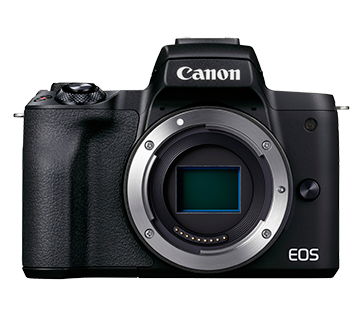
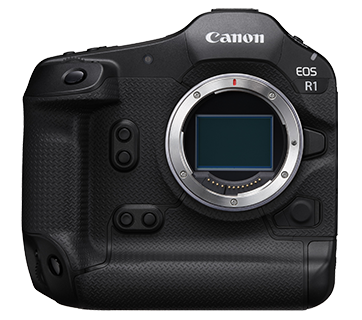
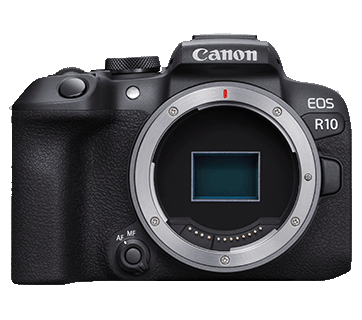
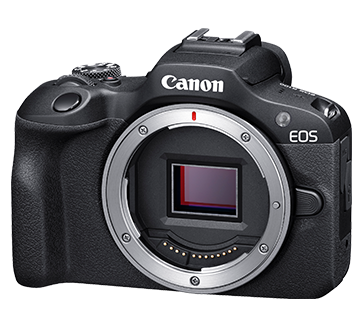
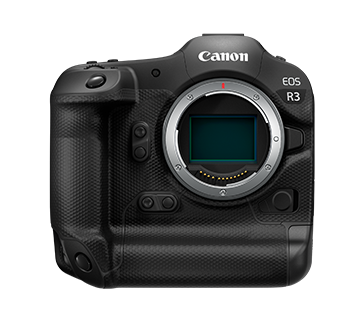
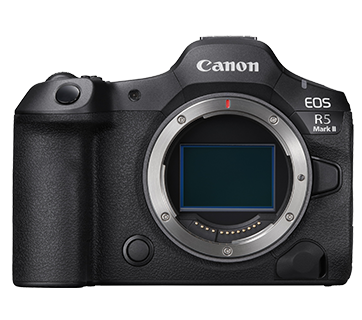
Camera bodies that work with this lens
Related Lenses
Other lenses you might want to consider