Pros & Cons
Pros
- Lightweight and compact design, making it easy to carry for extended periods.
- Good image quality for the price, performing well at various focal lengths.
- Fast and reliable autofocus system, particularly effective for tracking moving subjects.
- Effective image stabilization that helps achieve sharp images at slower shutter speeds.
- Great value as a budget-friendly super telephoto lens.
- Good low-light performance when paired with modern Canon bodies, allowing decent shots at higher ISOs.
- Versatile enough for a range of photography styles, including wildlife, landscapes, and sports.
Cons
- Maximum aperture of f/8 at the long end can be limiting in low-light conditions.
- Not as sharp as higher-end lenses, particularly when fully zoomed to 400mm.
- Sluggish zoom ring compared to other lenses, affecting quick adjustments.
- Some users report that it struggles with focusing in tricky lighting conditions.
- Limited range compared to some competitors, like the Sigma 150-600mm lenses.
Verdict
Overall, the Canon RF 100-400mm f/5.6-8 IS USM lens is recognized as a solid choice for photographers looking for a lightweight and affordable option that delivers good performance across various photography scenarios. While it may not match the sharpness of more expensive L-series lenses, its compactness and versatility make it an excellent investment for both amateur and enthusiast photographers.
Specifications
| Focal Length | 100-400mm |
| Max Aperture | f/5.6 |
| Min Aperture | f/32 |
| Mount | RF |
| OIS | Yes |
| AF Motor | USM |
| Filter Size | 67mm |
| Min Focus | 0.88m |
| Weight | 635g |
| Dimensions | 79.5 x 164.7 mm |
| Weather Sealed | No |
Frequently Asked Questions
Is the Canon RF 100-400mm f/5.6-8 IS USM compatible with Canon's RF extenders?
No, the RF 100-400mm f/5.6-8 IS USM is not compatible with Canon's RF 1.4x or 2x teleconverters. Only certain RF lenses, such as the RF 100-500L and several RF primes, support extenders.
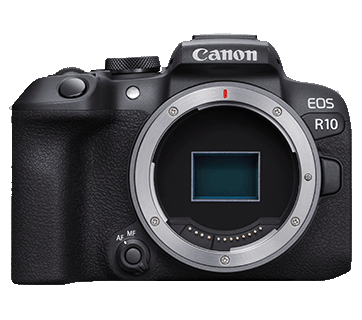
How does this lens perform on Canon APS-C RF bodies like the EOS R7 or R10?
On APS-C cameras, the lens provides an equivalent field of view of roughly 160-640mm, making it exceptionally effective for wildlife, birding, and distant sports. Focusing and image stabilization remain excellent, and the lens balances well on smaller camera bodies.
Is the image stabilization effective on this lens?
Yes, the built-in Optical Image Stabilization offers up to 5.5 stops of compensation (up to 6 stops when paired with IBIS-equipped bodies), making handheld shots possible even at the telephoto end, provided there's sufficient light.
How does the Canon RF 100-400mm f/5.6-8 compare to the RF 100-500mm f/4.5-7.1L IS USM?
The RF 100-500L offers superior sharpness, weather sealing, a brighter aperture, more robust build, and 100mm more reach, but at much greater size, weight, and expense. The 100-400mm is for users prioritizing portability and price over ultimate performance.
Does the narrow maximum aperture limit real-world use?
In bright conditions, the f/8 maximum aperture at 400mm is manageable thanks to modern high-ISO sensors and image stabilization; however, limitations arise in low-light, indoor, or dusk scenarios, and depth-of-field control is less dramatic than with faster lenses.
Is the lens weather sealed?
No, the RF 100-400mm f/5.6-8 IS USM offers minimal sealing at the mount but lacks comprehensive weather protection. It's best used in fair conditions or with care in adverse environments.
Compatible Cameras
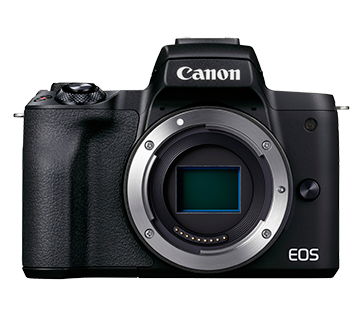
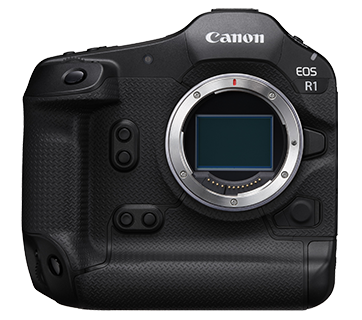
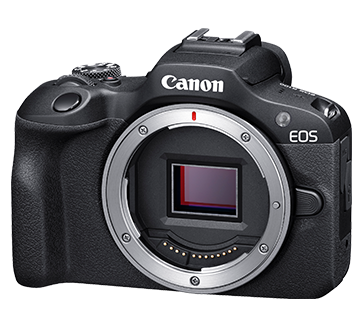
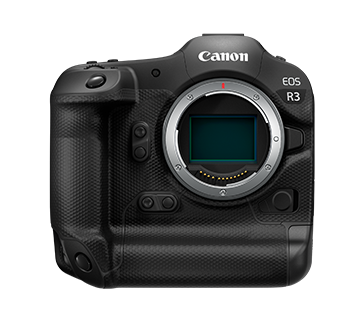
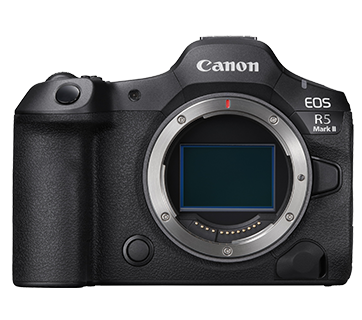
Camera bodies that work with this lens
Related Lenses
Other lenses you might want to consider