Pros & Cons
Pros
- Lightweight at 7.4 lbs compared to previous models, making it easier to handle.
- Excellent optical performance, particularly sharpness and contrast.
- Built-in 2x teleconverter functionality improves versatility with minimal loss of quality.
- Compatible with modern mirrorless technology, allowing for high ISO performance with modern bodies.
- Very good for wildlife and sports photographers looking for extreme focal lengths.
Cons
- Heat shimmer and atmospheric distortion can seriously affect image quality at such long focal lengths.
- The fixed f/8 aperture limits low-light performance and requires higher ISO settings.
- High price point, making it inaccessible for most amateur photographers.
- Focusing distance issues may occur, especially with distant subjects.
Verdict
The Canon RF 1200mm f/8L IS USM lens is praised for its lightweight design and impressive optical performance, making it a great option for wildlife and sports photography. However, its high price and challenges associated with heat shimmer and low-light performance limit its accessibility and practicality for many users.
Specifications
| Focal Length | 1200 |
| Max Aperture | f/8 |
| Mount | RF |
| OIS | Yes |
| AF Motor | USM |
| Filter Size | 52mm |
| Weight | 3611g |
| Dimensions | 168 x 537 mm |
Frequently Asked Questions
How does atmospheric distortion (heat shimmer) affect shots taken with the RF 1200mm f/8L IS USM?
Atmospheric distortion-primarily heat shimmer and air turbulence-can soften or distort images at very long distances, regardless of lens quality. This effect is unavoidable at 1200mm and is often the limiting factor in image sharpness, especially on hot days or when shooting over long stretches of uneven ground. The lens cannot correct for this physically, so users should plan to shoot during cooler parts of the day and minimize ground heat sources when possible.
Is the fixed f/8 aperture a major drawback for wildlife or sports photography?
The f/8 aperture limits light transmission compared to faster supertelephoto lenses (like f/4), meaning you'll need higher ISO settings or slower shutter speeds in low-light scenarios. This isn't typically a problem in bright daylight, but it can affect dusk or overcast shoots. Many RF bodies handle high ISO noise well, partially offsetting this limitation.
Can the RF 1200mm f/8L IS USM be used handheld?
While remarkably lightweight for its class, the lens is still over 7 lbs and over 50 cm long, so handheld use is possible for short periods (such as tracking birds in flight) thanks to effective IS, but it's not comfortable for extended sessions. Most users will prefer a sturdy tripod or monopod for stability and fatigue reduction.
Does this lens work with RF teleconverters?
Yes, the lens is compatible with Canon's RF 1.4x and 2x teleconverters, allowing you to achieve even longer effective focal lengths-though image quality and autofocus speed are further impacted, especially given the already modest f/8 baseline.
How does this lens compare to using a 600mm f/4 with teleconverters?
A 600mm f/4 with a 2x teleconverter delivers 1200mm at f/8, similar to this lens, and offers much more versatility due to the faster aperture when not using converters. However, native 1200mm lenses typically offer better optical correction and focus breathing control at the edge of their design parameters but come with higher cost, greater size, and less flexibility. For most, the 600mm f/4 approach may be more practical.
Is this lens suitable for amateur or hobbyist photographers?
Given its steep price, extreme focal length, and specific shooting challenges, the RF 1200mm f/8L IS USM is generally not recommended for amateurs or hobbyists. It is primarily aimed at professionals and institutions with a clear need for this level of reach and image quality.
Compatible Cameras
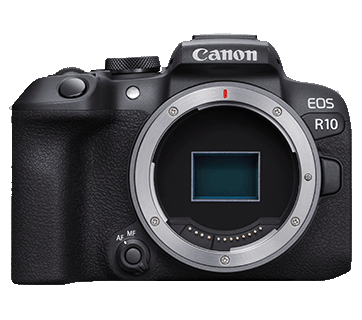
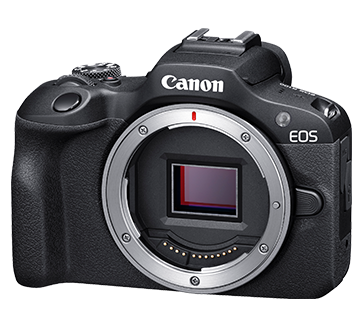
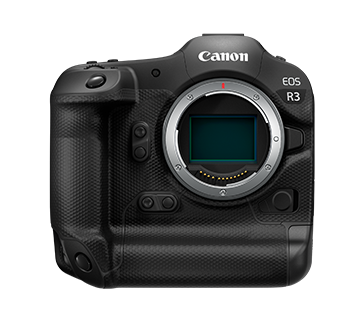
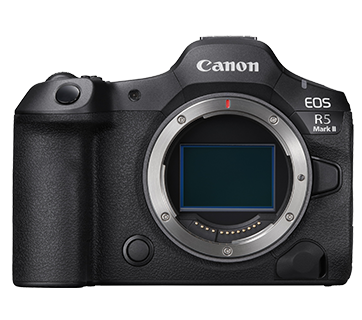
Camera bodies that work with this lens
Related Lenses
Other lenses you might want to consider