Pros & Cons
Pros
- Lightweight and compact design compared to other ultra-wide options
- Excellent image quality, particularly when stopped down to f/5.6
- Versatile focal range of 14-35mm, suitable for various photography styles including landscapes and architecture
- Effective image stabilization (IS) which aids in handheld shooting
- Ability to focus very close for semi-macro shots, enhancing creative possibilities
- High-quality build with weather sealing, making it suitable for challenging conditions
- Generous zoom range allows for capturing a wide variety of scenes without constant lens changes
Cons
- Soft corners at f/4, particularly noticeable at the 35mm end in clinical tests
- Heavier than some other options in the same class, which can be cumbersome for extended use
- Heavily relies on software correction for distortion and vignetting, which might not appeal to all users
- Price point may be considered high relative to other lenses with similar capabilities
- Not optimized for low light compared to faster f/2.8 options
Verdict
Overall, the Canon RF 14-35mm f/4L IS USM is well-received among users for its versatility, sharpness, and lightweight design, making it a great option for landscapes and general photography. However, some users note concerns about softness at the corners and the reliance on software correction, especially in low-light situations.
Specifications
| Focal Length | 14-35mm |
| Max Aperture | f/4 |
| Min Aperture | f/22 |
| Mount | RF Mount |
| OIS | Yes |
| AF Motor | Nano USM |
| Min Focus | 0.2m |
| Dimensions | 83 x 106.6 mm |
| Weather Sealed | Yes |
| Optical Design | 16 elements in 12 groups |
Frequently Asked Questions
How does the RF 14-35mm f/4L IS USM compare to the RF 15-35mm f/2.8L IS USM?
The 14-35mm f/4L is smaller, lighter, and generally less expensive than the 15-35mm f/2.8L. The 15-35mm f/2.8L offers a brighter aperture for better low-light and subject isolation, but the 14-35mm f/4L goes wider to 14mm and is much more travel-friendly. Image quality is comparable in the center, with the f/2.8 outpacing it in corners and at wider apertures.
Can this lens be used effectively for astrophotography?
While the 14mm wide end is attractive for astro, the f/4 maximum aperture is limiting compared to f/2.8 or faster lenses. It is best used in locations with very dark skies, and it benefits from being stopped down for sharp stars at the corners. Dedicated astro shooters will do better with faster primes, but it can work in a pinch.
Is image stabilization effective for handheld shooting?
Yes, the built-in IS provides up to 5.5 stops of stabilization (up to 7 with compatible IBIS bodies), allowing confident handheld shots at slower shutter speeds. It's a big help for low-light handheld photography, video work, or when a tripod isn't practical.
Does the lens take standard screw-in filters?
Yes, the RF 14-35mm f/4L accepts common 77mm screw-in filters throughout the zoom range, making it compatible with popular filters (ND, polarizer, etc.) without requiring oversized filter systems.
How does the close-focusing performance compare to other wide zooms?
The 0.2m minimum focusing distance is excellent for an ultra-wide, allowing near-macro shots and creative perspectives. This surpasses many competitors, making the lens extra handy for dramatic close-ups or foreground-emphasized landscapes.
Is the lens suitable for video work?
Yes, the Nano USM motor is fast and silent, image stabilization is effective, and minimal focus breathing makes it a solid choice for video shooters, especially for vlogging, interiors, or travel films.
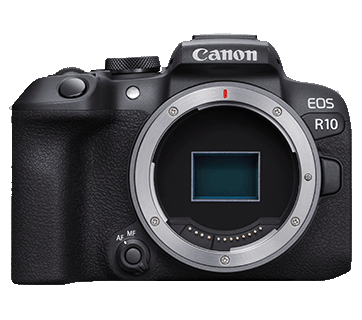
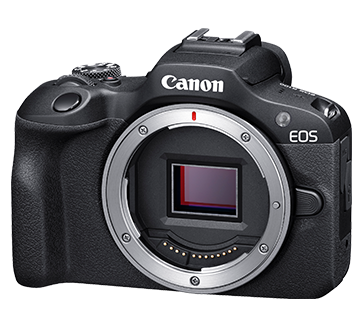
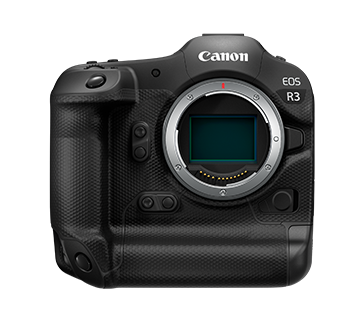
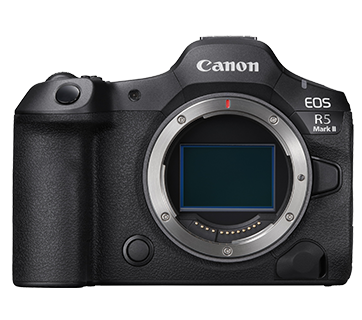
Compatible Cameras
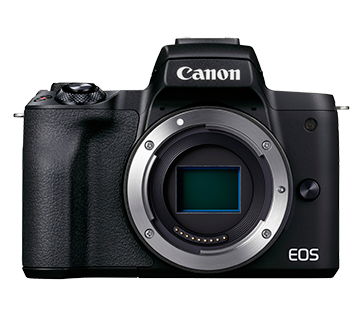
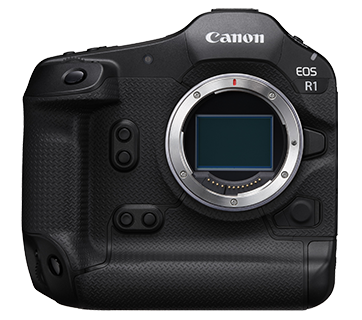
Camera bodies that work with this lens
Related Lenses
Other lenses you might want to consider