Pros & Cons
Pros
- Lightweight and compact, making it ideal for travel and hiking.
- Good sharpness at the center throughout the zoom range, especially at 15mm.
- Affordable price point for a wide-angle lens.
- Close focusing capability allows for interesting compositions.
- Decent performance for video, especially for vlogging and casual use.
Cons
- Significant vignetting at 15mm, which may require correction in post-processing.
- Softness in the corners, especially noticeable when shooting wide open.
- Variable aperture (f/4.5-6.3) can limit performance in low light conditions.
- Some users report poor autofocus performance in low light, causing missed shots.
Verdict
The Canon RF 15-30mm f/4.5-6.3 IS STM offers a good balance of portability, decent image quality, and affordability, making it suitable for casual photography and videography. However, vignetting and corner softness at wider focal lengths could be drawbacks for more discerning photographers.
Specifications
| Focal Length | 15-30mm |
| Max Aperture | f/4.5 |
| Min Aperture | f/32 |
| Mount | RF-Mount |
| OIS | Yes |
| Min Focus | 0.13m |
| Weight | 390g |
| Dimensions | 76.6 x 88.4 mm |
| Optical Design | 13 elements in 11 groups |
| Price | $500 |
Frequently Asked Questions
How much vignetting does the RF 15-30mm f/4.5-6.3 IS STM exhibit, and can it be corrected?
Vignetting is strong at the 15mm end, with noticeable darkening in image corners, especially at wider apertures. It decreases as you zoom in and becomes minimal above 24mm. In-camera JPEGs are corrected automatically, while RAW shooters can easily fix vignetting using software like Lightroom or Canon's Digital Photo Professional.
Is the lens weather-sealed against dust and moisture?
No, the RF 15-30mm f/4.5-6.3 IS STM does not have any form of weather sealing. While the build is solid for the price, it is not recommended for use in heavy rain or dusty conditions without additional protection.
Can this lens be used for astrophotography?
While its ultra-wide focal length is ideal for capturing expansive skies, the lens's slow maximum aperture (f/4.5-6.3) limits its light-gathering ability, making it less suitable for astrophotography compared to faster f/2.8 lenses. Some coma and vignetting at wide angles are also considerations.
How effective is the image stabilization (IS)?
The built-in optical image stabilization provides up to 5.5 stops of shake compensation (up to 7 stops combined with IBIS on compatible bodies), enabling sharp handheld shots even at slower shutter speeds. This is especially beneficial for video and low-light stills at reduced ISO.
Will the RF 15-30mm work on Canon APS-C RF cameras?
Yes, it is fully compatible with Canon's APS-C RF bodies (like the R7 or R10), but the effective focal length becomes approximately 24-48mm due to the crop factor, making it less ultra-wide but still very useful for wide-to-standard shooting.
How does the autofocus perform in low light or for moving subjects?
Autofocus is quick and nearly silent in bright conditions, but in low light-especially at the 30mm end-the slower aperture reduces AF reliability, leading to occasional hunting or missed focus. For fast action or dim events, a faster lens is preferable.
Compatible Cameras
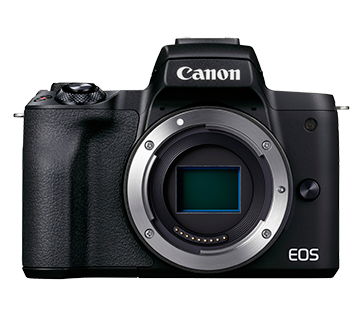
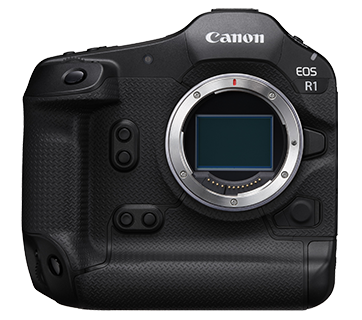
Camera bodies that work with this lens
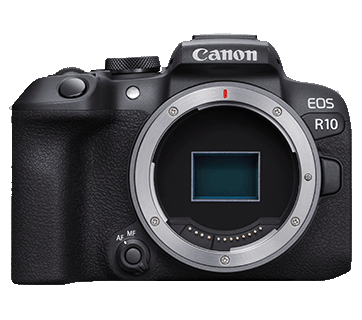
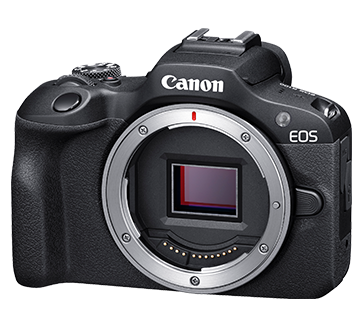
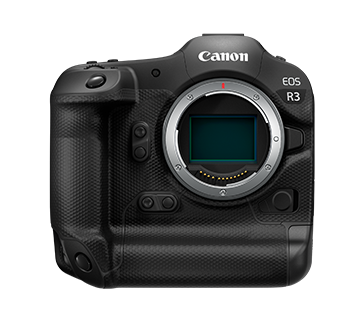
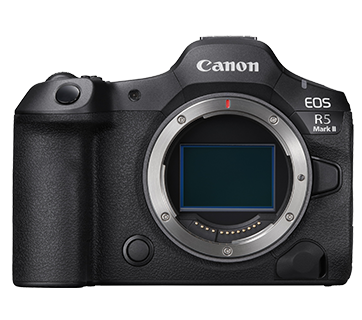
Related Lenses
Other lenses you might want to consider