Pros & Cons
Pros
- This lens is lightweight and compact, making it ideal for travel and street photography.
- Great image quality, often noted as being sharp across various focal lengths.
- Fast aperture of f/2.8 is beneficial for low-light situations.
- Good edge-to-edge sharpness, especially at 16mm.
- Weather-sealed design is appreciated for outdoor shooting conditions.
Cons
- The corners may exhibit distortion and coma, especially when shooting astrophotography.
- Lacks USM autofocus, which may be slower compared to L-series lenses.
- The limited focal range of 16-28mm may not be suitable as a single solution for all shooting styles.
- Some users report that it is not as good as the 16mm prime for astrophotography.
Verdict
Overall, the community expresses a positive sentiment towards the Canon RF 16-28mm f/2.8 IS STM. It is praised for its lightweight design and sharp images, making it a great choice for travel and outdoor photography. However, some concerns regarding corner performance exist, particularly for a specialized use like astrophotography, leading some users to prefer alternatives.
Specifications
| Focal Length | 16-28mm |
| Max Aperture | f/2.8 |
| Mount | Canon RF |
| OIS | Yes |
| AF Motor | STM |
| Weight | 445g |
| Dimensions | 76.5 x 91 mm |
| Diaphragm Blades | 9 |
Frequently Asked Questions
Is the Canon RF 16-28mm f/2.8 IS STM good for astrophotography?
It's usable for astrophotography thanks to its fast f/2.8 aperture and wide focal length, but corner sharpness and coma are not as well-controlled as in the RF 16mm f/2.8 prime. For critical night sky or star field shots, the 16mm prime or a high-end L-series lens may yield better results.
Does the lens support full weather sealing?
The RF 16-28mm f/2.8 IS STM offers a degree of weather resistance, including gasketing at the mount and some sealing at joints, but it is not as comprehensively sealed as Canon's L-series glass. It's suitable for outdoor use in light dust and moisture, but not for heavy rain or extreme conditions.
How fast and accurate is the autofocus?
The STM motor delivers quick, quiet, and accurate autofocus, especially in good lighting. However, it's marginally slower and less responsive than Canon's professional USM motors, making it less ideal for fast-action or intense subject tracking scenarios.
What filter size does it use?
It uses the very common 67mm filter thread, allowing easy use of standard filters like polarizers and NDs without adapting specialty sizes.
How does this lens compare to L-series alternatives?
The RF 16-28mm f/2.8 IS STM is much lighter, more compact, and more affordable than Canon's RF 15-35mm f/2.8L IS USM. It trades some ultimate corner sharpness, build, and AF speed for portability and value, making it better suited for travel and everyday use but less optimal for heavy-duty professional demands.
Is the optical stabilization effective?
Yes, the optical image stabilization is rated up to five stops, which helps significantly with handholding at low shutter speeds and complements bodies without in-body IS.
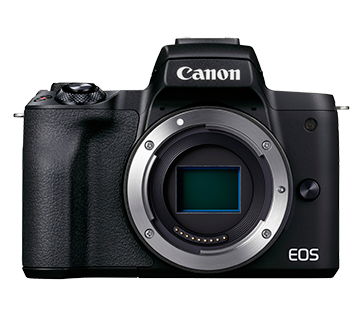
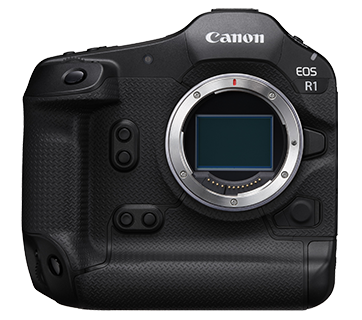
Compatible Cameras
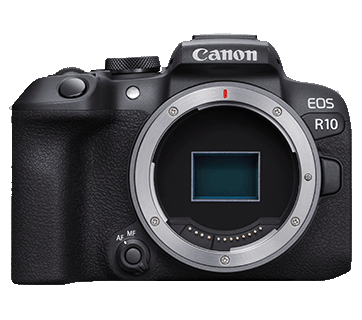
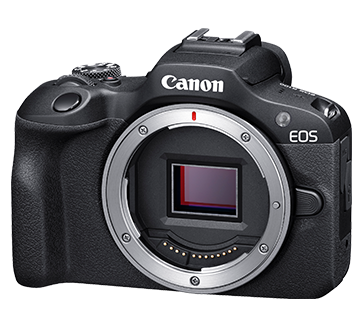
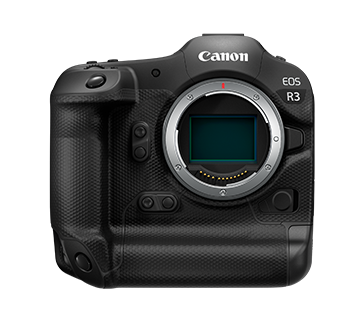
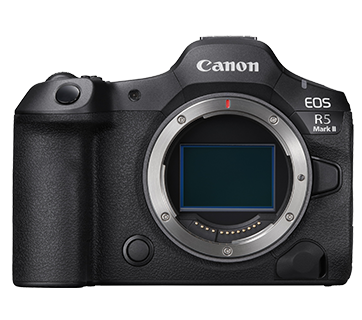
Camera bodies that work with this lens
Related Lenses
Other lenses you might want to consider