Pros & Cons
Pros
- Incredible reach at 800mm for wildlife photography, allowing capturing distant subjects.
- Good image stabilization performance, with users reporting sharp images even at slow shutter speeds.
- Relatively affordable for a long lens, providing high value compared to similar offerings.
- Lightweight for its size, making it manageable for extended periods of use.
- Versatile zoom range, allowing for flexibility in framing shots without needing to switch lenses.
- Works well with modern autofocus systems, benefiting from improved autofocus technology in newer camera bodies.
Cons
- Aperture performance is limited to f/9 at 800mm, which can struggle in low light conditions.
- No significant improvement in image quality compared to other available lenses in the same range.
- Autofocus issues reported in low light or busy scenes, with some users experiencing front-focusing problems.
- Build quality concerns, with reports of the lens breaking in half during use.
- Some users find it cumbersome to carry due to its size, which can diminish portability during hikes.
Verdict
Overall, the Canon RF 200-800mm f/6.3-9 IS USM is well-received for its impressive reach and good image stabilization at a competitive price point. However, it faces criticism regarding its maximum aperture and potential autofocus issues in challenging lighting, leading some to prefer other options like the RF 100-500mm for better low-light performance and image quality.
Specifications
| Focal Length | 200-800mm |
| Max Aperture | f/6.3 |
| Min Aperture | f/54 |
| Mount | Canon RF |
| OIS | Yes |
| AF Motor | USM |
| Filter Size | 95mm |
| Min Focus | 2.62m |
Frequently Asked Questions
Is the Canon RF 200-800mm f/6.3-9 IS USM compatible with Canon RF teleconverters?
No, this lens is not compatible with Canon RF 1.4x or 2x teleconverters. The optical design and maximum aperture limitations prevent successful pairing with these extenders.
Can the lens be used effectively handheld at 800mm?
Yes. Thanks to the built-in image stabilization, many photographers report sharp hand-held shots at 800mm under good lighting. However, using a monopod or gimbal is recommended for extended shooting sessions to avoid fatigue and increase sharpness consistency.
How does the image quality compare to the Canon RF 100-500mm f/4.5-7.1L IS USM?
The RF 100-500mm delivers better sharpness, microcontrast, and overall resolving power, particularly in the corners and at longer focal lengths. The 200-800mm trades some optical performance for reach and value, so make your choice based on your needs.
Does the lens have weather sealing?
There is basic weather resistance built in, including rubber gaskets at the mount and some internal sealing. However, it is not as fully sealed as Canon L-series lenses, so extra precaution should be taken in harsh environments.
Is autofocus reliable for birds in flight?
In good light and with modern Canon R-series bodies, autofocus is generally fast and accurate enough for birds in flight. However, in low light or complex backgrounds, you may notice missed or inconsistent focus.
What filter size does the lens accept?
The lens accepts 95mm screw-in filters, which are available but typically more expensive and less common than smaller filter sizes.
Compatible Cameras
Camera bodies that work with this lens
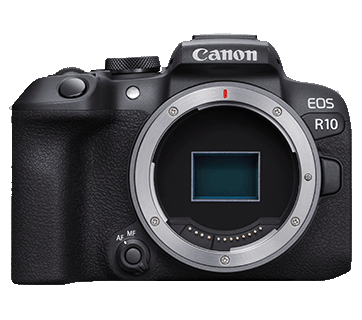
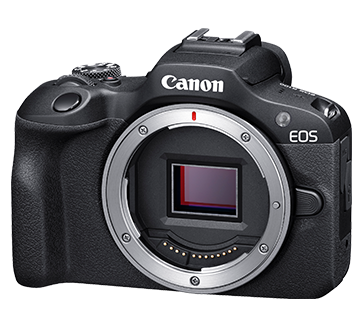
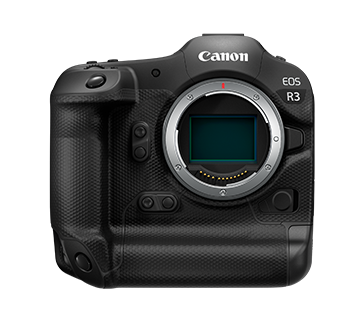
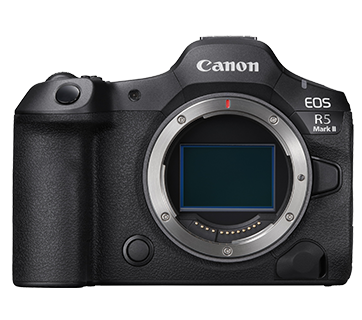
Related Lenses
Other lenses you might want to consider