Pros & Cons
Pros
- Versatile focal range from 24mm to 105mm makes it suitable for various photography styles including landscape, portrait, and everyday use.
- Lightweight and compact compared to other similar zoom lenses, making it a great travel companion.
- Good build quality and weather sealing, enhancing durability in challenging shooting conditions.
- Image stabilization (IS) provides better handheld shooting capabilities, especially in low-light conditions.
- Sharpness is generally good, particularly at mid-range apertures, which is appreciated for everyday and casual photography.
Cons
- Maximum aperture of f/4 limits its low-light performance, requiring higher ISO settings which may introduce noise.
- Some users report corner softness at wider apertures, especially at 24mm, reducing overall image quality in certain situations.
- Lack of the 'wow' factor in image quality compared to faster lenses, leading some photographers to feel underwhelmed.
- Focal length is not ideal for wildlife or fast action photography, particularly on full-frame where the 105mm may feel short.
Verdict
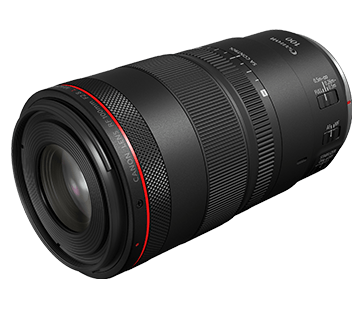
The Canon RF 24-105mm f/4L IS USM lens is widely regarded as a solid all-rounder with good versatility and pleasing image quality for various photography needs. However, its slower aperture and some optical limitations at the wide end leave room for improvement, especially in low-light situations and when shooting fast-moving subjects.
Specifications
| Focal Length | 24-105mm |
| Max Aperture | f/4 |
| Mount | RF |
| OIS | Yes |
| AF Motor | Nano USM |
| Filter Size | 77mm |
| Min Focus | 0.45m |
| Weight | 695g |
| Weather Sealed | Yes |
| Optical Design | 18 elements in 14 groups |
| Diaphragm Blades | 9 |
| Price | $1099 |
| Released | 2018 |
Frequently Asked Questions
Is the Canon RF 24-105mm f/4L IS USM sharp enough for high-resolution sensors like the EOS R5 or R6?
Yes, the lens delivers ample sharpness for high-resolution bodies, especially in the center. Stopping down to f/5.6-f/8 improves edge performance, making it suitable for most prints and professional uses, although absolute edge sharpness is outperformed by some primes and faster zooms.
How effective is the image stabilization in real-world use?
The built-in optical stabilization provides up to 5 stops of shake correction, allowing handheld shooting at slower shutter speeds. In practice, shooters can achieve sharp images at shutter speeds down to 1/8s at the wide end, making handheld low-light and video work much easier.
Can this lens replace a set of primes for travel or everyday shooting?
For most general purposes, yes-its focal range covers the vast majority of everyday scenes. However, if you require extremely shallow depth of field or superior low-light capability, adding a fast prime or two is beneficial.
Is the lens suitable for video use?
Absolutely. The Nano USM motor ensures silent, smooth, and confident autofocus transitions, with minimal focus breathing and effective stabilization. Combined with its balanced weight, this makes it a strong choice for run-and-gun video shooters.
How does the Canon RF 24-105mm f/4L IS USM compare to the RF 24-70mm f/2.8L IS USM?
The RF 24-70mm f/2.8L IS USM offers a faster aperture and slightly superior image quality, especially at the edges, but is heavier, more expensive, and lacks the extra reach of 105mm. The 24-105mm f/4L prioritizes versatility, portability, and price, making it more appealing as an all-purpose or travel zoom.
Does the lens work well in low-light situations?
The maximum aperture of f/4 does limit its low-light capabilities compared to f/2.8 or faster lenses, requiring higher ISO settings. The IS helps compensate to some degree for stills, but if you routinely shoot in very dim environments, you may want to consider a faster prime or zoom.
Compatible Cameras
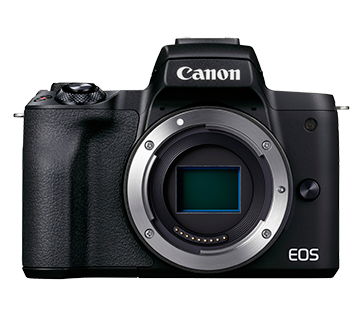
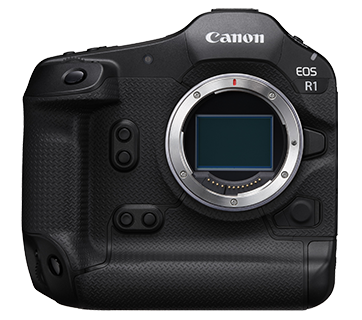
Camera bodies that work with this lens
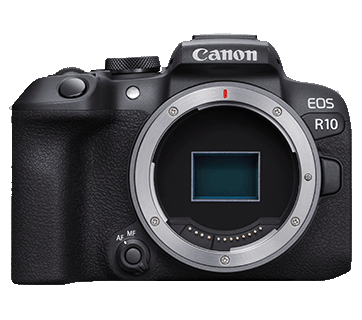
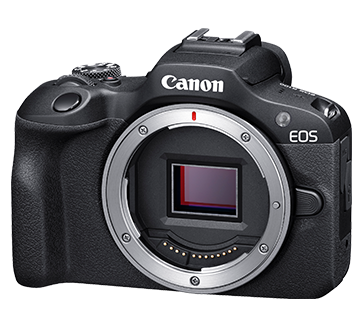
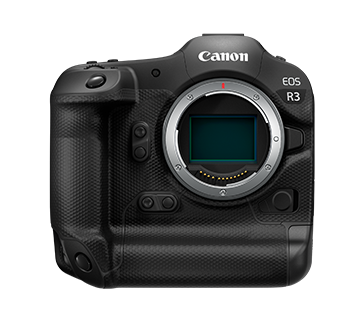
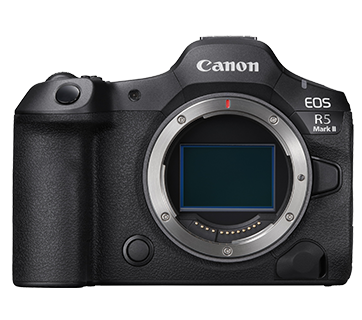
Related Lenses
Other lenses you might want to consider