Pros & Cons
Pros
- Lightweight and compact design, making it easy to carry around (270g weight)
- Excellent low-light performance due to f/1.8 aperture
- Built-in image stabilization (IS) helpful for handheld shooting
- Effective for macro photography with a minimum focus distance of 14cm and 0.5x magnification
- Good sharpness and contrast, especially when stopped down to f/2.8
- Versatile for multiple shooting scenarios such as street photography, landscapes, and night photography
Cons
- Autofocus can be slower compared to higher-end USM lenses, potentially affecting fast-paced shooting
- Some users report strong coma at the corners when used wide open for astrophotography
- Relies more on lens corrections, with some users feeling it might distort the images more than expected
- Not a true macro lens since it achieves only 0.5x magnification, which may disappoint some macro photographers
Verdict
The community largely views the Canon RF 24mm f/1.8 MACRO IS STM as an excellent choice for photographers seeking a lightweight, versatile lens that performs well across various situations. Though there are minor drawbacks like slower autofocus and some optical distortions, its strengths in low-light performance and macro capabilities make it a compelling option for many users.
Specifications
| Focal Length | 24mm |
| Max Aperture | f/1.8 |
| Min Aperture | f/22 |
| Mount | RF Mount |
| OIS | Yes |
| Filter Size | 52mm |
| Weight | 270g |
| Dimensions | 74.4 x 63.1 mm |
Frequently Asked Questions
Is the Canon RF 24mm f/1.8 MACRO IS STM suitable for astrophotography?
While the fast f/1.8 aperture is excellent for gathering night sky light, the lens exhibits notable coma and corner softness at f/1.8, which can affect pinpoint star rendering. Stopping down to f/2.8 improves performance, but dedicated astrophotographers may prefer wider-angle or higher-end options for critical work.
Does the lens offer true 1:1 macro (lifesize) magnification?
No, the RF 24mm f/1.8 achieves a maximum magnification of 0.5x, or half-lifesize. This is sufficient for close-up detail and creative macro-style shots, but falls short of the 1:1 standard pro macro lenses deliver.
How effective is the optical image stabilization (IS)?
The built-in IS provides up to five stops of compensation (coordinated with in-body IS on newer RF cameras), making it possible to shoot handheld at slower shutter speeds for stills and smoother handheld video with less shake.
Is the lens weather sealed?
No, the RF 24mm f/1.8 MACRO IS STM does not feature weather sealing or a gasket at the mount. While it's durable for regular use, extra caution should be taken in dusty or rainy conditions.
What filters does the lens accept?
It uses 52mm screw-in filters, making filters affordable and widely available, especially compared to larger L-series primes.
How does this lens compare to the RF 35mm f/1.8 MACRO IS STM?
Both lenses share similar design, stabilization, and close-focus capability, with the 35mm offering slightly stronger macro (0.5x+) and a mildly longer, more 'normal' perspective. The 24mm is better for broader landscapes and tighter interiors, while the 35mm is stronger for general purpose or environmental portraiture.
Compatible Cameras
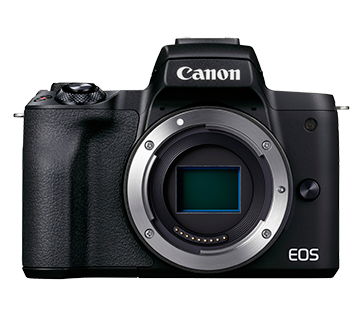
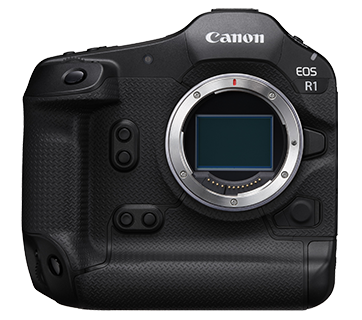
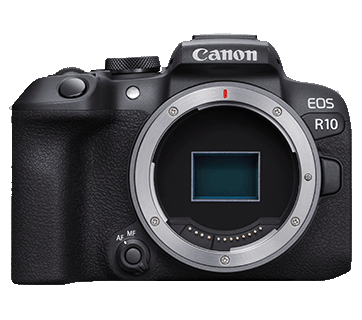
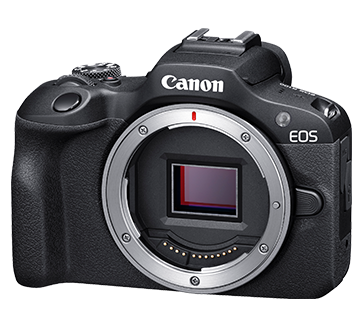
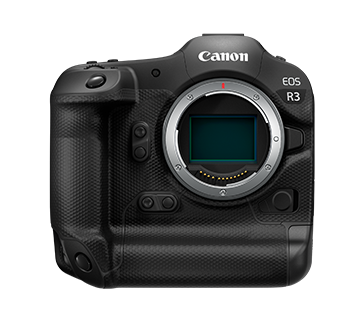
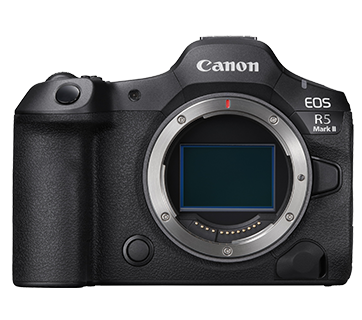
Camera bodies that work with this lens
Related Lenses
Other lenses you might want to consider