Pros & Cons
Pros
- Exceptional image quality with sharpness even at f/2, comparable to many prime lenses.
- Great low-light performance, allowing for shooting in challenging lighting conditions due to the f/2 aperture.
- Versatile focal range (28-70mm) suitable for various photography styles including events and portraits.
- Good autofocus speed with excellent tracking capabilities, particularly suited for fast-moving subjects.
- Build quality is robust, signifying durability for professional use.
- Effective optical performance, with minimal distortion and good color rendition.
- Can render beautiful bokeh, allowing for aesthetically pleasing separations between subject and background.
Cons
- Heavy and bulky design, making it less portable for extended shooting sessions.
- Lacks built-in image stabilization (IS), which may be a disadvantage in certain shooting conditions.
- Focal length range starts at 28mm, which some users find limiting for wider shots, especially in indoor events.
- Some users reported focus breathing, affecting the usability in video work.
- Higher price point compared to alternatives, which may be prohibitive for some photographers.
- The front element diameter (95mm) makes using filters expensive and cumbersome.
- Limited third-party lens support in Canon's RF ecosystem, making lens upgrades costly.
Verdict
Overall, the Canon RF 28-70mm f/2L USM is highly regarded for its image quality, versatility, and performance in low-light situations, making it particularly appealing for event and portrait photographers. However, its considerable weight and cost alongside the lack of stabilization make it a less feasible option for casual shooters or those on a budget.
Specifications
| Focal Length | 28-70mm |
| Max Aperture | f/2 |
| Min Aperture | f/22 |
| Mount | RF |
| AF Motor | Ring-Type Ultrasonic Motor |
| Weight | 1475g |
| Dimensions | 103.8 x 139.8 mm |
Frequently Asked Questions
Is the Canon RF 28-70mm f/2L USM compatible with all Canon mirrorless cameras?
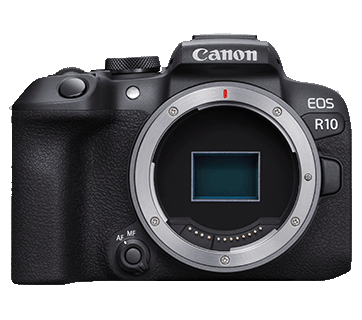
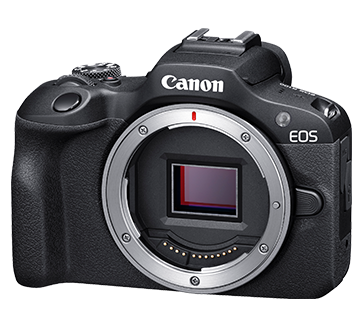
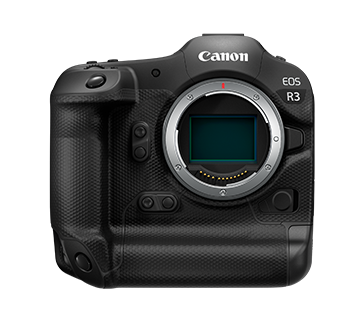
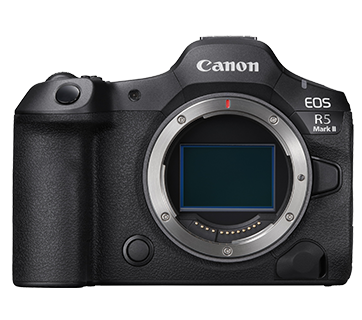
The lens is designed specifically for Canon's full-frame mirrorless RF-mount bodies, such as the EOS R, R5, R6, and R3 series. It is not compatible with Canon EF or EF-S-mount DSLRs, nor with RF-S crop-sensor mirrorless bodies without significant crop factor and field-of-view changes.
Does the lens have built-in image stabilization (IS)?
No, there is no optical image stabilization (IS) built into the RF 28-70mm f/2L USM. However, many RF camera bodies include in-body image stabilization (IBIS), which helps reduce the impact of camera shake, though less effective at longer focal lengths or for video.
Will the RF 28-70mm f/2L USM replace all my portrait primes?
For most users, this lens can substitute for 28mm, 35mm, 50mm, and 70mm primes, offering similar sharpness, bokeh, and speed-especially if you often photograph people, events, or products. However, longer portrait primes (like 85mm, 135mm) or specialized lenses with unique rendering qualities may still have places in your kit.
How does the RF 28-70mm f/2L USM compare to the RF 24-70mm f/2.8L IS USM?
The 28-70mm f/2L USM offers a full stop faster aperture, superior sharpness, and smoother bokeh, making it ideal for low-light and portrait work. The 24-70mm f/2.8L IS USM, on the other hand, provides a wider 24mm view, is significantly lighter, features built-in stabilization, and is better suited to travel or handheld usability.
Is the lens suitable for video work?
The lens delivers excellent image quality and fast autofocus for video. However, some users note focus breathing and the lack of IS as drawbacks. For handheld or run-and-gun video work, a stabilized lens may be preferable; for tripod or gimbal use, this lens performs well.
Is it worth buying expensive 95mm filters for this lens?
If you regularly use polarizing, ND, or protective filters, you'll need high-quality 95mm versions, which can be costly. For occasional filter use, you might try step-up or adapter rings, or limit use to when necessary to save on expenses.
Compatible Cameras
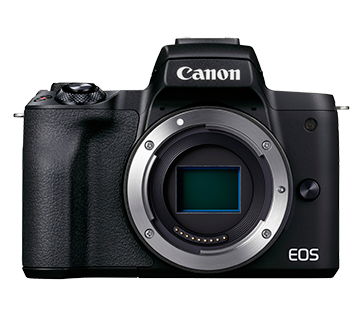
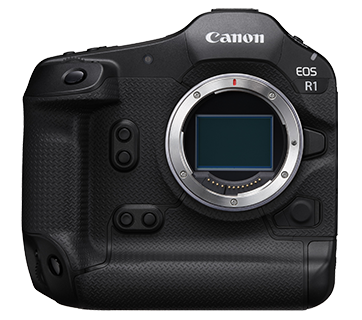
Camera bodies that work with this lens
Related Lenses
Other lenses you might want to consider