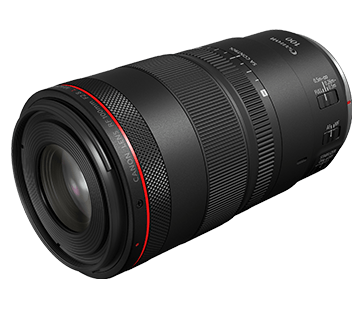
Pros & Cons
Pros
- Lightweight and compact design makes it ideal for travel and everyday carry
- Excellent macro capabilities with a maximum magnification of 0.5x, allowing for close-up photography
- Sharp images even wide open at f/1.8, outperforming many kit lenses
- Image stabilization (IS) allows for handheld shooting at slower shutter speeds, beneficial in low light
- Versatile focal length of 35mm (56mm equivalent on APS-C) suitable for a variety of photography styles including portraits, landscapes, and street photography
Cons
- Aperture of f/1.8 is not as fast as some alternatives, limiting low-light performance compared to f/1.4 options
- Slower autofocus, particularly in challenging conditions or with fast-moving subjects
- Some users report chromatic aberration (CA) and slight hunting in low light situations
- The 'macro' designation may be misleading as it does not provide true 1:1 magnification, which is often desired in macro photography
Verdict
The Canon RF 35mm f/1.8 Macro IS STM is generally well-regarded by users for its lightweight design, sharpness, and macro capabilities. While some may find the autofocus speed lacking and the aperture limiting, it remains a versatile choice for both travel and everyday photography.
Specifications
| Focal Length | 35mm |
| Max Aperture | f/1.8 |
| Mount | RF |
| OIS | Yes |
| AF Motor | STM |
| Min Focus | 0.17m |
Frequently Asked Questions
Does the Canon RF 35mm f/1.8 Macro IS STM have weather sealing?
No, this lens lacks weather and dust sealing, so care should be taken when using it in adverse conditions or extreme environments. Photographers who expect to frequently shoot in rain or dusty environments should consider more rugged, weather-sealed RF lenses.
How effective is the image stabilization and can it be used for handheld video?
The optical image stabilization in this lens provides up to 5 stops of shake reduction, making it very helpful for handheld shooting at slower shutter speeds and during video recording. Combined with in-body IS (on compatible cameras), performance improves further. It is well-suited for handheld video, though slow aperture breathing may be noticeable during focus pulls.
Does this lens perform well for macro photography?
It offers a maximum magnification of 0.5x, which is great for close-up details, flowers, food, and small products. However, it is not a true 1:1 macro lens, so those seeking extreme magnification for tiny subjects (such as insects or jewelry) may want a dedicated macro lens for more serious macro work.
Is the RF 35mm f/1.8 suitable for portraits?
This lens can create pleasing environmental and half-length portraits thanks to its sharpness and moderately wide aperture. On APS-C bodies, the effective 56mm field of view is particularly well-suited for tighter portraits. For classic, creamy full-frame portraiture with maximal background blur, longer or faster lenses may be more appropriate.
How does the autofocus perform for moving subjects?
Autofocus is generally accurate for static subjects but can be slow or hunt in low light and with rapidly moving subjects. It's adequate for most travel, street, or still-life uses, but less ideal for action, sports, or erratic subjects. Sports or wildlife shooters should look toward Canon's Nano USM or USM-driven RF lenses.
What competitors should I consider instead?
Alternatives include the Canon RF 50mm f/1.8 STM (lighter, no macro, longer focal length), the Samyang/Rokinon RF 35mm f/1.4 AF (larger, faster, but heavier and less stabilized), or adapting EF 35mm f/2 IS USM and third-party primes. L-series RF 35mm primes may come in the future but would be significantly more expensive.
Compatible Cameras
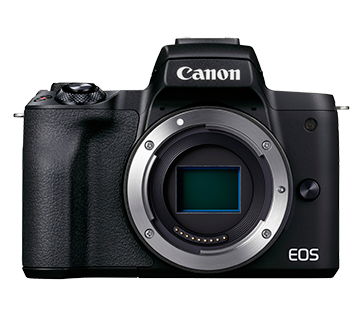
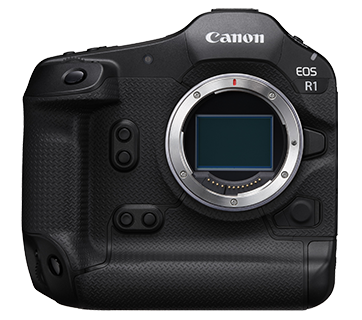
Camera bodies that work with this lens
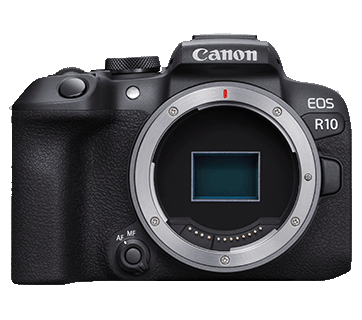
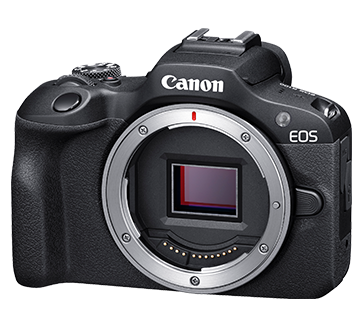
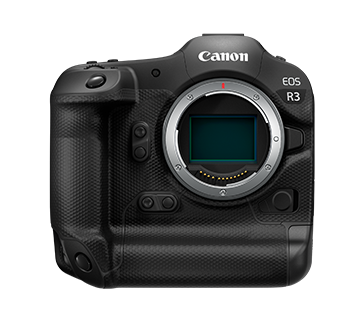
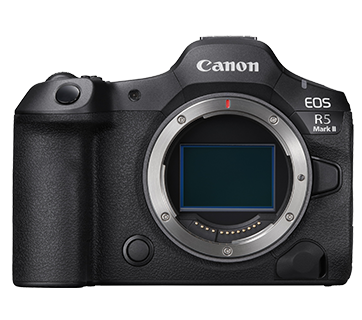
Related Lenses
Other lenses you might want to consider