Pros & Cons
Pros
- Lightweight design compared to previous versions, making it easier to handle over long periods.
- Exceptional sharpness and image quality even at wide apertures, with multiple users confirming its superiority over older models.
- Flexible use with teleconverters, maintaining good image quality when attached.
- Fast autofocus performance and reliability, especially when coupled with the newer RF bodies.
- Great for wildlife and sports photography due to its reach and low-light capabilities.
Cons
- High price point, making it a significant investment for many photographers.
- Some users noted that the 2x teleconverter reduces image quality and autofocus speed.
- The lens can still be heavy and cumbersome despite being lighter than previous versions, which might limit casual use.
- Limited availability of support and parts for older versions compared to newer models.
Verdict
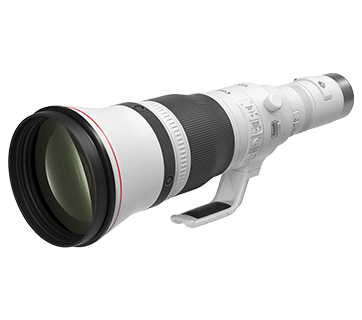
The Canon RF 400mm f/2.8L IS USM is highly regarded for its exceptional sharpness, lightweight design, and versatility with teleconverters, making it an ideal choice for wildlife and sports photography. However, its high price and weight concerns are notable drawbacks, indicating that while the lens excels in performance, it remains a significant investment.
Specifications
| Focal Length | 400mm |
| Max Aperture | f/2.8 |
| Min Aperture | f/32 |
| Mount | RF |
| OIS | Yes |
| AF Motor | USM |
| Filter Size | 52mm |
| Min Focus | 2.5m |
| Dimensions | 162 x 365 mm |
Frequently Asked Questions
How does the RF 400mm f/2.8L IS USM compare to the EF 400mm f/2.8L IS III USM?
Optically and mechanically, the RF version borrows heavily from the EF 400mm f/2.8L IS III USM, but it adds faster communication, better autofocus, and more reliable image stabilization due to the improvements of the RF mount when paired with compatible mirrorless bodies. The RF is also slightly lighter and delivers the full benefits of Canon's latest in-lens processing and firmware updates, making it the better choice for RF system users.
Is the lens suitable for handheld shooting or prolonged use?
Compared to previous generations, the RF 400mm f/2.8L is indeed more manageable for handheld shooting, especially with its impressive image stabilization. However, it is still a heavy lens and prolonged handholding is only realistic for brief periods, particularly for those accustomed to telephoto shooting. Most users will employ a monopod or tripod for longer sessions.
How is image quality affected when using teleconverters?
With the 1.4x RF teleconverter, image quality remains very high with only a slight reduction in sharpness and autofocus speed, making it a viable option for extending reach. However, the 2x teleconverter introduces more pronounced softening, decreased contrast, and a clear slowdown in autofocus. For critical image quality, cropping from native images at f/2.8 is often preferable to using the 2x extender.
What genres of photography benefit most from this lens?
The RF 400mm f/2.8L excels in sports, wildlife, and news/photojournalism-situations requiring extreme reach, subject isolation, and speed. Its low-light capability and autofocus performance also make it ideal for challenging or unpredictable shooting conditions. Portraiture, landscape, or casual use may be better served by more flexible or compact lenses.
Does it work well with Canon's latest mirrorless bodies?
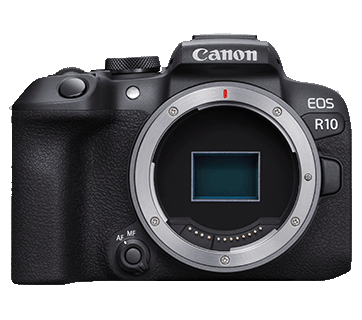
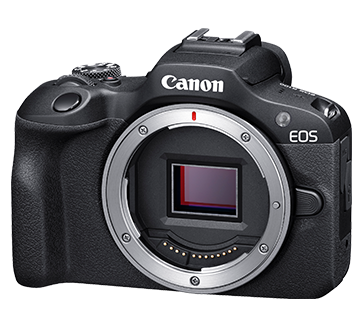
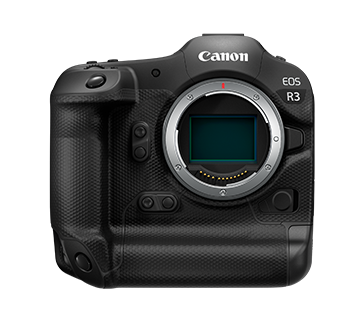
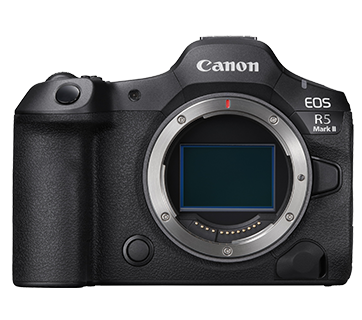
Yes, the lens is designed to maximize autofocus speed, tracking, and image stabilization when paired with current RF bodies like the EOS R5, R3, or R6 series. The communication speed and processing of these cameras, together with the lens, deliver best-in-class performance.
Is the investment worth it for hobbyists or amateurs?
For most hobbyists, the lens's size, weight, and especially cost are likely excessive for general-purpose or occasional shooting. Unless you have a specific need for pro-level long telephoto performance-such as wildlife or sports in challenging conditions-more affordable and lighter telephoto lenses may offer better value and versatility.
Compatible Cameras
Camera bodies that work with this lens
Related Lenses
Other lenses you might want to consider