Pros & Cons
Pros
- Lightweight design, making it easy to carry for extended periods.
- Cost-effective option for beginner photographers on a tight budget.
- Wide zoom range (75-300mm) provides versatility for various shooting scenarios.
- Good for well-lit conditions; some users report acceptable performance at f/8.
- Can provide decent images for specific types of photography, such as casual wildlife shooting.
Cons
- Notoriously bad optics, considered one of Canon's worst lenses.
- Inconsistent autofocus speed, particularly in lower light conditions.
- Significant chromatic aberration and softness, especially at 300mm.
- No image stabilization, necessitating high shutter speeds to avoid motion blur.
- Old design with outdated focus motor technology, leading to performance issues on modern bodies.
Verdict
The Canon RF 75-300mm f/4-5.6 is widely criticized for its optical performance, with many users labeling it one of Canon's worst lenses. While it is lightweight and budget-friendly, it struggles in low light and produces soft images with noticeable chromatic aberrations, making it more suitable for casual or introductory photography rather than serious wildlife or sports work.
Specifications
| Focal Length | 75-300mm |
| Max Aperture | f/4-5.6 |
| Mount | Canon RF |
| Filter Size | 58mm |
| Weight | 507g |
Frequently Asked Questions
Does the Canon RF 75-300mm f/4-5.6 have image stabilization?
No, this lens does not include optical image stabilization. To avoid motion blur at longer focal lengths, you'll need to use higher shutter speeds or pair it with a camera body that offers in-body stabilization (IBIS), though even then results can be inconsistent.
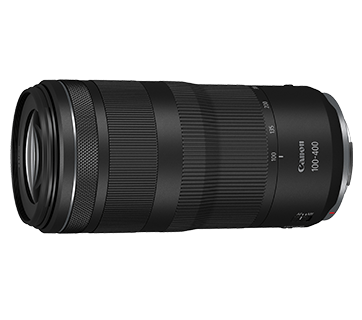
How does the RF 75-300mm compare to the RF 100-400mm or EF-S 55-250mm IS STM?
The RF 75-300mm is notably behind both lenses in image sharpness, color rendering, autofocus speed, and overall usability. The RF 100-400mm, despite its narrower aperture at the long end, offers vastly improved optics, image stabilization, and autofocus. The EF-S 55-250mm IS STM (on an adapter) is optically and mechanically superior in almost every way for APS-C shooters.
Is the RF 75-300mm suitable for wildlife or sports photography?
While it offers the reach needed, its slow autofocus, lack of stabilization, and soft images at 300mm make it a poor choice for fast-moving subjects or challenging conditions. It may suffice for casual, well-lit wildlife photography, but dedicated shooters will be frustrated.
Will this lens work on my Canon EOS R or EOS RP?
Yes, it is fully compatible with full-frame Canon RF-mount bodies as well as APS-C RF cameras. However, performance issues-particularly image quality and autofocus-will be the same regardless of the host body.
Can I get good portraits with the Canon RF 75-300mm?
You can achieve some subject separation at telephoto focal lengths, but bokeh is not particularly pleasing and sharpness, especially in the corners, is lacking. For portrait work, Canon offers sharper, faster lenses with more attractive background blur.
What filters does the lens take?
The lens uses 58mm screw-in filters. Due to the rotating front element during focusing, using polarizers or graduated ND filters may be cumbersome.
Compatible Cameras
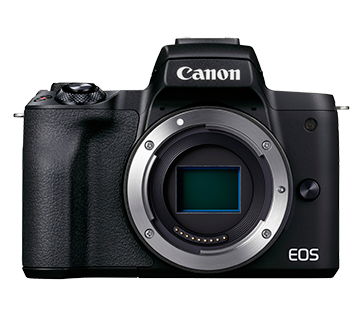
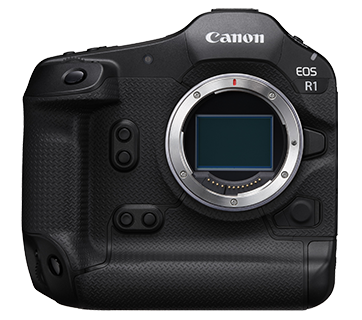
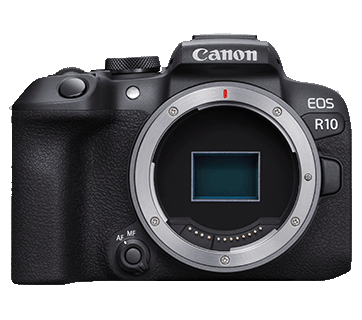
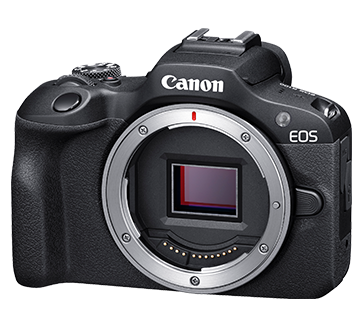
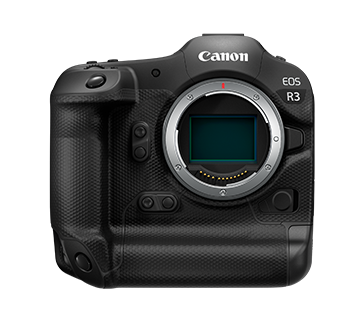
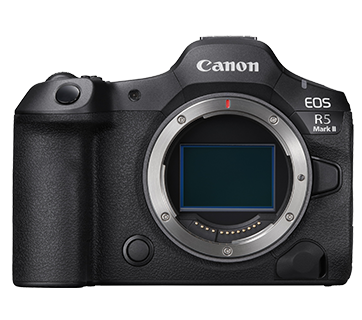
Camera bodies that work with this lens
Related Lenses
Other lenses you might want to consider