Pros & Cons
Pros
- Exceptional sharpness and image quality, especially at f/1.2
- Creates beautiful bokeh, providing professional quality portraits
- Fast and reliable autofocus performance, particularly with Canon's R-series bodies
- Constructed with high-quality materials, giving a premium feel
- Versatile for various styles of photography including portraits and even some sports
Cons
- High price point, making it less accessible for amateur photographers
- Weight can be cumbersome for extended shoots, especially compared to other options
- Some users reported noticeable focus motor noise during autofocus
- Light loss noted in the DS version due to aperture design, potentially affecting low-light performance
Verdict
Overall, the Canon RF 85mm f/1.2L USM DS is highly regarded by users for its image quality and bokeh, making it a top choice for portrait photography. However, its hefty price and weight may deter some potential buyers, along with reports of focus motor noise in certain use cases.
Specifications
| Focal Length | 85mm |
| Max Aperture | f/1.2 |
| Min Aperture | f/16 |
| Mount | Canon RF |
| AF Motor | USM |
| Min Focus | 0.85m |
| Dimensions | 103 x 124.2 mm |
| Optical Design | 13 elements in 9 groups |
| Diaphragm Blades | 9 |
Frequently Asked Questions
What does the DS (Defocus Smoothing) designation mean on this lens?
DS stands for Defocus Smoothing, which involves a special coating (essentially a radially-graded neutral density filter) on some elements to smooth and soften out-of-focus highlights. This results in exceptionally creamy bokeh that's distinct from the non-DS version of the lens, ideal for achieving a dreamy, flattering background in portraits.
Will the DS coating affect the lens's performance in low light?
Yes, while the maximum aperture remains f/1.2 optically, the DS coating reduces total light transmission by about 1-1.5 stops. Practically, this means you may need to use a higher ISO or slower shutter speed in low light compared to the standard RF 85mm f/1.2L non-DS, or competitor 85mm f/1.4 lenses.
Is the Canon RF 85mm f/1.2L USM DS good for anything besides portraits?
While optimized for portraiture, its sharpness and fast autofocus allow it to be used for select sports, events, and even some product or detail photography. However, its size, weight, and focus on bokeh rendering make it less versatile compared to lighter or slower-aperture 85mm and 50mm options.
How does the autofocus perform for video or fast-moving subjects?
Autofocus is fast, accurate, and reliable for still photography, but the DS version can be a bit noisy, which may be picked up by in-camera microphones during video. For fast-action or sports, autofocus is competent but not as agile as smaller, lighter lenses. It's best suited for controlled, deliberate shooting rather than fast-paced or run-and-gun situations.
How does the RF 85mm f/1.2L USM DS compare to the non-DS version?
Both lenses share the same optical base design and deliver similar sharpness, autofocus, and build. The DS version offers smoother, creamier bokeh at the expense of about 1-1.5 stops of light. The non-DS is better suited if you need maximum low-light capability or true f/1.2 transmission, while the DS variant is for those prioritizing signature bokeh.
Is this lens worth the price for an amateur or hobbyist?
For most hobbyists, the RF 85mm f/2 Macro IS STM or RF 50mm f/1.8 STM offer excellent value at a fraction of the price, with great image quality and portability. The 85mm f/1.2L DS is best considered by those who demand the utmost in image quality and unique bokeh, and are prepared for the associated investment and size.
Compatible Cameras
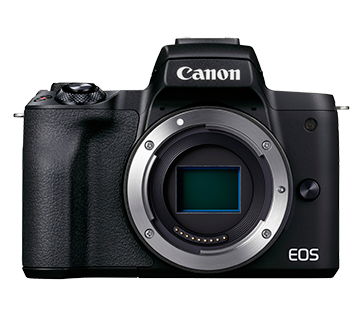
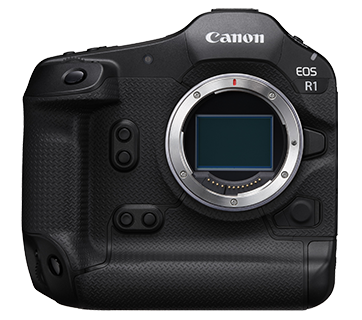
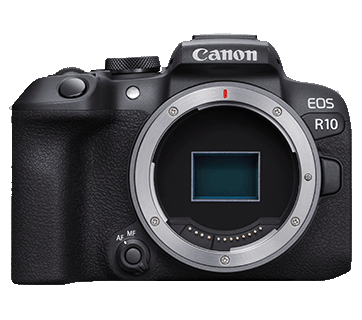
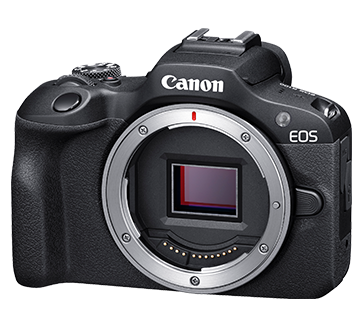
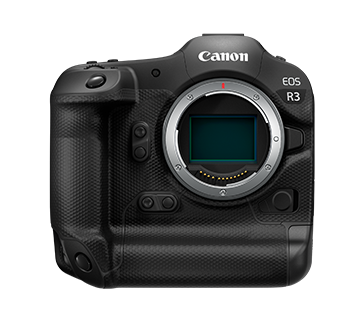
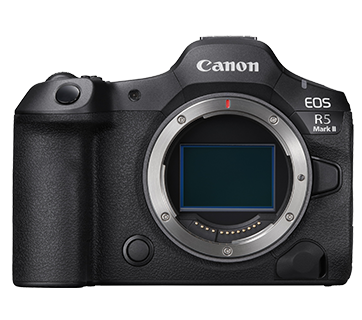
Camera bodies that work with this lens
Related Lenses
Other lenses you might want to consider