Pros & Cons
Pros
- Compact and lightweight design, ideal for travel and street photography.
- Dual fisheye capability for unique spatial video and creative photography.
- Good build quality, feeling sturdy and reliable in use.
- Compatible with Canon's R-series cameras, leveraging advanced imaging technologies.
- Capable of producing striking 3D effects when shooting in spatial video mode.
- Good image sharpness in the center, adding to its utility for landscape photography.
- Innovative design allows for easy capturing of immersive content.
Cons
- Limited versatility due to its specific dual-lens design, less effective for conventional photography.
- Distortion characteristics may not be suitable for all shooting scenarios.
- Higher price point compared to standard lenses offering broader functionalities.
- May not meet the expectations of photographers looking for traditional lens performance.
- Requires specific adaptations or expertise to fully utilize its unique capabilities.
Verdict
Overall, the Canon RF-S 7.8mm f/4 STM Dual lens is well-received for its innovative design and effectiveness in specialized scenarios like spatial video. However, its limitations in versatility and higher cost compared to more traditional options may deter some potential users.
Specifications
| Focal Length | 7.8 |
| Max Aperture | 4 |
| Mount | Canon RF |
| OIS | No |
| AF Motor | STM |
| Filter Size | 58mm |
| Min Focus | 0.15m |
| Weight | 131g |
| Dimensions | 68.6 x 40.6 mm |
| Weather Sealed | No |
Frequently Asked Questions
Can the Canon RF-S 7.8mm f/4 STM Dual be used for regular photography?
Not effectively. The lens is engineered specifically for spatial video and 3D/VR applications, producing two circular fisheye images side by side instead of a conventional rectangular photo. Images will exhibit extreme fisheye distortion, making them unsuitable for traditional landscapes, portraits, or general shooting.
Is the lens compatible with full frame cameras, or only crop (APS-C) bodies?
The RF-S 7.8mm f/4 STM Dual is designed for Canon's APS-C (crop) format cameras using the RF mount. It will physically mount to full frame R-series bodies, but image coverage and software support are optimized for APS-C sensors.
What software or workflows are needed for spatial video and 3D content with this lens?
Spatial video produced by this lens requires post-processing using dedicated software to convert the dual circular projections into proper 3D video files for VR/AR platforms such as Apple Vision Pro. Canon provides software and plug-ins for supported workflows. Familiarity with VR postproduction tools is highly recommended.
How does the image quality compare to other VR/spatial video solutions?
The Canon RF-S 7.8mm f/4 delivers better center sharpness, greater reliability, and easier compatibility with Canon bodies than most third-party adapters and DIY stereoscopic rigs. However, it lacks the versatility and flat-field image quality of high-end rectilinear wide primes.
Are there alternatives to this lens for similar applications?
Alternatives include third-party stereoscopic adapters, off-brand dual-lens VR cameras, and larger, multi-lens cinematic VR rigs. Few match the integration, optical quality, or workflow support Canon provides here, but some options may be less expensive or more versatile depending on your needs.
Is it weather-sealed for field use?
No, the lens offers limited weather resistance and is best suited to controlled, indoor, or studio environments. Care should be taken when using it outdoors or in adverse weather.
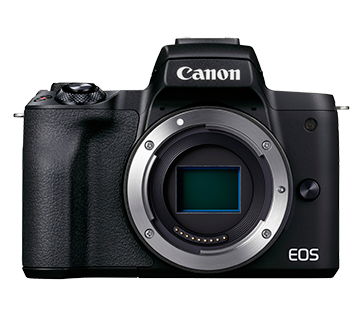
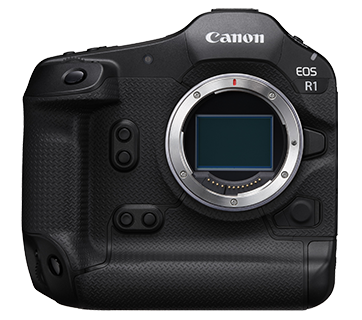
Compatible Cameras
Camera bodies that work with this lens
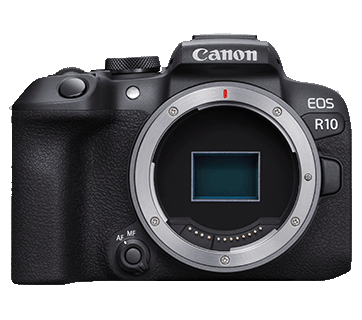
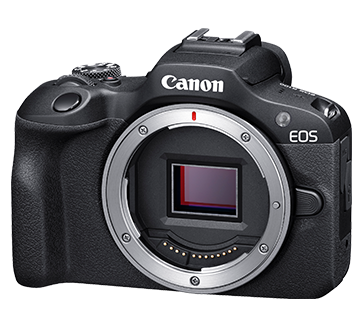
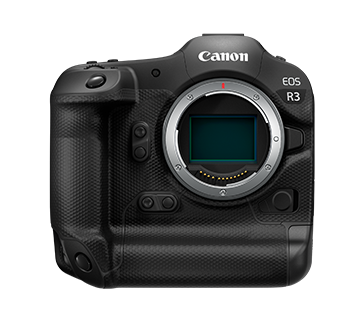
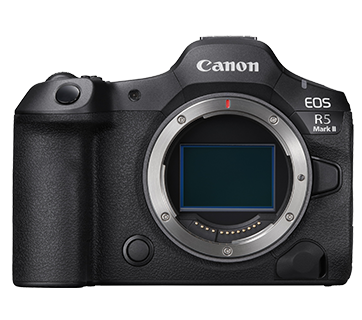
Related Lenses
Other lenses you might want to consider