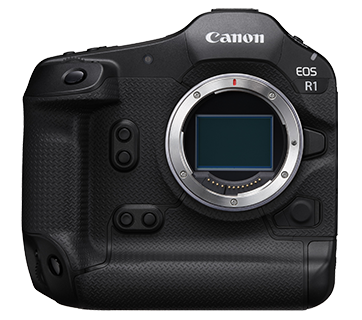
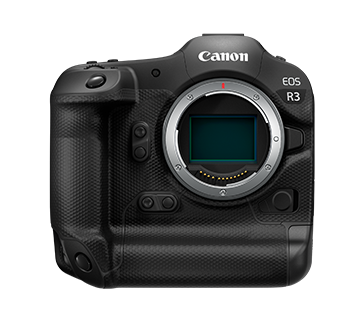
The Canon EOS R1 and EOS R3 are two flagship mirrorless cameras that often find themselves in head-to-head comparisons, especially among professional photographers and advanced enthusiasts. Both models feature a full-frame sensor, exceptional autofocus systems, and robust build quality, making them well-suited for various photography genres such as sports, wildlife, and event photography. Those considering either of these cameras are likely looking for the latest technology, superior performance, and reliable features capable of meeting the demands of their craft. Key differentiators include the autofocus capabilities, video performance, and ergonomics, which ultimately influence user experience and suitability for specific tasks.
Specifications Comparison
Detailed Comparison
Image Quality
Both the Canon EOS R1 and R3 boast a full-frame sensor measuring 36 x 24 mm, and they deliver an impressive 24 megapixels of resolution. In terms of image quality, both cameras are capable of producing sharp, detailed images across various lighting conditions. However, the EOS R3's ISO range of 100-102400 (expandable to 50-204800) provides a noteworthily broader sensitivity range compared to its counterpart. This flexibility means the R3 can handle low-light environments better without introducing excessive noise, which may be paramount for professionals who shoot events in dim settings. Furthermore, with their advanced image processing engines, both cameras maintain excellent dynamic range, offering great latitude in post-processing. In practical tests, both models perform similarly, ensuring that the image quality remains outstanding across the board, making this category a tie.
Autofocus System
The autofocus system is one of the critical elements that differentiate these two cameras. The Canon EOS R1 features an astounding 4,897 autofocus points, which provides near-total coverage of the frame with pinpoint accuracy. This feature is particularly beneficial in fast-paced scenarios where capturing a fleeting moment is crucial. In contrast, the Canon EOS R3, though it has fewer autofocus points at 1,053, compensates with a well-honed and ultra-fast Dual Pixel CMOS AF II technology. The R3 also allows for real-time tracking of subjects using its face and eye-detection features, making it ideal for shooting both stills and video. In consideration of the more extensive tracking capabilities and total coverage, the winner in the autofocus category is the Canon EOS R1.
Video Capabilities
When it comes to video capabilities, the Canon EOS R3 excels by offering 4K video recording at 120p, which is an essential feature for videographers looking for high-frame-rate options for slow-motion effects. Additionally, the R3 features advanced video options, including 10-bit 4:2:2 internal recording, which enhances color grading versatility during post-production. While the Canon EOS R1 is set to be a powerful tool for stills, it has yet to confirm if it matches the advanced video capabilities introduced in the R3. Therefore, for those whose primary focus includes video along with photography, the R3 takes the lead in this comparison.
Build & Ergonomics
Both cameras are built with a robust weather-sealed construction that allows for extensive use in various environmental conditions. The Canon EOS R1 has slightly larger dimensions and weighs 1115 grams, making it feel more substantial in the hand, which some photographers may prefer for stability during long shoots. The R3, weighing in at 1015 grams with a more compact design, can be perceived as more portable and easier to manage during extended shooting sessions. Furthermore, the R3 features a higher-resolution screen at 4,150,000 dots, offering better clarity for review and focus during shooting. Overall, considering ergonomics and ease of use, the Canon EOS R3 earns the title for this category.
Battery & Storage
Battery life is an essential aspect for professional use, and the Canon EOS R3 shines in this area with approximately 760 shots per single charge. The R1, while capable of handling robust photo ops, does not provide specific battery details yet; however, based on general trend practices for Canon's latest releases, it may perform comparably but is likely not designed for extended use in the same manner as the R3. In terms of storage, both models utilize Canon RF lenses, ensuring a consistent ecosystem; however, the EOS R3's efficient battery management would suit long sessions better, making it the clear winner in battery performance.
Value for Money
The Canon EOS R1 comes at a price tag of $6299, while the EOS R3 is slightly more affordable at $5999. When evaluating value for money, the R1 boasts some advanced features that cater to the high-end market, which appeals to professionals requiring top-tier specs. However, given its diverse capabilities-especially in video performance, autofocus efficiency, and excellent build quality-the R3 offers excellent versatility at a lower price point. While both cameras deliver exceptional results, the R3's pricing and features may provide better value for a broader range of users, particularly videographers and hybrid shooters.
Our Verdict
While both the Canon EOS R1 and R3 are powerhouse cameras with excellent performance, the Canon EOS R3 ultimately takes the lead in this comparison. Its superior video capabilities, efficient autofocus system, and enhanced battery life make it an ideal choice for those primarily engaged in hybrid shooting. Conversely, the EOS R1, while slightly pricier, will appeal to those photographers exclusively focused on high-end still image capture, especially where extensive autofocus coverage is crucial. Understanding their unique strengths empowers buyers to make informed choices based on their specific photography and videography requirements.
Canon EOS R1
Canon EOS R3
Also Compare
Frequently Asked Questions
Which camera is better for sports photography?
For sports photography, the Canon EOS R1's extensive autofocus points and faster focus tracking make it a superior choice, providing better subject tracking and quick responsiveness.
Is the Canon EOS R3 good for video production?
Absolutely! The Canon EOS R3 excels in video production with 4K 120p recording, high bitrate options, and advanced focus features, making it a top pick for videographers.
How do these cameras perform in low light?
Both cameras perform well in low light due to their full-frame sensors, but the EOS R3 offers a wider ISO range, which provides better performance in challenging lighting conditions.
Which camera has better battery life?
The Canon EOS R3 offers a better battery life with approximately 760 shots per charge, making it more suitable for long shoots without frequent recharging.
Are both cameras weather-sealed?
Yes, both the Canon EOS R1 and R3 feature robust weather sealing, making them durable and able to withstand various environmental conditions during use.