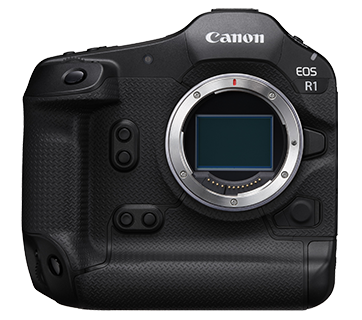
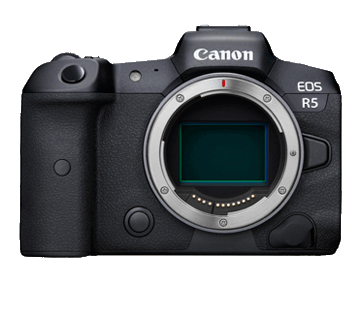
The Canon EOS R1 and the Canon EOS R5 are two flagship mirrorless cameras from Canon that have garnered attention from videographers, photographers, and professionals alike. Commonly compared due to their high-end specifications and shared RF mount system, potential buyers often find themselves torn between the enhanced capabilities of the R1 and the well-rounded features of the R5. Key differentiators include megapixel count, autofocus systems, video performance, and ergonomics, all of which are critical in deciding which camera best suits individual needs.
Specifications Comparison
Detailed Comparison
Image Quality
Both theCanon EOS R1 and R5 utilize a full-frame sensor (36 x 24 mm) design, yet they diverge significantly in terms of resolution. The R5 boasts an impressive 45 megapixels, making it an ideal choice for high-resolution work such as landscape and studio photography, where detail and cropping flexibility are paramount. On the other hand, the R1's 24-megapixel sensor is more aligned with fast-paced photography, such as sports or wildlife, where speed and performance can often outweigh resolution. While the R5 excels in capturing finer details, the R1 offers excellent low-light performance and quicker readout speeds, making it well-suited for dynamic shooting conditions.
The two cameras also feature identical stabilization systems, offering up to 8 stops of compensation, ensuring optimal results when shooting handheld. In conclusion, image quality heavily favors the R5 due to its higher megapixel count but depends on the user's specific needs, as both cameras deliver professional-grade results.
Autofocus System
The autofocus systems of the Canon EOS R1 and R5 illustrate the advancements in Canon's technology. The R1 stands out with an astounding 4,897 autofocus points, covering almost the entire frame, which is particularly beneficial for capturing fast-moving subjects accurately. This pixel-dense system not only provides coverage but also enhances tracking capabilities during action shots. Meanwhile, the EOS R5, while slightly behind with its 1,053 autofocus points, still provides highly capable subject-tracking performance, especially with face and eye detection mode.
Both cameras feature advanced AI-based subject recognition systems, but the superior number of autofocus points in the R1 provides it with a more comprehensive optical network that is less likely to miss fast motion during critical shoots. Therefore, for photographers prioritizing reliable autofocus, the R1 emerges as the clear winner here.
Video Capabilities
When it comes to video capabilities, both the EOS R1 and R5 cater to an audience seeking high-quality video with impressive features. The R5 has established itself as a formidable tool for video professionals, capable of recording 4K video at 120p, which is ideal for creating high-frame-rate content. In contrast, while the R1's video specifications are still under wraps due to its upcoming release, we can anticipate that it will support high-resolution video formats, potentially offering competitive features. However, it is the R5's already proven capability of 8K video recording that keeps it ahead in this category.
Considerations also extend to heat management, as the R5 has faced some limitations in continuous recording times. Although the R1 aims to mitigate these concerns with potentially improved thermal designs, for now, the R5 remains the better option for video enthusiasts, providing a balance of resolution and frame rate flexibility.
Build & Ergonomics
Both the Canon EOS R1 and R5 showcase robust build quality, with weather-sealed bodies designed to withstand challenging shooting conditions. The R1 is noticeably larger and heavier at 1115 grams, which may be preferred by those who value a more substantial feel in hand, particularly in professional settings. It measures 158 x 150 x 87 mm, ensuring that it can accommodate larger lenses more comfortably. The R5, on the other hand, is more compact and manageable at 738 grams and dimensions of 138 x 98 x 88 mm, making it a more portable option for travel or light hiking.
Ergonomically, both models feature a similar touchscreen interface and button layout. However, the R1's design could be more accommodating for extended use with larger lenses, while the lightweight of the R5 may lead to less fatigue during long shooting sessions. Therefore, while personal preference plays a significant role, professional use may favor the R1 due to its higher durability and wider grip.
Battery & Storage
Battery longevity is a critical factor for photographers and videographers who often work on location. The Canon EOS R5 offers a battery life of approximately 320 shots per charge, which, while decent, could be restrictive in longer shooting scenarios. In contrast, the R1's longer battery life is currently unannounced but can be expected to be more robust, considering its targeted professional user base. This is vital for events like weddings or sports where changing batteries could result in missed moments.
Additionally, both cameras support dual card slots, which allows for backup and increased storage options. The R5 uses a combination of CFexpress and SD UHS-II cards, while the R1 will likely follow suit, giving professionals the flexibility to handle large file transfers efficiently. The R1 potentially edges out here owing to anticipated enhancements in battery efficiency and performance.
Value for Money
Price is always an essential consideration in any camera purchase. The Canon EOS R5 comes in at a comparatively lower price of $3899, which offers excellent value given its extensive feature set, including high resolution, solid video capabilities, and robust image quality. In comparison, the Canon EOS R1, priced at $6299, is positioned as a professional-grade camera and will likely appeal primarily to serious photographers and videographers desiring the latest advancements in technology.
While both cameras are expensive investments, the R5 provides a strong balance of features at a lower price point, making it a more accessible choice for serious hobbyists and professionals who may not need the cutting-edge features of the R1. As such, for pure value, the R5 is the more economical option.
Our Verdict
The overall comparison between the Canon EOS R1 and EOS R5 shows that while the R1 excels in autofocus, build quality, and potential long-term battery efficiency, the R5 remains the more versatile, less expensive option. The enhanced image resolution and video capabilities of the R5, combined with its balanced feature set for a broader audience, lead it to victory in the overall verdict. For those prioritizing high-resolution photography and videography, the R5 is the clear choice, whereas the R1's innovative features may better serve professionals who require the fastest autofocus and enhanced ergonomics during extensive shoots.
Canon EOS R1
Canon EOS R5
Also Compare
Frequently Asked Questions
Which camera is better for wildlife photography?
The Canon EOS R1, with its superb autofocus system and speed, is better suited for wildlife photography due to its ability to track moving subjects accurately.
Is the R5 good for video production?
Yes, the Canon EOS R5 is excellent for video production, with capabilities including 4K and 8K recording alongside high frame rates. It's a versatile choice for both videographers and filmmakers.
How do the sizes of the R1 and R5 compare?
The Canon EOS R1 is larger and heavier than the R5, which can affect portability. The R5 is lighter and more compact, making it easier to carry around, particularly for travel.
Can I use lenses from other Canon cameras?
Both the EOS R1 and R5 utilize the Canon RF mount, allowing compatibility with Canon's RF lenses. Adapters are also available for using EF lenses, providing versatility in lens selection.
Is weather sealing important?
If you often shoot in challenging weather conditions, having weather sealing is crucial. Both the R1 and R5 boast weather-sealed bodies, providing increased durability against elements.