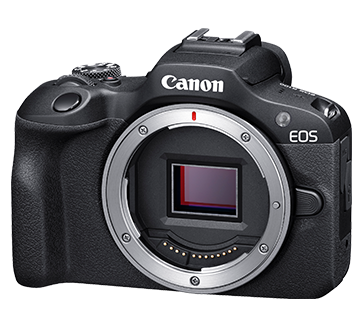
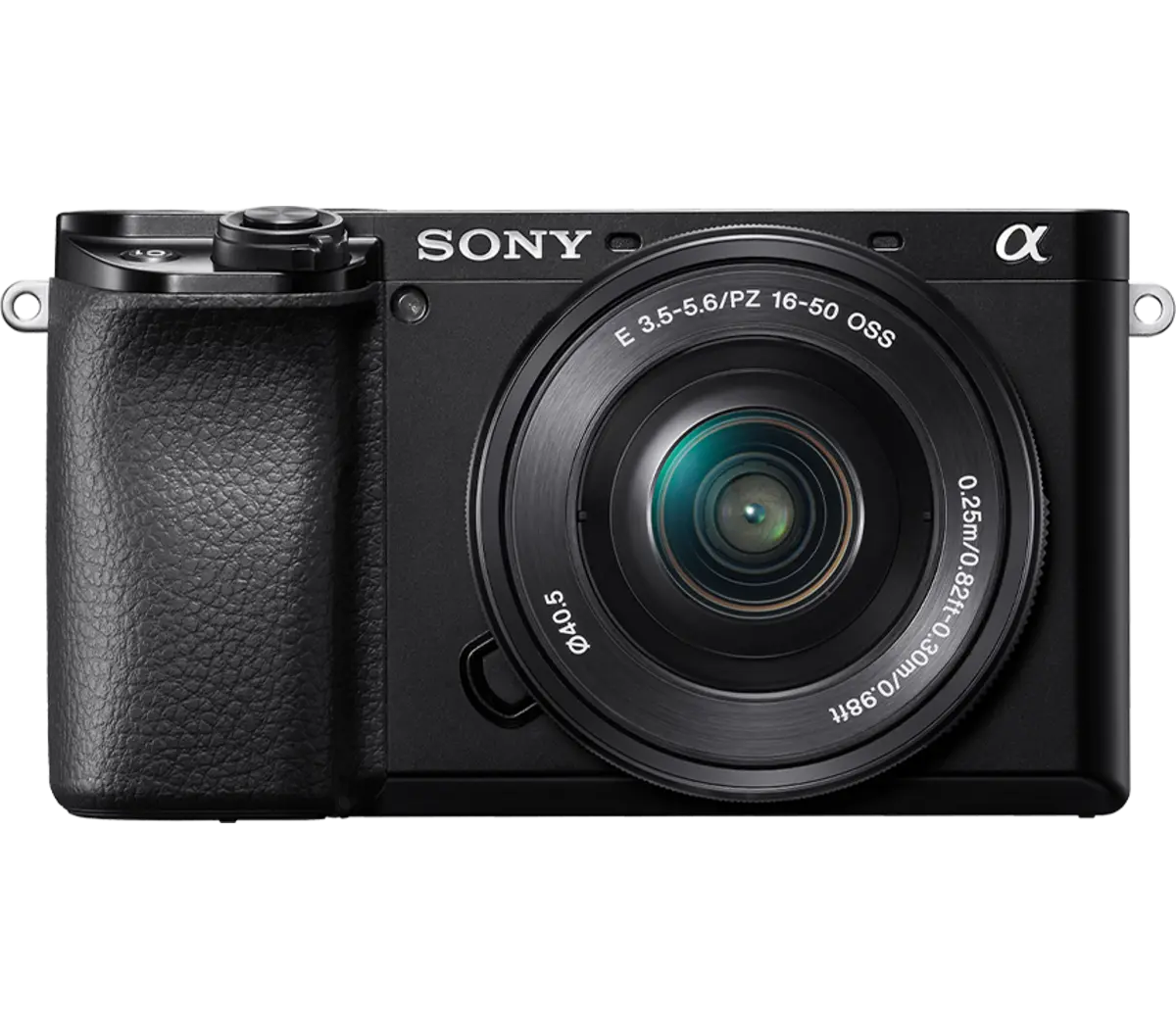
The Canon EOS R100 and Sony A6100 are two popular entry-level mirrorless cameras that photographers and videographers often consider when stepping into the APS-C format. Both cameras offer impressive features for their price points, suitable for enthusiasts and those just starting in photography. The key differentiators between them lie in their autofocus capabilities, video specifications, and overall user experience, making it essential for potential buyers to understand these differences to make an informed decision.
Specifications Comparison
Detailed Comparison
Image Quality
Both the Canon EOS R100 and the Sony A6100 feature APS-C sensors with a resolution of 24 megapixels, providing excellent image quality for still photography. The Canon R100 utilizes a Canon RF mount, potentially offering a slightly different image processing engine and color science, which can influence the overall color rendition and dynamic range. On the other hand, the Sony A6100, using the Sony E mount, is known for its impressive low-light performance, especially with its extended ISO range up to 51,200. However, in typical day-to-day photography, both cameras perform admirably in good lighting conditions and deliver sharp, vibrant images. As for lens options, Sony's E-mount has a broader range of native lenses available compared to Canon's RF mount, which can impact the versatility in achieving desired photographic styles.
Autofocus System
When it comes to autofocus, the Sony A6100 shines with its 425 phase-detection points, making it one of the most effective systems in its class for tracking moving subjects. This is especially beneficial for sports or wildlife photography, where rapid autofocus performance is critical. The Canon EOS R100, while equipped with 143 autofocus points, does a commendable job as well, but it may not match the speed and accuracy of the A6100's system, particularly under challenging conditions. Both cameras feature continuous autofocus options, but the A6100's superior point coverage offers photographers greater flexibility. Users looking for reliable tracking should likely lean towards the A6100 for its autofocus advancements.
Video Capabilities
In terms of video capabilities, the Sony A6100 has the upper hand with its ability to record in 4K at 30 frames per second, appealing to content creators. It also offers features like S-Log and a wider dynamic range for color grading in post-production, which makes it a compelling option for videographers. Meanwhile, the Canon R100 lacks 4K video functionality, limiting its appeal to users focused on video production. Instead, the R100 provides a solid option for full HD video capture and basic video needs. Therefore, for those whose primary focus is on video, the A6100 stands out as the clear choice.
Build & Ergonomics
The Canon EOS R100 is slightly more compact and lightweight at 356 grams, making it an appealing option for travel and everyday carrying. Its dimensions also allow for a comfortable grip, especially for extended shooting sessions. The Sony A6100, while a bit bulkier at 396 grams, still maintains an ergonomic design that many users appreciate. Both cameras feature electronic viewfinders, which is becoming standard at this price point, but the R100 offers a slightly higher resolution screen at 1,040,000 dots compared to the A6100's 921,600 dots. Ultimately, the choice between build and ergonomics may come down to personal preference regarding size and handling.
Battery & Storage
Battery life is an important consideration for anyone using a mirrorless camera. The Sony A6100 offers an impressive battery life with around 420 shots per charge, compared to the Canon EOS R100, which does not disclose a specific battery life but is expected to be slightly lower given its older design. Additionally, both cameras utilize SD memory cards, but the A6100 supports faster UHS-I cards, which are beneficial for burst shooting, especially in RAW format. Users who frequently shoot high volumes or video may find this aspect crucial. For these reasons, the A6100 is more suitable for those needing longer sessions without frequent battery replacements.
Value for Money
In terms of pricing, the Canon EOS R100 is positioned at a lower entry point of $480, making it a very attractive option for budget-conscious photographers who still want access to a premium camera system. The Sony A6100, priced at $750, may represent a higher initial investment, but it justifies the cost through superior autofocus performance, video capabilities, and proven battery life. For newcomers to photography who prioritize features to propel their skills further, the A6100 offers significant long-term value that may outweigh the initial savings of the R100, making this a key consideration for potential buyers.
Our Verdict
After careful consideration of the various aspects, the Sony A6100 emerges as the overall winner for its superior autofocus system, video capabilities, and robust battery life. While the Canon EOS R100 offers a competitive entry point and a lightweight design, the A6100's technological advancements and performance make it a more versatile choice for a broader range of photographic scenarios. Buyers focused on dynamic photography or videography, in particular, will benefit more from the features offered by the A6100, while those seeking a compact, budget-friendly option could still find value in the Canon R100.
Canon EOS R100
Sony A6100
Also Compare
Frequently Asked Questions
Which camera is better for video recording?
The Sony A6100 is better for video recording as it offers 4K video capabilities and advanced features like S-Log for better post-production flexibility.
Are the lenses interchangeable between the two cameras?
No, the Canon EOS R100 uses the Canon RF mount, while the Sony A6100 uses the Sony E mount; they require different lenses.
Which camera has better autofocus capabilities?
The Sony A6100 has a more advanced autofocus system with 425 points compared to the 143 points in the Canon EOS R100, making it better for capturing moving subjects.
How does battery life compare?
The Sony A6100 provides a battery life of around 420 shots, while the Canon EOS R100's battery life may be slightly lower, making the A6100 a better choice for extended shooting sessions.
Is the Canon EOS R100 a good option for beginners?
Yes, the Canon EOS R100 is a great option for beginners due to its compact size, ease of use, and affordable price point.