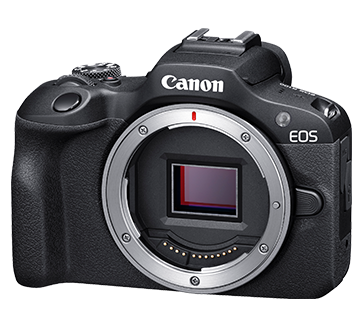
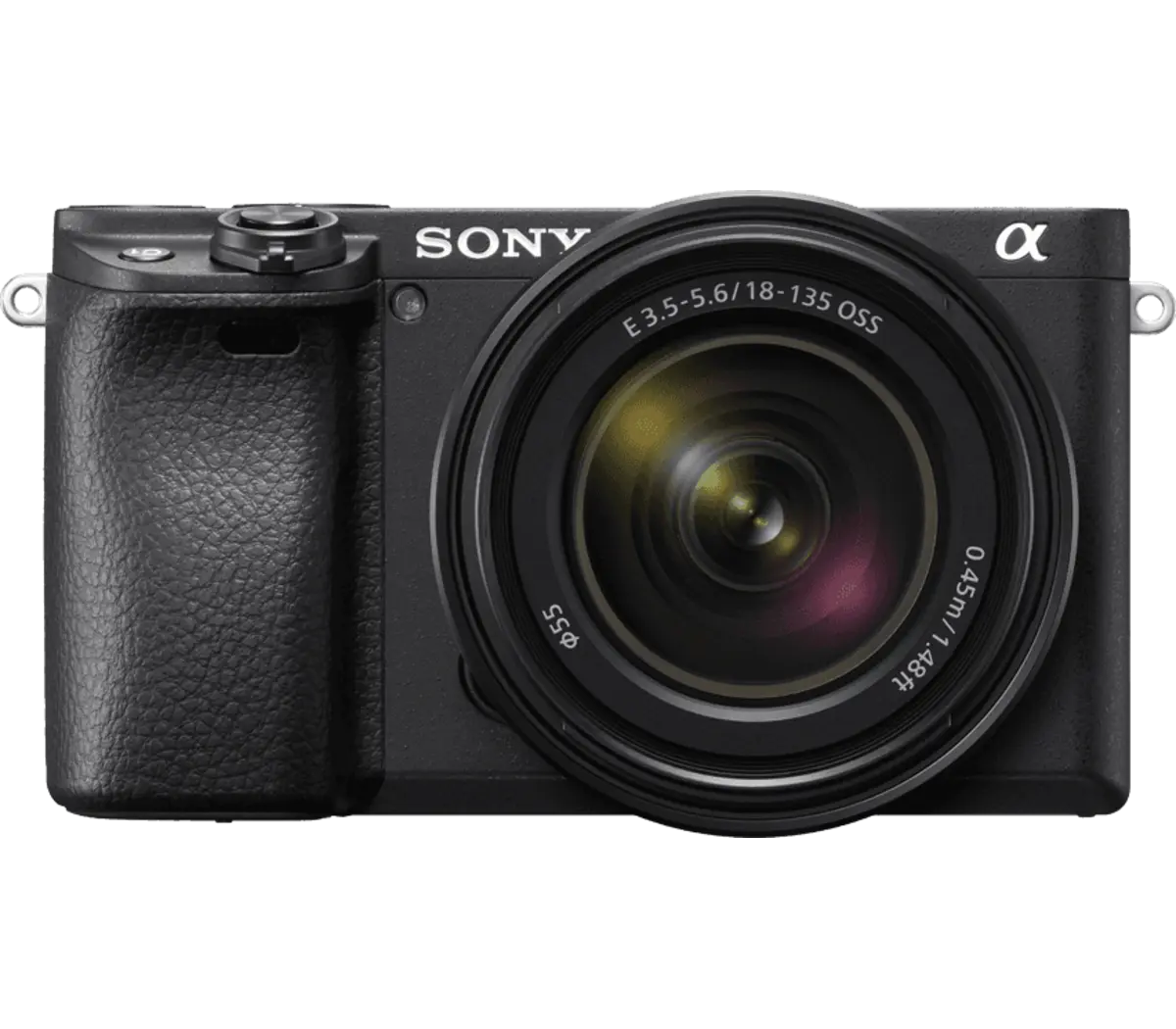
The Canon EOS R100 and Sony A6400 are two popular options in the entry-to-mid-level mirrorless camera market, each appealing to photographers and videographers looking for a compact, versatile system. Both cameras are equipped with APS-C sensors and boast 24 megapixels, making them suitable for various shooting situations. Buyers often compare these models based on autofocus capabilities, video performance, battery life, and build quality, as these features are critical in determining which camera may fit their personal shooting style and needs best.
Specifications Comparison
Detailed Comparison
Image Quality
Both the Canon EOS R100 and Sony A6400 feature APS-C sensors with 24 megapixels, delivering excellent image quality in various lighting conditions. The R100's ISO range extends from 100 to 12800, while the A6400 has a wider range of 100 to 32000, expandable to 102800. This allows the A6400 to perform better in low-light situations, making it a preferable choice for photographers who frequently shoot in dimly lit environments. Both cameras use advanced image processing technology to reduce noise, but the expanded ISO range gives a noticeable edge to the A6400 when it comes to cleaner images at high ISO settings. Overall, while both cameras produce sharp, detailed images, the A6400 is likely to provide slightly better low-light performance, giving it the win in this category.
Autofocus System
The autofocus capabilities are another critical area where these two cameras differ significantly. The Canon EOS R100 features 143 autofocus points, which is adequate for most situations. However, the Sony A6400 boasts an impressive 425 phase-detection points, leading to more precise and reliable autofocus performance. The A6400's autofocus system also utilizes Real-Time Eye AF and Real-Time Tracking, which are highly praised for their effectiveness in capturing dynamic subjects, making it a preferred choice for action photography and videography. Although Canon's autofocus system is competent, the superior tracking and detection capabilities of the A6400 make it stand out in this category.
Video Capabilities
Both cameras offer solid video performance, but the Sony A6400 has a clear advantage with its ability to record in 4K at 30p. This capability allows for higher resolution video. In contrast, the Canon EOS R100 does not have specified video features like 4K recording, focusing instead on still photography capabilities. Furthermore, the A6400 supports advanced video options, including S-Log and picture profiles that provide filmmakers with a greater degree of creative control in post-production. Given the current trends in content creation that emphasize high-quality video, the A6400 is the clearer choice for those prioritizing videography.
Build & Ergonomics
Regarding build quality, the Sony A6400 is notably weather-sealed, providing extra protection against moisture and dust, making it suitable for outdoor use. The Canon EOS R100, while compact and lightweight at just 356g, does not offer weather-sealing, which could be a downside for outdoor enthusiasts. Both cameras feature electronic viewfinders and identical 3-inch screens, though the A6400's screen has a slightly lower resolution at 921,600 dots compared to the R100's 1,040,000 dots. However, the A6400's design is often praised for its ergonomics and handling, providing a comfortable grip during longer shoots. Despite the R100's higher resolution screen, the A6400 takes the win in terms of overall durability and handling.
Battery & Storage
Battery performance is essential for photographers and videographers, especially during longer shoots. The Canon EOS R100 has not listed its battery life, whereas the Sony A6400 boasts a commendable 410 shots per charge, providing a significant advantage for extended use. In terms of storage, both cameras utilize SD cards, but the A6400 supports UHS-1 cards, which can achieve faster write speeds beneficial for continuous shooting and video recording. Due to its better battery life and compatibility with faster memory cards, the A6400 wins this category.
Value for Money
Priced at $480, the Canon EOS R100 offers a very attractive entry point for those new to mirrorless photography. However, the Sony A6400, with a price of $900, justifies its cost with advanced features and build quality that may appeal more to serious enthusiasts and professionals. While the R100 provides decent value for casual photographers, the A6400's superior autofocus, video capabilities, and ruggedness deliver a more comprehensive package for users who may require these features. Ultimately, if budget constraints are a primary concern, the R100 is a better financial decision. Still, for those who can invest a bit more for enhanced performance and reliability, the A6400 represents excellent value.
Our Verdict
While both the Canon EOS R100 and Sony A6400 cater to different segments of the market, the overall winner is the Sony A6400. With superior low-light performance, exceptional autofocus capabilities, and robust video features, it's an excellent choice for aspiring videographers and serious photographers alike. The Canon EOS R100, however, shines as a budget-friendly option with great image quality, making it ideal for beginners. Those looking for a straightforward camera experience without the need for advanced features may find the R100 suitable for their needs.