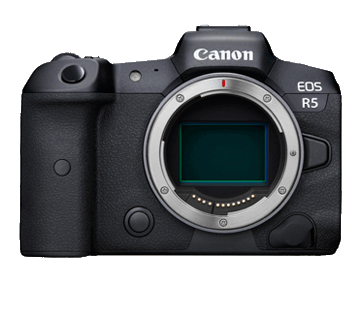
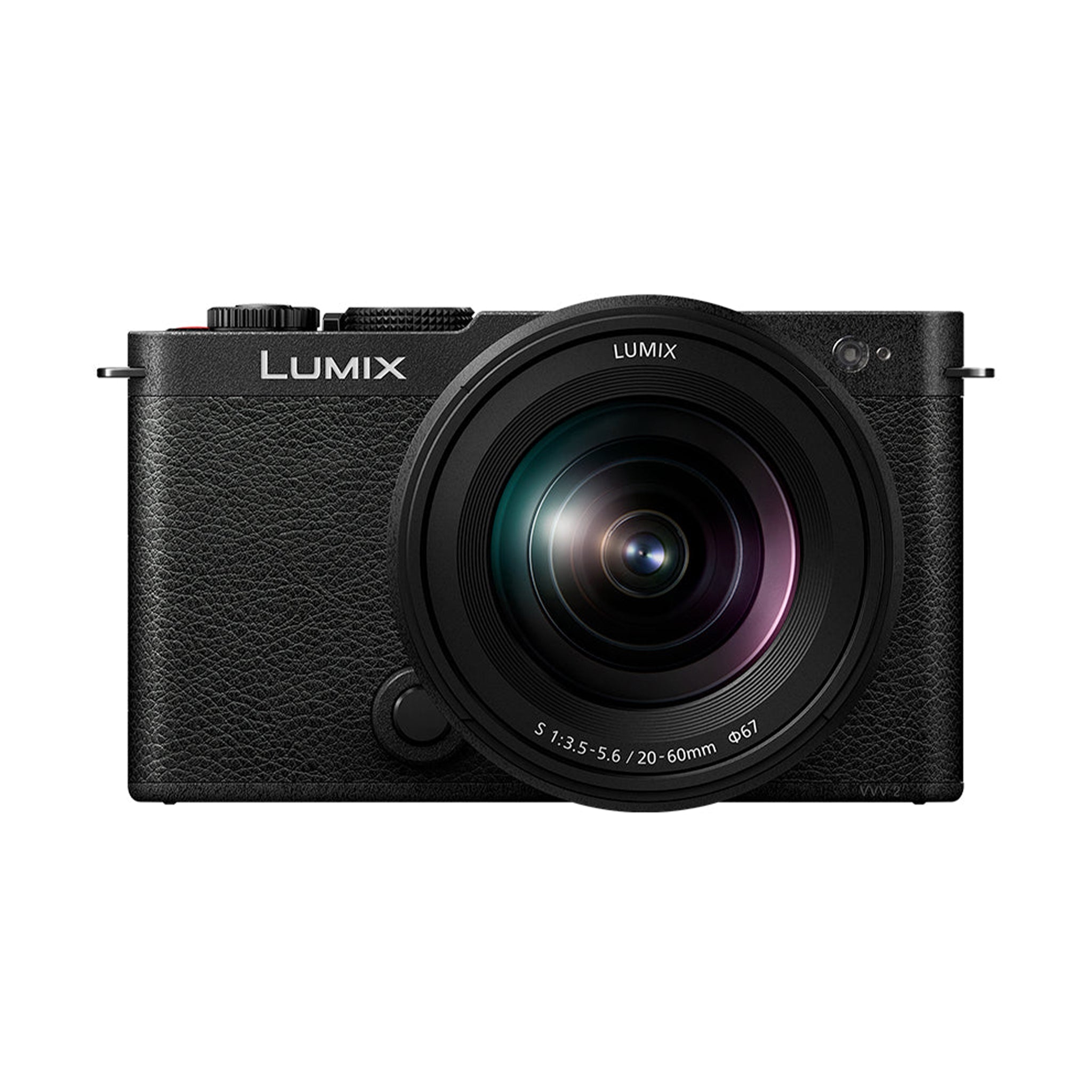
The Canon EOS R5 and Panasonic S9 are two high-performance mirrorless cameras that cater to professional photographers and videographers looking for versatile and feature-rich options. With an increasing number of creators transitioning to full-frame mirrorless systems, these models are often compared for their robust specifications and capabilities in various shooting scenarios. The R5, released in 2020, packs a high-resolution sensor and advanced autofocus, while the S9, which debuted in 2024, focuses on delivering exceptional video quality and compact design.
Specifications Comparison
Detailed Comparison
Image Quality
When it comes to image quality, the Canon EOS R5 has a significant advantage with its 45-megapixel full-frame sensor, allowing for incredibly detailed images and better performance in cropping scenarios. The broader ISO range of 100-51200 (expandable to 102400) gives it the upper hand in low-light conditions, enabling photographers to capture stunning images with minimal noise. In contrast, the Panasonic S9 features a 24-megapixel sensor, which, while capable, does not match the R5's resolution or low-light performance. Though the S9 still produces quality images, it may not satisfy users needing high-resolution output for large prints or detailed landscapes. Therefore, for photographers prioritizing image quality and resolution, the Canon EOS R5 is the clear choice.
Autofocus System
The autofocus system is critical for both stills and video work, and here the Canon EOS R5 excels again with 1053 autofocus points covering a significant portion of the frame. This system not only ensures precise focus tracking, particularly for moving subjects, but also includes advanced eye detection features. In contrast, the Panasonic S9, while equipped with a competent autofocus system, does not boast as many autofocus points or the advanced features found in the R5. This may affect users who rely on fast and accurate focusing in dynamic shooting environments such as sports or wildlife photography. Overall, the R5's superior autofocus capabilities make it a better choice for those who depending heavily on focus performance.
Video Capabilities
In terms of video capabilities, the Panasonic S9 comes out ahead with its impressive range of video resolutions, including 5.9K, UHD 4K, DCI 4K, and 1080p. This versatility makes it an attractive option for filmmakers looking to capture high-quality video with a variety of settings. While the Canon EOS R5 also offers solid video performance, particularly with 4K video at an impressive 120p, it is limited to that resolution and does not provide the same wide array of options as the S9. Additionally, the R5 has faced some overheating issues during extended video recording sessions, which could be a consideration for videographers relying on longer takes. Thus, for videographers prioritizing flexibility and multiple recording formats, the Panasonic S9 is the winner.
Build & Ergonomics
The build quality of both cameras is impressive with weather sealing, indicating they are designed for use in challenging conditions. However, the Canon EOS R5 is noticeably heavier at 738 grams versus the Panasonic S9 at just 486 grams. For users who prioritize portability, the lighter weight of the S9 is a decisive factor. In terms of ergonomics, both cameras feature electronic viewfinders, but the R5's screen offers 3.2 inches with 2,100,000 dots, providing a slightly better resolution. Conversely, the S9's smaller footprint may appeal to those who favor a more compact camera body. Considering the balance of durability, weight, and usability, the Canon EOS R5 has the edge for professional use, but the lightweight design of the S9 may cater to travel photographers.
Battery & Storage
Battery performance is essential for any photographer or videographer, and here the R5's battery life of approximately 320 shots stands as a standard but may not meet the high demands of extended shooting sessions. On the other hand, Panasonic S9's battery performance details remain largely general but typically leverage efficiency in mirrorless cameras. In terms of storage, the R5 features dual card slots supporting CFexpress and SD cards, providing a significant advantage in data handling and backup. The S9, while having good storage options, may not quite match the versatility offered by the R5's dual slots. Therefore, for users who prioritize extensive shooting and fast data management, the Canon EOS R5 is the stronger candidate.
Value for Money
When evaluating value for money, the Canon EOS R5 is priced at $3899, reflecting its high-end features and image quality. While it offers considerable advantages, this price point may be prohibitive for some users. The Panasonic S9, which has not yet confirmed pricing but presumably is expected to be priced competitively for its features, may offer better value for those primarily focusing on video capabilities, particularly for content creators and filmmakers looking for high-quality recording options without the additional features they might not utilize. Therefore, while the Canon EOS R5 provides more performance for photographers, the S9 may be a more enticing option for video-centric users looking to maximize their investment.
Lens Ecosystem
The Canon EOS R5 benefits from Canon's extensive RF lens lineup, featuring premium glass options that are primarily designed for full-frame use. This ensures compatibility and optimal performance across various shooting scenarios. In contrast, the Panasonic S9 utilizes the L-Mount, which provides a growing ecosystem with lenses from Lumix and collaborations with Leica and Sigma, offering excellent options for diverse photographic needs. However, the RF lens ecosystem is more established currently, making the R5 a better choice for users who require a wider selection of native high-quality lenses. Therefore, the Canon EOS R5 holds an advantage regarding lens availability and future-proofing for those heavily invested in the Canon system.
Our Verdict
In conclusion, while both cameras serve different needs and have their strengths, the Canon EOS R5 emerges as the overall winner for photographers who prioritize high-resolution images, excellent autofocus, and robust build quality. Its advantages in image performance, battery life, and lens ecosystem make it the go-to choice for still photographers and hybrid shooters alike. Alternatively, the Panasonic S9 offers exceptional video capabilities and may appeal more to content creators focused on film work. Ultimately, choosing between these cameras will depend on individual priorities and whether image quality or video versatility takes precedence.
Canon EOS R5
Panasonic S9
Also Compare
Frequently Asked Questions
Which camera is better for low-light photography?
The Canon EOS R5 is superior for low-light photography thanks to its higher resolution sensor and broader ISO range, allowing for cleaner images in dark environments.
Is the Canon EOS R5 better for videographers?
While the R5 offers strong video specs, the Panasonic S9 provides greater video resolution options and flexibility, making it more suitable for dedicated videographers.
Which camera is more portable?
The Panasonic S9 is significantly lighter and has a more compact design, making it an ideal choice for travel or street photography.
How do the battery lives compare?
The Canon EOS R5 offers a standard battery life of around 320 shots, while the battery life of the Panasonic S9 is less defined, but it typically aims for efficiency, which may provide a competitive edge.
What about the lens options for both systems?
The Canon EOS R5 has access to a wider range of high-quality RF lenses, whereas the Panasonic S9 utilizes the growing L-Mount ecosystem which offers great versatility but may lag behind Canon's established lineup.