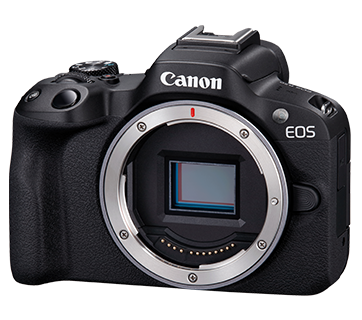
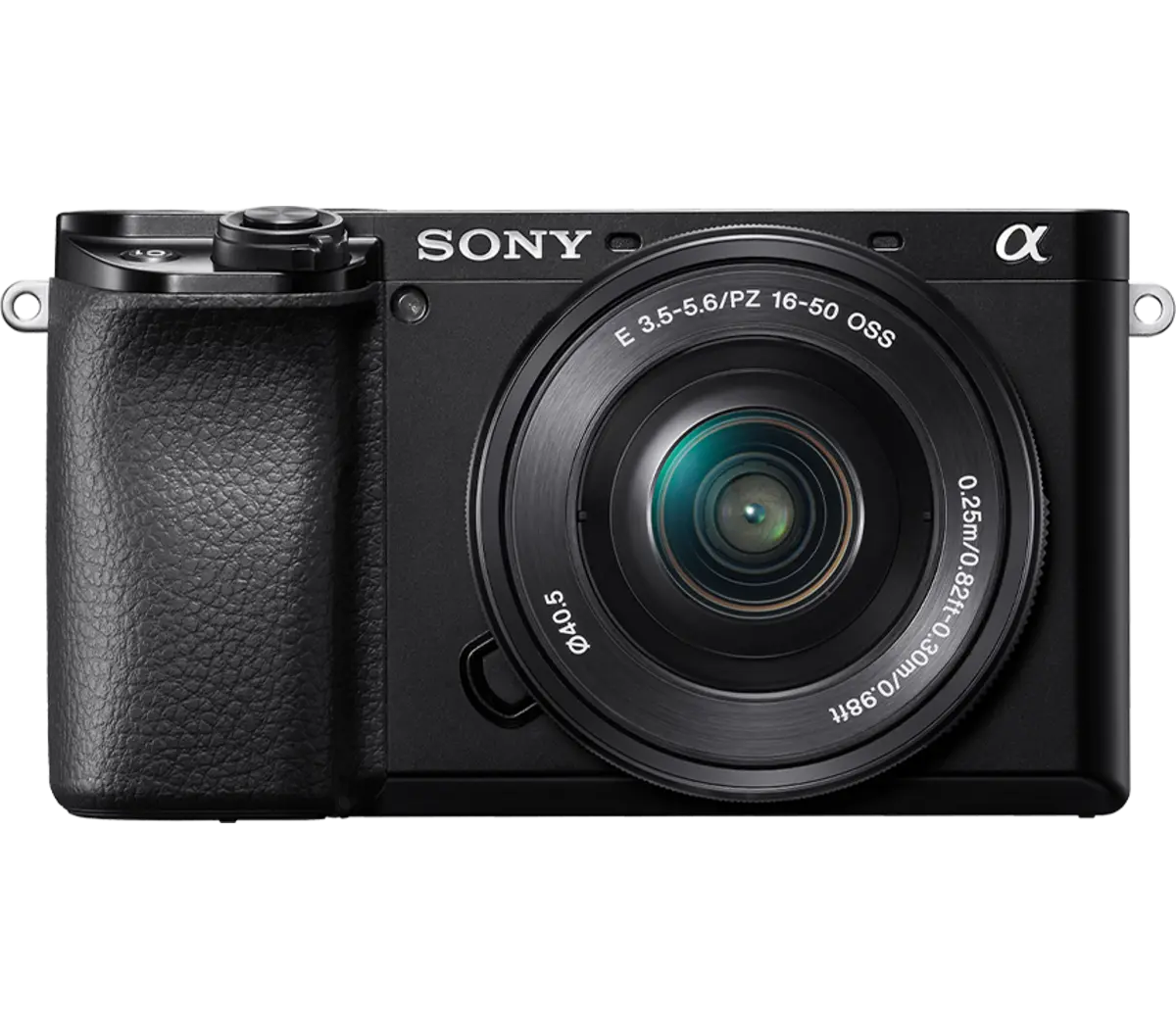
The Canon EOS R50 and the Sony A6100 are two popular mirrorless cameras aimed at photography enthusiasts and casual users alike. Both options deliver impressive image quality and versatile specifications, making them ideal choices for anyone looking to step into the world of interchangeable lens cameras. When choosing between these two models, users often weigh factors such as autofocus performance, video capabilities, battery life, and overall design.
Specifications Comparison
Detailed Comparison
Image Quality
Both the Canon EOS R50 and the Sony A6100 feature APS-C sensors with a resolution of 24 megapixels, which allows for high-quality images with excellent detail. However, the A6100's ISO range extends beyond the R50, offering an expandable range of up to 51,200 compared to Canon's native 32,000. This gives the A6100 a slight edge in low-light situations, allowing for cleaner images at higher sensitivity settings. Yet, the Canon's imaging processing is known for delivering vibrant, natural colors, which can be particularly appealing for those shooting portraits or landscapes.
It's also essential to note that both cameras have similar color science and dynamic range, but they each cater to slightly different preferences. The Canon tends to produce pleasing skin tones right out of the camera, while the Sony may require a bit of post-processing to achieve a similar look. For photographers who prioritize low-light performance, the Sony A6100 may be the better choice, but those focused on color rendering might lean towards the Canon R50.
Overall, while both cameras can deliver excellent image quality, the A6100's advantage in ISO performance gives it a slight edge in this category.
Autofocus System
The autofocus capabilities of the Canon EOS R50 are impressive, featuring 651 autofocus points that provide extensive coverage for fast tracking and accuracy. This sophisticated autofocus system also includes Eye Detection AF for both human and animal subjects, which can be crucial for portrait and wildlife photography. The R50's autofocus performance is generally acclaimed for being quick and reliable under varying lighting conditions.
In contrast, the Sony A6100 employs a 425-point phase-detection autofocus system. While this is effective and fast in most scenarios, it does not match the extensive coverage of the R50. However, the A6100 has proven reliable in real-world situations, and its real-time Eye AF technology also makes it a favorite for portrait shooters.
In summary, while both cameras offer robust autofocus systems, the Canon's higher point count and advanced tracking features give it an edge, especially for users needing precision in fast-paced shooting environments.
Video Capabilities
When it comes to video performance, both the Canon EOS R50 and the Sony A6100 can shoot in 4K at 30 frames per second, providing flexibility for vloggers and content creators. However, the A6100 offers a slight advantage with its ability to capture video in S-Log format, which allows for greater dynamic range in post-processing, making it a more appealing option for serious videographers looking to achieve a cinematic look. The Canon, while capable, lacks this advanced video mode, resulting in less flexibility for color grading.
Furthermore, the A6100's video autofocus is notably superior, providing smooth transitions and tracking during recording. Users often praise the reliability of the autofocus in video mode, which is a significant consideration for those who shoot dynamic subjects or require hands-free performance.
Ultimately, for videographers focused on high-quality post-production, the A6100's features give it an edge over the R50 in this category.
Build & Ergonomics
Both the Canon EOS R50 and the Sony A6100 offer a compact, mirrorless design perfect for travel and everyday use. The Canon R50 is slightly lighter at 375 grams compared to the Sony's 396 grams, which could matter to users looking for the lightest possible option. In terms of dimensions, the R50 is also marginally smaller, making it easier to handle for long shooting sessions.
The layout of the controls is another factor to consider. Canon's interface is generally considered user-friendly, making it more accessible for beginners. The A6100 features a more traditional layout, which may appeal to users transitioning from other Sony models or DSLR users.
Overall, while both cameras are well-built and ergonomically designed, the Canon R50's slightly lighter weight and compact size make it a more portable choice, particularly for travel. However, the decision may ultimately come down to personal preference in handling and control layout.
Battery & Storage
The Canon EOS R50 features a judiciously designed battery life, though specific shot counts are not provided, it is essential to note that mirrorless systems typically require more frequent charging than DSLRs. In contrast, the Sony A6100 boasts an impressive battery life of approximately 420 shots per charge, making it a strong contender for users who prioritize endurance during extended shoots or travel.
Both cameras use similar SD card formats for storage, and they handle file sizes well given their resolution and shooting capabilities. However, if battery life is a significant factor, the A6100 will provide peace of mind for users anticipating long days without access to charging facilities.
In summary, for users prioritizing battery longevity, the Sony A6100 takes the win in this section.
Value for Money
The Canon EOS R50 is priced at $679, making it a reasonably priced option for novice photographers who want to invest in a solid camera system. Its extensive autofocus capabilities, portability, and color science provide a good value for users focusing on photos rather than video. Its recent launch also means that users may benefit from contemporary features and advancements.
On the other hand, the Sony A6100, priced at $750, offers competitive features but at a slightly higher cost. It provides enhanced performance in areas like video capabilities and battery life, making it an excellent value for users who prioritize these aspects.
Ultimately, while the Cannon R50 provides a lower entry price, the slightly higher cost of the A6100 brings added performance and features that justify the investment, especially for users seeking versatile functionality. Both cameras present reasonable value, but their ideal users may differ based on the features that matter most to them.
Our Verdict
Both the Canon EOS R50 and Sony A6100 offer compelling features for aspiring photographers and videographers, reflecting their strengths in different areas. The Canon R50 excels in autofocus performance and portability, appealing to still-image shooters and those looking for an easy-to-use system. Conversely, the A6100 stands out with its video capabilities and excellent battery life. Ultimately, the choice between these two models will depend on individual priorities: those primarily focused on still photography may prefer the R50, while content creators looking for versatile video functionality might lean toward the A6100.
Canon EOS R50
Sony A6100
Also Compare
Frequently Asked Questions
Which camera has better autofocus performance?
The Canon EOS R50 offers superior autofocus performance with 651 points compared to the Sony A6100's 425, making it more suitable for fast-moving subjects.
How do the video features compare between the two?
Both cameras shoot 4K at 30fps, but the Sony A6100 offers S-Log for video, providing greater post-processing flexibility, which may be preferable for serious videographers.
What is the weight difference between the two cameras?
The Canon EOS R50 is slightly lighter at 375 grams compared to the Sony A6100, which weighs 396 grams.
Is one camera better for travel photography?
The Canon EOS R50, being lighter and more compact, tends to be favored for travel photography, making it easier to carry for extended periods.