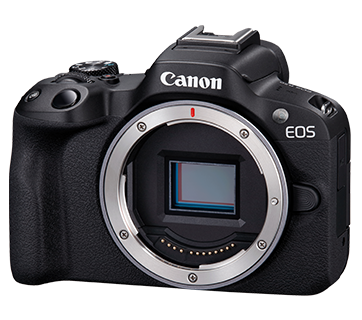
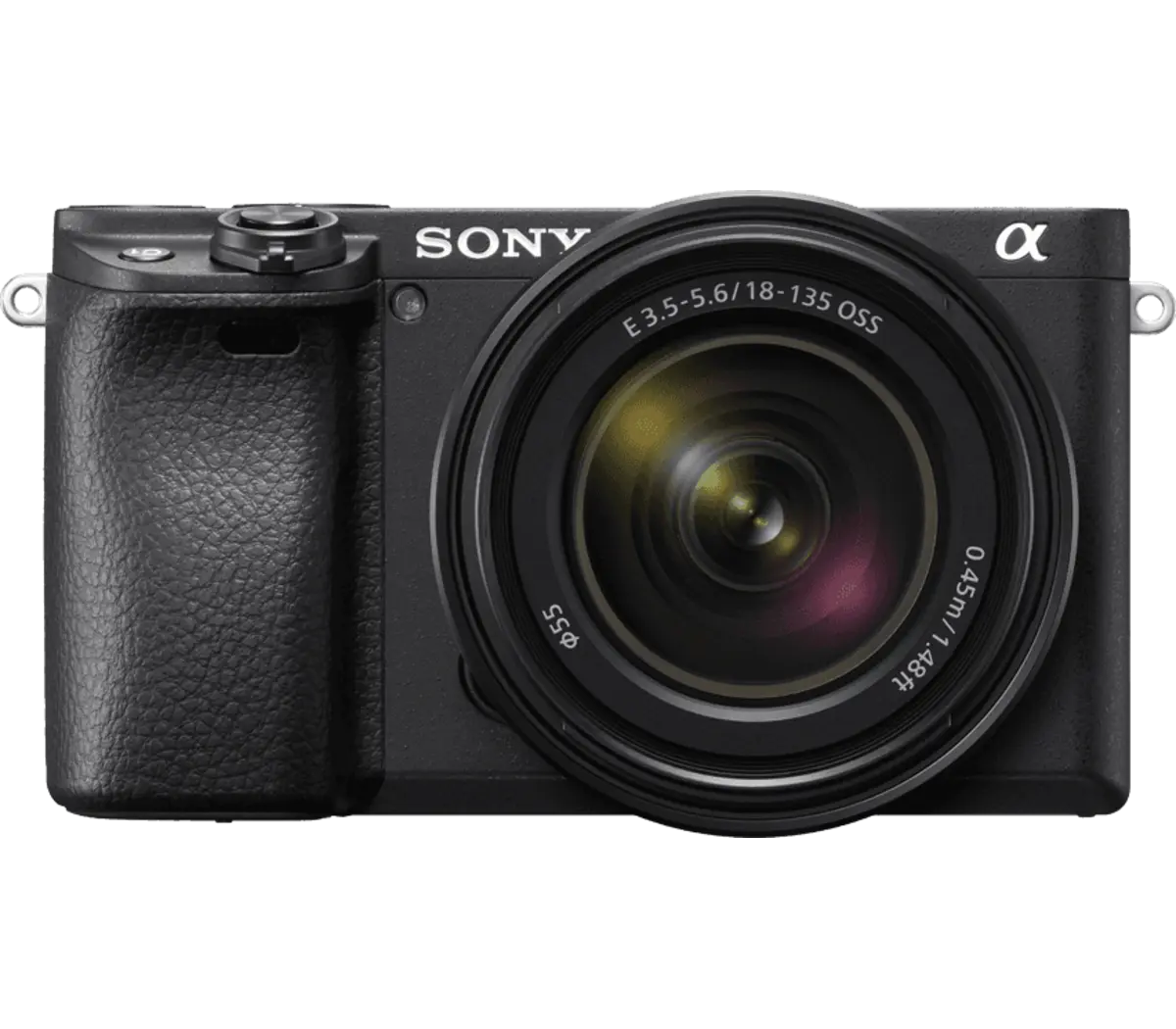
The Canon EOS R50 and the Sony A6400 are both popular choices among aspiring photographers and videographers looking for versatile mirrorless cameras. They target individuals who seek a lightweight, compact system with strong performance features, making them ideal for travel and everyday shooting. With competitive specifications, potential buyers often weigh them against each other, especially when considering factors like autofocus performance, video capabilities, and overall build quality. The Canon EOS R50, released in 2023, is a newer addition to the APS-C segment, while the Sony A6400 has established itself since its 2019 debut, boasting a reliable track record.
Specifications Comparison
Detailed Comparison
Image Quality
Both the Canon EOS R50 and the Sony A6400 feature 24-megapixel APS-C sensors, providing a robust platform for capturing detailed images. However, the slight variation in sensor dimensions gives the Sony A6400 a marginal advantage in capturing wider-angle shots due to its larger sensor size (23.5 x 15.6 mm vs. 22.3 x 14.9 mm). Both cameras perform well in low-light conditions, supporting ISO ranges that extend up to 32,000. The A6400 even expands its range up to 102,800 in auto mode, offering more flexibility in that area. Nevertheless, the image quality remains comparable, with the differences primarily noticeable in extremely low-light scenarios. In practical use, both cameras deliver excellent dynamic range, with detailed colors and texture reproduction. While the Canon R50 is slightly newer and may benefit from improved processing algorithms, the established performance of the A6400 secures its reputation.
Autofocus System
Autofocus is a crucial aspect for any photographer, particularly in fast-paced shooting conditions. The Canon EOS R50 boasts an impressive 651 autofocus points, significantly outperforming the A6400, which comes with 425 points. This extensive coverage in the R50 enables greater accuracy and tracking of subjects, especially during motion. Additionally, Canon's Dual Pixel autofocus technology is known for its speed and reliability in both stills and video. On the other hand, the Sony A6400's autofocus system is not to be underestimated; it features excellent performance with its Fast Hybrid AF, including Real-time Eye AF, which is particularly beneficial for portrait photography. While the R50 offers a wider autofocus point array, the specialized features and performance of the A6400's autofocus system overall generate superior real-world focus tracking, particularly for moving subjects.
Video Capabilities
Both the Canon EOS R50 and the Sony A6400 are capable of shooting 4K video at 30 frames per second, making them suitable for most videography needs. However, there are distinctions in their video-related features. The A6400 provides excellent video performance with features like HLG (Hybrid Log-Gamma) for HDR workflows and has a higher battery life when shooting video, which can be an important consideration for videographers who shoot long takes. Conversely, the Canon R50's video features are aimed at casual creators, and while it does deliver high-quality 4K footage, it lacks some of the advanced options found in the A6400. Given the overall superior video functionalities, the A6400 earns the upper hand.
Build & Ergonomics
In terms of build quality and design, the Canon EOS R50 is lighter at 375g compared to the Sony A6400's 403g and offers slightly more compact dimensions. This difference makes the R50 potentially more appealing for those who prioritize portability. The A6400 is noted for its robust weather-sealing, making it more suited for outdoor shooting in various conditions. Both cameras utilize an electronic viewfinder, however, while the R50 features a screen with 1.62 million dots, the A6400's slightly lower 921,600 dots may deliver less clarity in bright conditions. Ultimately, while the Canon may appeal to those looking for a lighter camera, the rugged design of the A6400 could be a key deciding factor for outdoor enthusiasts.
Battery & Storage
Battery life is another critical consideration, especially for those engaging in long shooting sessions. The Sony A6400 impressively boasts a battery life of approximately 410 shots on a full charge, which outstrips the Canon EOS R50, whose battery life details remain less specified but are typically lower for newer models aimed at casual users. Moreover, the A6400 utilizes the widely compatible NP-FW50 battery, which is readily available and efficient. Both cameras use SD card slots for storage, and while neither includes built-in image stabilization, users typically rely on lenses with stabilization features or tripod use. In this category, the A6400 proves to be the clear winner due to its longer battery life and reliability.
Value for Money
In terms of pricing, the Canon EOS R50 is more economically appealing at $679 compared to the Sony A6400, which retails for $900. The R50 presents an attractive entry point for those who may be new to photography or videography, especially since it provides a contemporary feature set with the latest technology. Although the A6400's performance and build quality justify its higher price point, beginners may find the Canon's value more favorable given the quality it offers at a lower price. Additionally, the longer-term investment might favor the A6400 due to its robust build and performance characteristics. Nevertheless, buyers must weigh their specific needs against their budget.
Our Verdict
Despite the Canon EOS R50 winning in areas like autofocusing and value for money, the overall balance tilts in favor of the Sony A6400. Its robust video capabilities, superior battery life, and weather-sealed body make it ideal for serious videographers and photographers who need a reliable tool for various conditions. That said, the Canon EOS R50 provides excellent value, especially for beginners or casual users who do not require the extensive features offered by the A6400. Ultimately, the choice between these two cameras will depend on the specific needs and priorities of the buyer, whether they prioritize advanced functionalities or budget-friendly options.
Canon EOS R50
Sony A6400
Also Compare
Frequently Asked Questions
Is the Canon EOS R50 more suitable for beginners?
Yes, the EOS R50 is generally more beginner-friendly with its competitive pricing and simpler features, making it easier for new users to navigate.
What is the pricing difference between the two cameras?
The Canon EOS R50 is priced at $679, making it more budget-friendly compared to the Sony A6400, which retails for $900.