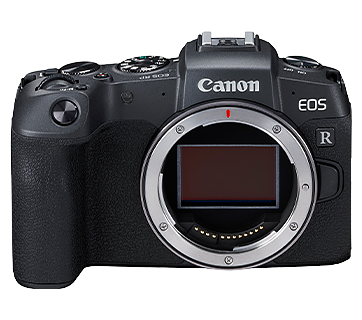
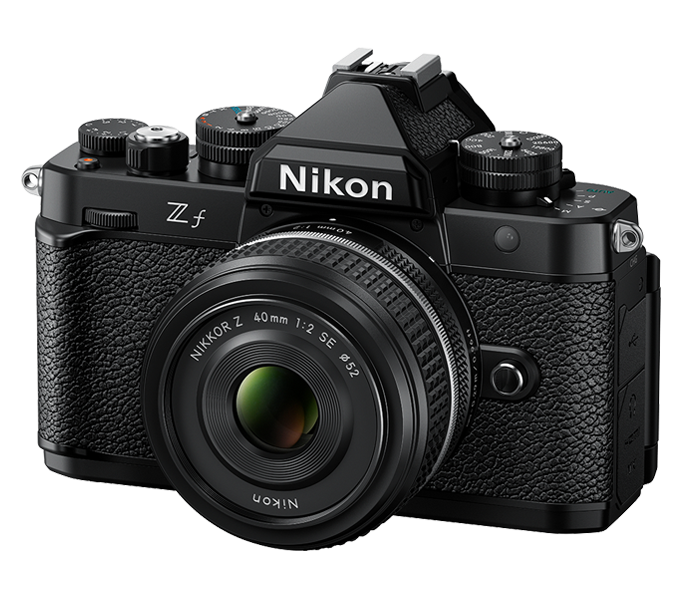
The Canon EOS RP and the Nikon Zf are two full-frame mirrorless cameras that have generated significant interest among photographers and videographers alike. Each offers a unique set of features and specifications that cater to different user needs. Commonly, users might find themselves choosing between these two models based on factors such as budget, intended use, and specific feature sets like autofocus performance or video capabilities. Their differing release years also mean that technology advancements may influence which camera some buyers favor.
At first glance, the Canon EOS RP offers a more affordable price point with a strong emphasis on portability, making it attractive for enthusiasts and travelers. In contrast, the Nikon Zf boasts impressive specifications such as higher frame rates and built-in stabilization, making it particularly appealing to professional videographers and those needing robust performance in diverse shooting conditions. These differentiators ultimately influence the purchasing decision for prospective buyers looking for the best camera for their specific requirements.
Specifications Comparison
Detailed Comparison
Image Quality
Both the Canon EOS RP and Nikon Zf utilize full-frame sensors that deliver excellent image quality, making them suitable for various photographic styles. The EOS RP features a 26MP sensor, while the Zf comes with a slightly lower resolution at 25MP. However, both sensors are renowned for their ability to perform well in low-light situations thanks to their high ISO ranges - the RP offers an impressive sensitivity from 100 to 40,000 (expandable to 102,400), whereas the Zf provides 100 to 51,200. From a practical standpoint, users can expect exceptional detail and dynamic range from both cameras, but the Canon may edge out slightly in scenarios with extreme low light due to its higher ISO capabilities.
Furthermore, while sharpness and color reproduction are excellent on both cameras, the Canon's newer processing algorithms offer vibrant colors that are particularly appreciated in landscape photography. From a real-world perspective, both cameras can satisfy the needs of most users, pushing the boundary of image quality within their price range. Notably, on stringent tests regarding color accuracy and sharpness at high ISO settings, subtle advantages would likely depend on personal preference in image rendering.
In conclusion, while both options are exceptional in image quality, the EOS RP has the upper hand for those who often shoot in low-light conditions and favor vibrant color output, while the Zf will deliver reliable performance in most lighting environments.
Autofocus System
When it comes to autofocus, there's a stark contrast in functionality between the Canon EOS RP and the Nikon Zf. The EOS RP is equipped with a robust Dual Pixel autofocus system with up to 4779 selectable autofocus points, allowing for seamless tracking and quick focus acquisition in various conditions. This extensive point coverage gives it a significant edge, particularly in dynamic scenarios such as events or wildlife photography.
In comparison, the Nikon Zf's autofocus system, making use of 273 points, may not seem as formidable on paper. However, it capitalizes on faster processing speeds and enhanced focus algorithms that make it highly effective for fast-moving subjects, especially in burst mode with its max frame rate of 14 fps. The superior number of points in the EOS RP equates to greater overall coverage, which can benefit users who prioritize flexibility in focus selection, especially in complex compositions where focus might need to shift quickly.
User experiences and capabilities in low-light focusing further highlight differences, with the Canon model performing well even in challenging conditions thanks to its wide selection of focus points spread across the frame. Thus, while both autofocus systems deliver impressive results, the Canon's extensive coverage and low-light performance establish it as the preference for users needing reliable focus metrics in diverse environments.
Video Capabilities
For videographers, one of the standout features of the Nikon Zf is its ability to record 4K video at an impressive 60p, which opens up greater creative possibilities for filmmakers looking to achieve a smooth and cinematic look. In contrast, the Canon EOS RP is limited to 4K recording at 24p, which may suffice for casual video shooters but lacks the versatility that the Zf provides for more serious video applications.
Both cameras support various resolutions and frame rates for full HD video as well, but the added stabilizing features of the Zf, which employs an 8-stop in-body stabilization system, provide significant advantages for handheld shooting. This is particularly useful for those filming vlogs or dynamic scenes where movement is inevitable.
Moreover, while the Canon's video quality holds up well, especially at lower resolutions, it cannot compete with the higher frame rates and stabilization capabilities of the Nikon Zf for advanced video projects. Therefore, for those prioritizing video features, the Nikon Zf is the obvious choice, offering more flexibility and options for creative storytelling.
Build & Ergonomics
When evaluating build quality and ergonomics, the Nikon Zf presents a more robust and heavier design, weighing in at 710g compared to the Canon EOS RP's 485g. The extra weight of the Zf lends itself to a more solid feel, which many photographers might prefer when using larger lenses. Both cameras sport electronic viewfinders, but the Zf's viewfinder offers a sizable resolution advantage, making scene composition easier and more precise for critical focus adjustments.
In terms of size, the EOS RP is more compact, making it an excellent option for users who prioritize portability or travel. Its lighter build reduces fatigue during prolonged use, which is a strong selling point for street and travel photographers. Moreover, the RP features a fully articulating back screen, which enhances usability for photography at odd angles or for videography when framing is paramount, though it does have a lower dot count compared to the Zf's 2,100,000 dots.
Overall, the choice of which camera is more comfortable will depend on personal preference. Serious users may appreciate the heft and control that comes with the Nikon Zf, while casual shooters or travelers might favor the convenience and lighter design of the EOS RP, making it easier to carry throughout the day.
Battery & Storage
Camera longevity is a vital factor for both professional and amateur photographers, and in this category, the Nikon Zf shines with a battery life rated at approximately 380 shots, substantially more than the Canon EOS RP's 250 shots. This means that users can rely on the Zf for longer shooting sessions without the constant need to swap out batteries, which can be particularly beneficial during events or travel where access to power sources may be limited.
Moreover, both cameras utilize SD card slots for storage, but the Zf supports newer UHS-II cards, enabling faster read and write speeds. This can translate into quicker buffer clearing times, allowing users to shoot in fast action situations for longer durations without interruption.
For serious users planning to shoot extensively, the Nikon Zf's superior battery performance and storage capabilities provide more freedom to focus on their creativity rather than constantly worrying about recharging or card write speeds. In this aspect, the Nikon Zf stands out as a clear winner.
Value for Money
When considering value for money, the Canon EOS RP stands out due to its lower price point of $1299 compared to the Nikon Zf's $1999. For many entry-level or enthusiast photographers, the EOS RP presents a more accessible entry into the full-frame mirrorless ecosystem without compromising significantly on performance or image quality. Its affordability may allow users to invest more in lenses or accessories to enhance their photography experience.
On the other hand, while the Nikon Zf is positioned at a higher price, it offers advanced features that cater more to professional users - namely 4K at 60p, 8 stops of stabilization, and better battery life. These features can justify the investment for those who rely heavily on video capabilities or require robust camera functionality in fast-paced environments.
Choosing the best camera should not only depend on the initial purchase price but also on the value derived from its features relevant to the user's needs. In essence, while the EOS RP offers great value for casual shooters, the Zf yields substantial value for videographers and serious photographers seeking long-term durability and versatility.
Lens Ecosystem
Both Canon and Nikon have established solid lens ecosystems supporting their respective mounts with a wide array of native lenses. The Canon RF mount, utilized by the EOS RP, boasts a growing selection of lenses that are praised for their optical quality and innovative design. However, some RF lenses can be costly, potentially making it difficult for newcomers to build an affordable lens collection initially.
In contrast, the Nikon Z mount offers a similar range of lenses, but it's worth noting that Nikon's selection, while smaller than Canon's RF mount, is still expanding rapidly and encompasses a number of versatile options, including its premium S-Line lenses that are known for exceptional optics. Additionally, third-party lens manufacturers are increasingly supporting the Z mount, providing affordable alternatives for budget-conscious users.
Ultimately, the choice between ecosystems may depend on individual preferences and specific lens requirements. While both systems feature robust lenses, the Canon RF mount might be slightly more enticing for users seeking an expansive selection. However, the Nikon Z mount's ongoing expansion, coupled with a variety of third-party options, offers adequate coverage, making neither system a clear victor in this arena.
Our Verdict
Overall, the Canon EOS RP emerges as the winner when considering the balance of features and performance for the price. It delivers solid image quality, extensive autofocus options, and reasonable ergonomics, making it more appealing for enthusiasts and everyday shooters. Meanwhile, the Nikon Zf, with its exceptional video capabilities and stabilization features, clearly excels in professional settings where those attributes are essential. Therefore, for users prioritizing budget or image performance, the EOS RP is the recommended choice, while the Zf remains an excellent option for professionals looking for high-end videography features.
Canon EOS RP
Nikon Zf
Also Compare
Frequently Asked Questions
Which camera is better for low-light photography?
The Canon EOS RP has a higher ISO range (expandable to 102,400) compared to the Nikon Zf, which may provide better performance in low-light scenarios.
Is the Nikon Zf worth the extra cost?
The Nikon Zf offers advanced video features like 4K 60p and in-body stabilization, making it worthwhile for videographers and professionals who require those capabilities.
Which camera is more portable?
The Canon EOS RP is lighter and more compact, making it a better choice for travel and street photography where weight matters.
How do their autofocus systems compare?
The Canon EOS RP has significantly more autofocus points (4779) compared to the Nikon Zf (273), providing a wider focus coverage for various shooting scenarios.
Can I use Canon or Nikon lenses on these cameras?
Both cameras use proprietary mounts (Canon RF and Nikon Z), but you can find native lenses for each from their respective manufacturers along with third-party offerings.