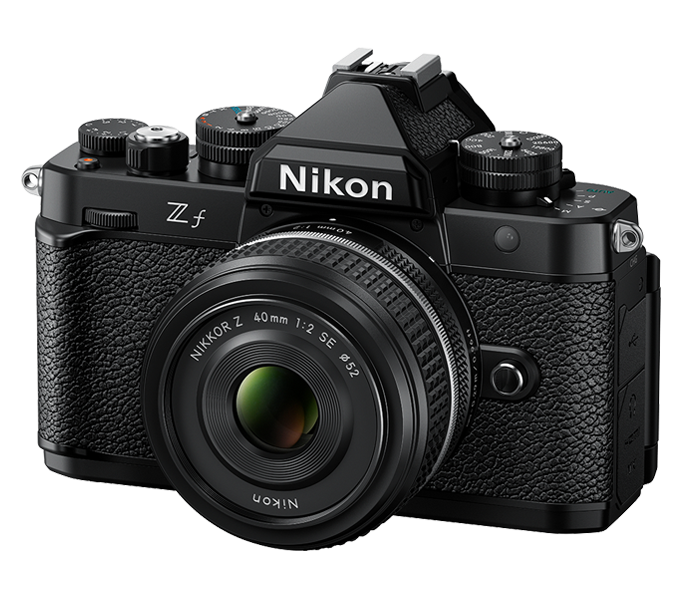
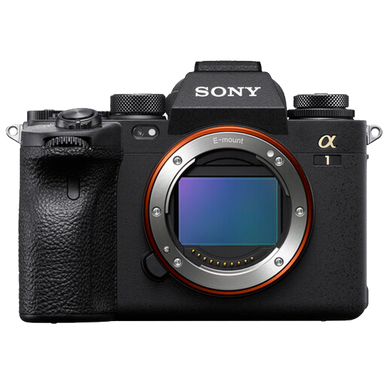
The Nikon Zf and Sony A1 are two high-end mirrorless cameras that appeal to professional photographers and advanced enthusiasts alike. Both are full-frame models that boast impressive specifications, making them formidable contenders in their respective niches. Buyers are often caught between these two cameras due to their advanced capabilities, rich feature sets, and unique strengths that cater to different styles of photography and videography. The Nikon Zf offers a classic aesthetic paired with modern technology, while the Sony A1 pushes the boundaries of resolution and speed, making it a powerhouse for those needing high performance in diverse scenarios.
Key differentiators include the Nikon Zf's more traditional approach with a lower megapixel count and enhanced stabilization, appealing to those who prioritize ergonomics and usability. On the other hand, the Sony A1 stands out with its impressive 50-megapixel sensor and faster burst shooting capabilities, making it more suitable for high-resolution images and fast-paced action. This provides potential buyers with a clear understanding of which model may better suit their specific needs and preferences.
Specifications Comparison
Detailed Comparison
Image Quality
The Nikon Zf features a 25-megapixel full-frame sensor, adequate for producing high-quality images with excellent dynamic range and color accuracy. While it may not deliver the ultra-high resolution of its rival, it still produces very sharp and detailed photos suitable for a variety of applications. The lower megapixel count often results in better low-light performance due to larger pixel sizes and less overall noise.
In contrast, the Sony A1 boasts a significantly higher resolution with its 50-megapixel sensor, allowing for stunning detail retention, which is particularly beneficial for large prints and extensive cropping. This high resolution does come with a trade-off; in certain scenarios, it may result in increased noise when increasing ISO levels. However, the A1's expanded ISO range allows it to perform exceptionally well in low-light situations despite the higher megapixel count.
Overall, while both cameras produce excellent image quality, the Nikon Zf is more user-friendly in low-light conditions, while the Sony A1 excels in resolution. Therefore, this aspect could largely depend on the photographer's intended use.
Autofocus System
The Nikon Zf is equipped with a robust autofocus system that features 273 autofocus points, providing sufficient coverage for most shooting situations. This system benefits from Nikon's latest advancements in focusing technology, allowing for reliable tracking in various lighting conditions. The autofocus performance is generally speedy and accurate, supporting both still photography and video recording effectively.
On the other hand, the Sony A1 boasts an impressive 759 autofocus points, often considered one of the most advanced autofocus systems available today. Its superior point coverage enables the camera to achieve rapid and precise focusing, which is especially advantageous for fast-moving subjects. The A1 also incorporates real-time eye autofocus for both humans and animals, a considerable benefit for portrait and wildlife photographers.
Given the technological advancements in the A1's autofocus capabilities and its superior point count, the Sony A1 takes the lead in this category. Photographers requiring fast and effective autofocus tracking for dynamic scenes will find the A1 to be a compelling choice.
Video Capabilities
Both cameras offer impressive video capabilities, but they target different videographer needs. The Nikon Zf can record in 4K at 60 frames per second, which provides smooth video output and is classified as a great option for those focused on general videography, such as vlogs or documentaries. The in-body image stabilization of 8 stops also significantly enhances handheld shooting, allowing for a more stable video experience.
In comparison, the Sony A1 offers superior video capabilities with the ability to capture 4K at 120 frames per second. This high frame rate is perfect for slow-motion video and will be particularly appealing to professionals looking to create high-quality content with intricate details. While the A1 has a lower stabilization rating of 5.5 stops, its video features, including S-Cinetone and advanced 10-bit recording options, make it an excellent choice for filmmakers who demand flexibility and quality in their moving images.
Therefore, if video quality and high frame rate are priorities, the Sony A1 emerges as the clear winner in video capabilities.
Build & Ergonomics
The Nikon Zf's design centers on user comfort, featuring a classic aesthetic with a robust grip that many photographers appreciate. The materials used in construction are of high quality, enhancing the overall feel and durability. Its weight is slightly lower than that of the A1, which can be a plus for prolonged shooting sessions. The Zf also boasts an intuitive control layout, making it easier to access settings on the fly.
In contrast, the Sony A1 sports a more modern design with a slightly bulkier form factor and is equipped with weather-sealing which appeals to those who often shoot in harsh conditions. Its layout is tailored more toward customization and quick access to settings, although some users may find it less ergonomic in comparison to the Zf. The A1's sophisticated build is well-suited for pro-level use in various environments.
While both cameras provide valuable ergonomics for their respective users, the preference between them largely comes down to individual taste in design and control availability, leading to a more subjective evaluation regarding comfort.
Battery & Storage
The Nikon Zf provides a respectable battery life, capable of capturing approximately 380 shots on a full charge. This performance, while decent, may require frequent battery swaps or charging sessions for users who shoot extensively throughout the day. Additionally, the Zf uses the Z mount for its lenses, which has a growing selection but still trails behind the more established E mount.
The Sony A1 excels in both battery life and storage capacity, offering around 530 shots per charge. This extended life is a significant advantage for those involved in long shoots, such as events or wildlife photography. Furthermore, the A1 uses the more prolific Sony E mount, giving photographers access to a wider range of lenses and accessories that complement different shooting styles.
Considering the battery life and overall lens ecosystem, the Sony A1 offers more versatility, especially for users needing extended shooting times and greater variety in lens options.
Value for Money
At a price point of $1999, the Nikon Zf provides a compelling option for photographers seeking quality without breaking the bank. Coupled with its solid features and performance metrics, the Zf emerges as an attractive choice for enthusiasts who desire a well-rounded camera that offers excellent image quality and usability without the extra frills.
In comparison, the Sony A1, with a price tag of $6500, targets a different segment of the market where absolute performance is paramount. For professionals requiring high-resolution images, rapid autofocus, and extensive video capabilities, the A1 justifies its premium pricing by delivering top-tier performance across various use cases. However, its elevated cost may not be feasible for a broader audience.
Considering the disparity in price and the corresponding feature sets, the Nikon Zf provides better value for money, while the A1 is an investment for those who can capitalize on its advanced capabilities and need the highest performance available in the market.
Our Verdict
While both the Nikon Zf and Sony A1 have their strengths, the A1's superiority in resolution, autofocus, video capabilities, and battery life positions it as the overall winner for professionals who require excellence in critical areas. The Nikon Zf, however, is not to be underestimated, offering great value for money and usability; it appeals especially to enthusiasts who prioritize comfort and a classic design. Depending on the specific needs of the photographer-be it extensive video work, high-resolution imagery, or effective usability-the right choice varies.