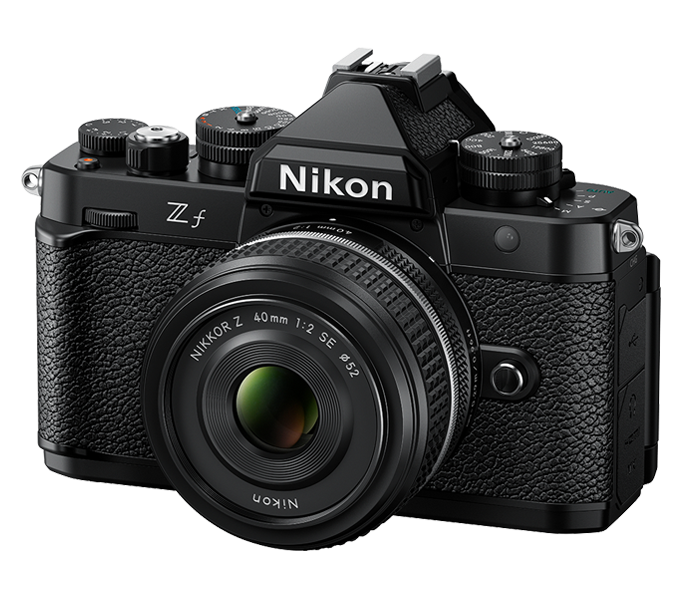
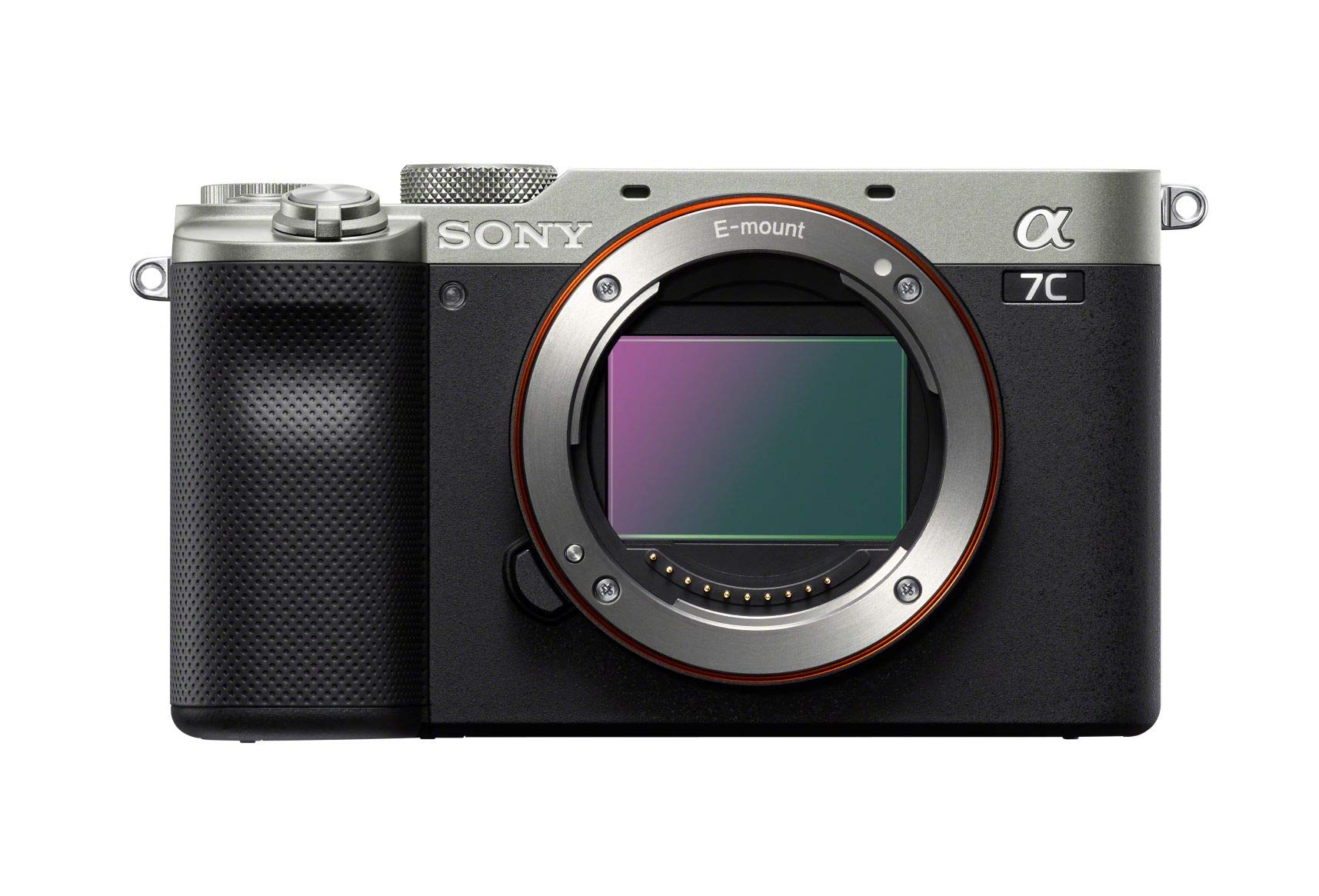
The Nikon Zf and Sony A7C are two compelling full-frame mirrorless cameras that have attracted a lot of attention from enthusiasts and professionals alike. Both cameras offer unique features that appeal to different types of photographers, making them frequently compared, particularly among those wanting a blend of portability, image quality, and advanced capabilities. Key differentiators between the two include the autofocus systems, video capabilities, and body design, which ultimately affect usability and user experience.
Specifications Comparison
Detailed Comparison
Image Quality
When it comes to image quality, both the Nikon Zf and Sony A7C excel, but there are nuances in their specifications that may appeal to different users. The Nikon Zf features a 25-megapixel sensor compared to the A7C's 24-megapixel sensor. While the difference in megapixels is slight and likely not noticeable in most scenarios, the Zf's sensor is slightly larger in dimension, which can contribute to better low-light performance and dynamic range. Moreover, Nikon's color science is often praised for natural skin tones which could be a decisive factor for portrait photographers.
On the other hand, the Sony A7C, with a slightly lower resolution, compensates by having a remarkably wide ISO range that extends down to 50 and up to 204,800 with expansion. This flexibility allows videographers and low-light shooters to capture exceptional quality in challenging light conditions. In practical use, both cameras will deliver excellent shots in various situations, but the Zf might slightly edge out in terms of overall crispness given its higher megapixel count.
Autofocus System
Autofocus is another critical area where these models differ significantly. The Nikon Zf boasts 273 autofocus points which provide competent coverage and tracking but fall short compared to the Sony A7C's impressive 693 autofocus points. The A7C's advanced autofocus system, which includes features like real-time tracking and eye autofocus, generally outperforms the Zf, especially in fast-moving scenarios or when capturing wildlife.
Real-world users of the A7C often report snappier focus acquisition, particularly in challenging lighting conditions. While the Zf's autofocus is reliable, it lacks the sophisticated tracking algorithms that make the A7C a favorite among action and sports photographers. In this section, it is clear that the sheer number and quality of the A7C's autofocus points provide a more robust option for those who prioritize fast and accurate focus.
Video Capabilities
When comparing video capabilities, the Nikon Zf takes the lead with its ability to shoot 4K at 60 frames per second, catering to content creators who want smooth, high-definition video. This feature is particularly valuable for those making vlogs or cinematic content who wish to achieve a professional look. The Zf also supports various video codecs, which adds versatility for filmmakers.
The Sony A7C, however, can record in 4K up to 30 frames per second. While 30 fps is generally sufficient for many applications, the inability to record at higher frame rates can be a limitation for those seeking to create impactful slow-motion footage. Additionally, it lacks some of the advanced video codec options provided by the Nikon Zf. Hence, for videographers, especially those who value frame rate variation, the Zf emerges victorious.
Build & Ergonomics
In terms of build and ergonomics, the Sony A7C is designed to be exceptionally compact and lightweight, weighing only 509 grams, making it one of the most portable full-frame cameras available. Its dimensions also contribute to an easy-to-handle design, appealing to those who need a lightweight camera for travel. However, the A7C's smaller grip may not feel as comfortable for extended periods, particularly with larger lenses.
Conversely, the Nikon Zf, while heavier at 710 grams, features a more substantial grip that many users find more secure during long shooting sessions. The added weight may be a drawback for some but can benefit those using the camera with heavier lenses. Additionally, the Zf is designed with an aesthetically pleasing retro vibe that includes a dedicated mode dial, appealing to photographers who appreciate tactile controls. Ultimately, the choice in this aspect comes down to personal preference regarding handling and ergonomics.
Battery & Storage
Battery life is a significant concern for photographers, especially during long shoots. The Sony A7C excels in this department, boasting a rated battery life of 740 shots, which exceeds the Nikon Zf's 380 shots significantly. This endurance can be vital during events or when traveling, where charging opportunities may be limited.
Both cameras utilize similar storage options, supporting SD UHS-II cards. However, the extra battery life provided by the A7C allows for extended shooting durations, making it a more practical choice for busy photographers or videographers who do not wish to carry spare batteries constantly. In conclusion, the A7C clearly provides the advantage in battery endurance, making it the better choice for those prioritizing longevity during shoots.
Value for Money
Evaluating overall value, the Nikon Zf is priced at $1999, while the Sony A7C is slightly more affordable at $1799. The extra $200 for the Nikon Zf provides more advanced video specs and a superior autofocus performance, which could justify the investment for serious photographers and videographers.
However, the value depends heavily on the user's needs. If a photographer values portability and longer battery life, the A7C stands out as a more economically appealing option. For someone focused on video capabilities and higher resolution, the Zf might be worth the extra cost. Ultimately, both cameras provide excellent value, but their worth is contingent upon the specific requirements of the user.
Our Verdict
Overall, while both the Nikon Zf and Sony A7C have compelling features that cater to different needs, the Nikon Zf emerges as the overall winner due to its superior video capabilities and image quality. It is an excellent choice for videographers and photographers who require high performance in both stills and video. The Sony A7C, however, is still a strong contender with its compact design and exceptional battery life, making it suitable for travel and everyday photography where weight and shooting longevity are paramount. Each camera excels in its own right, and the best choice ultimately depends on the specific needs and shooting styles of the user.
Nikon Zf
Sony A7C
Also Compare
Frequently Asked Questions
Which camera is better for low-light photography?
While both cameras offer excellent low-light performance, the Nikon Zf's higher megapixel count and sensor design may provide slightly better results. However, the Sony A7C's extended ISO range can perform exceptionally well in challenging conditions.
Which camera is better for video?
The Nikon Zf is superior for video, offering 4K 60p recording capabilities that outshine the A7C's 4K 30p capability. This makes the Zf the better choice for videographers.
Is the Sony A7C good for beginner photographers?
Yes, the Sony A7C's lightweight design and intuitive interface make it a great choice for beginners. Its autofocus system also supports various photography styles, enhancing user experience.
How do the lens ecosystems compare?
The Nikon Z mount system is rapidly expanding with new lenses, suitable for both the Zf and future models. Sony, being in the market longer, boasts a more extensive lens selection, providing diverse options for A7C users.
Is battery life a significant factor?
Yes, battery life can be crucial for long shoots. With a battery life of 740 shots, the A7C significantly outperforms the Zf's 380, making it a better option for those needing extended use without frequent battery changes.