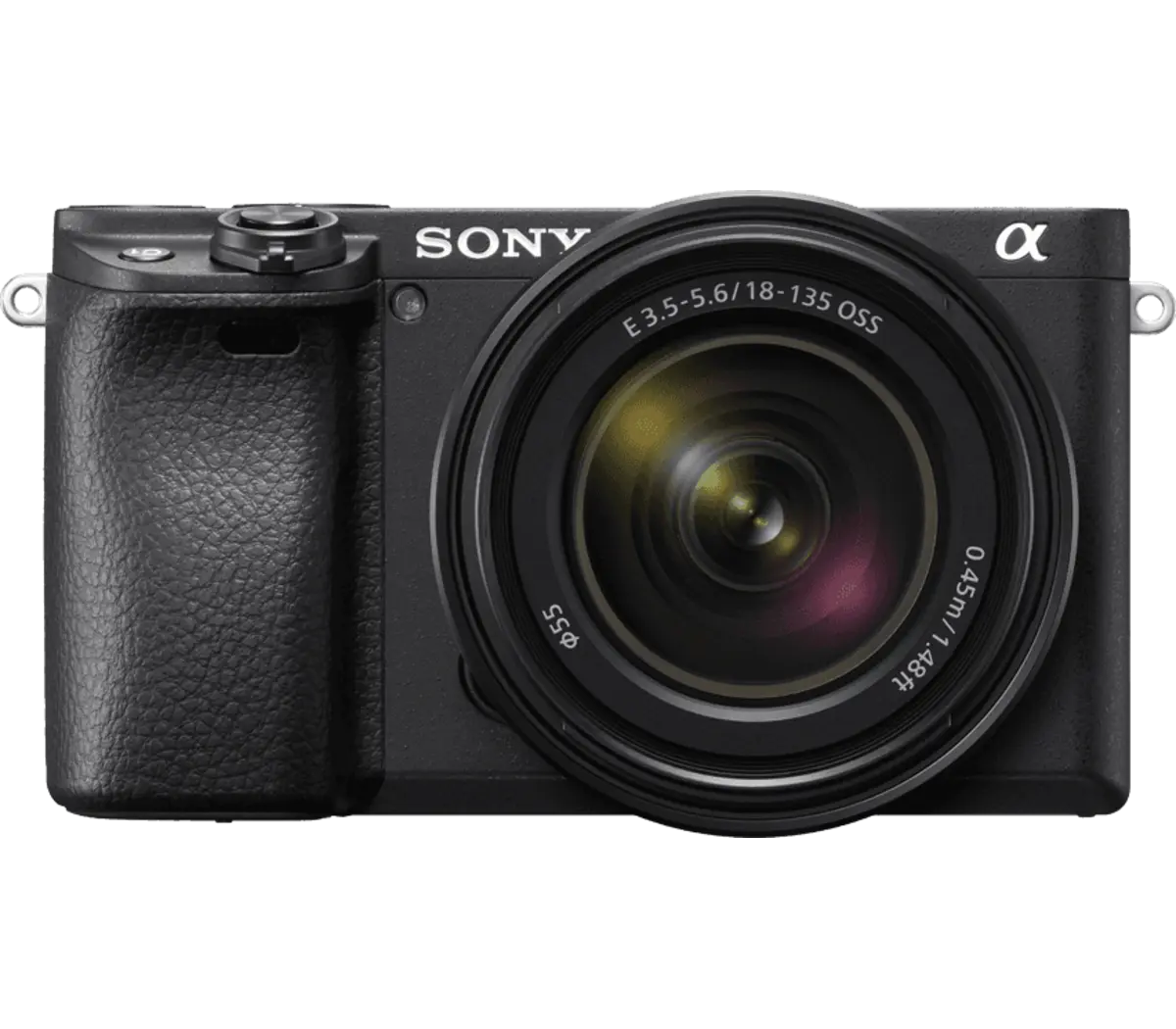
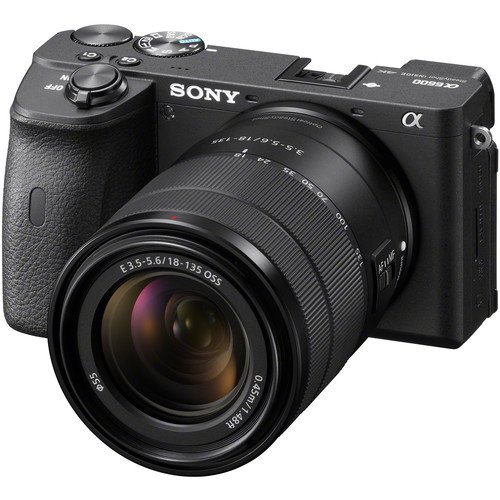
The Sony A6400 and A6600 are two highly regarded mirrorless cameras in Sony's APS-C lineup, attracting both amateur and professional photographers. While both cameras share a similar core design and specifications, subtle but significant differences make them suited to different users. Buyers often find themselves choosing between these two because they both offer excellent image quality and features suited for a variety of shooting scenarios yet differ primarily in stabilization, battery life, and ergonomics.
Specifications Comparison
Detailed Comparison
Image Quality
Both the Sony A6400 and A6600 utilize a 24-megapixel APS-C sensor, delivering excellent image quality with remarkable detail and color accuracy. They both feature the same ISO range, providing low-light capabilities that expand up to ISO 102800. Images from both cameras perform well across the ISO range, allowing for flexibility in different lighting conditions. However, since image quality is largely dependent on the sensor, both cameras render similar performance in this regard, producing images that satisfy most photographic needs.
Autofocus System
Both models boast an impressive Fast Hybrid AF system with 425 phase-detection and contrast-detection points. This allows for quick and reliable focusing, especially in dynamic shooting situations. However, the A6600's autofocus capabilities are enhanced by its in-body stabilization, working together with the AF system to minimize camera shake, which can be particularly useful for handheld shooting. This advantage makes the A6600 slightly better in situations where quick adjustments to focus are needed and helps improve overall stability during video recordings.
Video Capabilities
Both the A6400 and A6600 are capable of recording 4K video at 30 frames per second, offering excellent quality for videographers as well. They both feature the same video codec options and provide a clean HDMI output, making them suitable for professional use. However, the A6600's inclusion of sensor-shift image stabilization gives it an edge in smooth video performance, particularly in handheld recording situations. The A6400, while still functional for video, may struggle to keep footage as steady without additional stabilization equipment, making the A6600 a better choice for dedicated video work.
Build & Ergonomics
In terms of build quality, both models are weather-sealed, making them robust options for shooting in various conditions. However, the A6600 features a deeper grip, which offers enhanced ergonomics for prolonged handling, especially when using larger lenses. This makes the A6600 a more comfortable choice for users who plan to shoot for extended periods. Additionally, the A6600 has a slightly larger body, which can contribute to a better balance when paired with heavier lenses. Overall, while both cameras are durable, the A6600 just edges out with better ergonomics.
Battery & Storage
Battery life is another area where the A6600 shines, with a rated lifespan of 810 shots, nearly double that of the A6400's 410 shots. This extended battery life is a significant plus for photographers who shoot extensively throughout the day without access to charging facilities. Additionally, both cameras support dual SD card slots, which can be a boon for those needing extra storage. However, due to the A6400's shorter battery life, it may necessitate carrying spare batteries for long shoots, detracting from its portability.
Value for Money
Priced at $900, the A6400 is appealing for those who want high performance without breaking the bank, making it a great entry-level or mid-range option. It offers a compelling array of features that cater well to casual photographers and videographers. The A6600, at $1400, is priced at a premium but offers additional features such as in-body stabilization and longer battery life that can justify the cost for serious enthusiasts and professionals. Ultimately, the value analysis depends on the buyer's needs; for casual users, the A6400 provides excellent value, while the A6600 would appeal to those requiring advanced features.
Our Verdict
The overall comparison reveals that while both cameras share many fundamental features, the A6600 is the superior choice for users prioritizing advanced video capabilities, battery life, and superior ergonomics. It is ideal for those who plan to film extensively and prefer more comfort during extended shooting sessions. On the other hand, the A6400 offers excellent value for money, making it more suitable for beginners or hobbyists who may not require the refined features of the A6600. Ultimately, the choice depends on the individual needs and workflows of potential buyers.
Sony A6400
Sony A6600
Also Compare
Frequently Asked Questions
Is the A6600 worth the extra cost over the A6400?
The A6600 offers advantages such as in-body stabilization, better battery life, and improved ergonomics, which may be worth the extra cost for professionals or avid videographers. If you primarily take photos or have a tighter budget, the A6400 remains an outstanding choice.
Can both cameras shoot 4K video?
Yes, both the A6400 and A6600 can capture 4K video at up to 30 frames per second, providing excellent video quality for most users.
Which camera has better autofocus for fast-moving subjects?
Both cameras feature a similar autofocus system, but the A6600's sensor-shift stabilization can provide additional stability while focusing on fast-moving subjects, enhancing its performance in challenging conditions.
Are both cameras suitable for vlogging?
Both cameras can serve well for vlogging, but the A6600's stability features and extended battery life make it a more favorable choice for long vlogs or dynamic shooting situations.