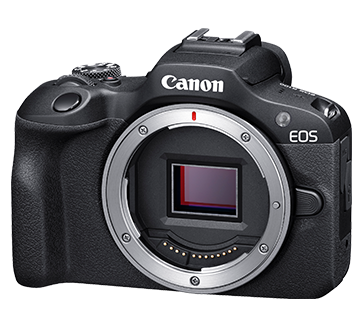
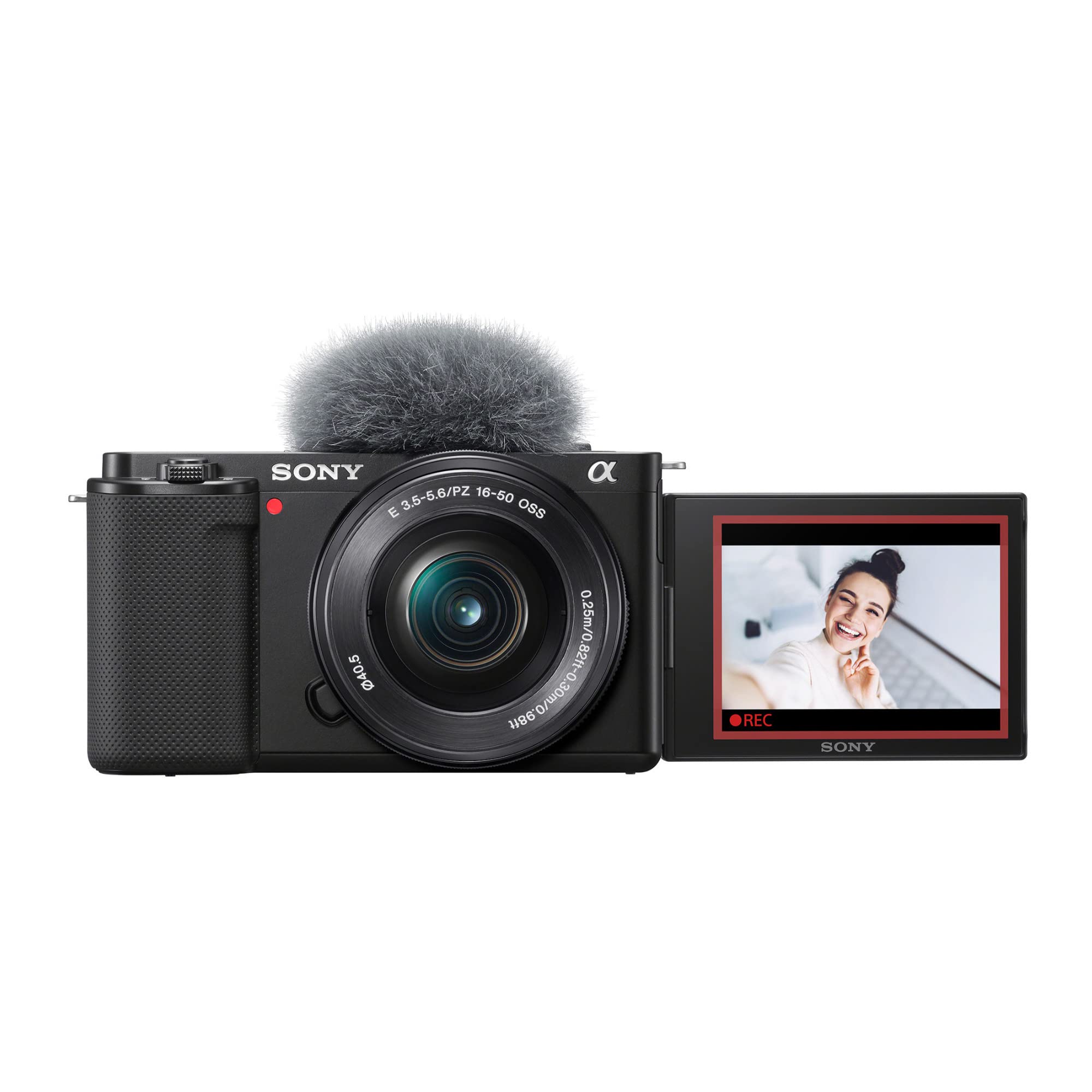
The Canon EOS R100 and the Sony ZV-E10 are both popular choices for entry-level photographers and vloggers alike, making them frequently compared models in the camera market. Buyers typically gravitate towards these two options for their combination of features, image quality, and price point, with each camera appealing to different user needs. Key differentiators between them include autofocus capabilities, video performance, and ergonomic design, which are essential for those determining which model aligns best with their shooting style and intended use.
Specifications Comparison
Detailed Comparison
Image Quality
Both the Canon EOS R100 and the Sony ZV-E10 utilize an APS-C sensor with 24 megapixels, allowing them to capture images with excellent detail and clarity. The R100 features an ISO range from 100 to 12800, which is adequate for various lighting conditions. Meanwhile, the ZV-E10 has a notably broader ISO range of Auto, 100-32000, and can even be expanded to 50-51200, giving it an edge in low-light situations. This allows users to push the limits of their photography in dim environments, which could be particularly valuable for vlogging at dusk or indoor shooting. Overall, both cameras provide great image quality, but the extended ISO performance of the ZV-E10 might appeal more to those frequently shooting in challenging lighting.
Autofocus System
When it comes to autofocus systems, the Sony ZV-E10 showcases a significantly more advanced setup with 425 autofocus points compared to the 143 autofocus points available on the Canon EOS R100. The ZV-E10 also benefits from fast hybrid autofocus technology, which is known to be reliable for both photography and video applications. This advantage makes the ZV-E10 particularly suited for content creators and vloggers who need fast and accurate face detection and tracking. In contrast, the R100's autofocus is decent but may not perform as well in fast-paced shooting environments, which could be a drawback for those aiming to capture dynamic scenes or subjects on the move.
Video Capabilities
The video capabilities of the ZV-E10 are more advanced, supporting 1080p video at 24fps. While the R100 also provides excellent still image quality, it lacks the significant video features found in the ZV-E10, such as a lack of internal stabilization and more versatile video settings. The ZV-E10 was designed with vloggers in mind, featuring a flip-out screen, a microphone input, and optimized video performance for content creation. The absence of any dedicated video elements on the R100 makes it less versatile in this section, positioning the ZV-E10 as the preferred option for users focused on video. Overall, for those prioritizing video production, particularly for platforms like YouTube, the ZV-E10 stands out.
Build & Ergonomics
The Canon EOS R100 is slightly bulkier and heavier than the Sony ZV-E10, weighing 356g compared to the ZV-E10's 343g. In terms of size, the R100 measures 116 x 86 x 69 mm, making it a bit larger than the ZV-E10 at 115 x 64 x 45 mm. While both cameras feel sturdy, the R100 provides an electronic viewfinder which can be advantageous in bright conditions, providing a clear view of the scene while composing shots. On the contrary, the ZV-E10 lacks a viewfinder, which might limit its usability in bright sunlight for some users. However, the ZV-E10 features a fully articulating touchscreen, enhancing its usability for vlogging or various shooting angles. Depending on user preferences for weight and compactness, this category can be subjective.
Battery & Storage
In terms of battery life, the Sony ZV-E10 excels with a capacity for 440 shots on a single charge, which is quite impressive for a mirrorless camera. The Canon EOS R100, while not specified, might offer lesser longevity due to its slightly higher weight impacting efficiency. Both cameras support SD card storage, but the ZV-E10's effective battery life gives it an edge in terms of extended shooting sessions. This aspect is particularly crucial for content creators who may spend long hours filming and cannot afford frequent battery changes. Therefore, when considering usage over time, the ZV-E10 is more reliable.
Value for Money
Price-wise, the Canon EOS R100 is significantly cheaper at $480 compared to the Sony ZV-E10, which retails for $700. This lower price point may make the R100 a more appealing choice for beginners or casual users who appreciate a camera capable of producing quality images without complex features. However, buyers must weigh the increased price of the ZV-E10 against its enhanced features, especially for video capabilities, advanced autofocus, and improved battery life, which may justify the investment for more serious users or vloggers. Ultimately, the R100 offers sweeter value for those focused solely on photography while the ZV-E10 presents a strong case for more versatile applications.
Our Verdict
In summary, while the Canon EOS R100 offers great value for those primarily interested in photography at a budget price, the Sony ZV-E10 ultimately earns the title here due to its more comprehensive feature set that addresses the needs of modern content creators. Its superior autofocus system, enhanced video capabilities, and impressive battery life make it the better choice for vloggers and those who require more versatile shooting options. For users primarily focused on still photography without the need for advanced video features, the R100 could still be a solid option.