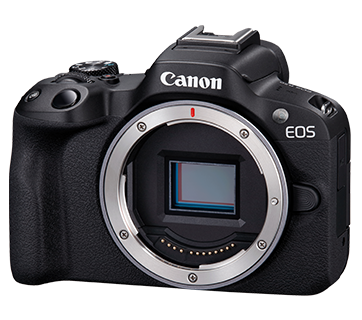
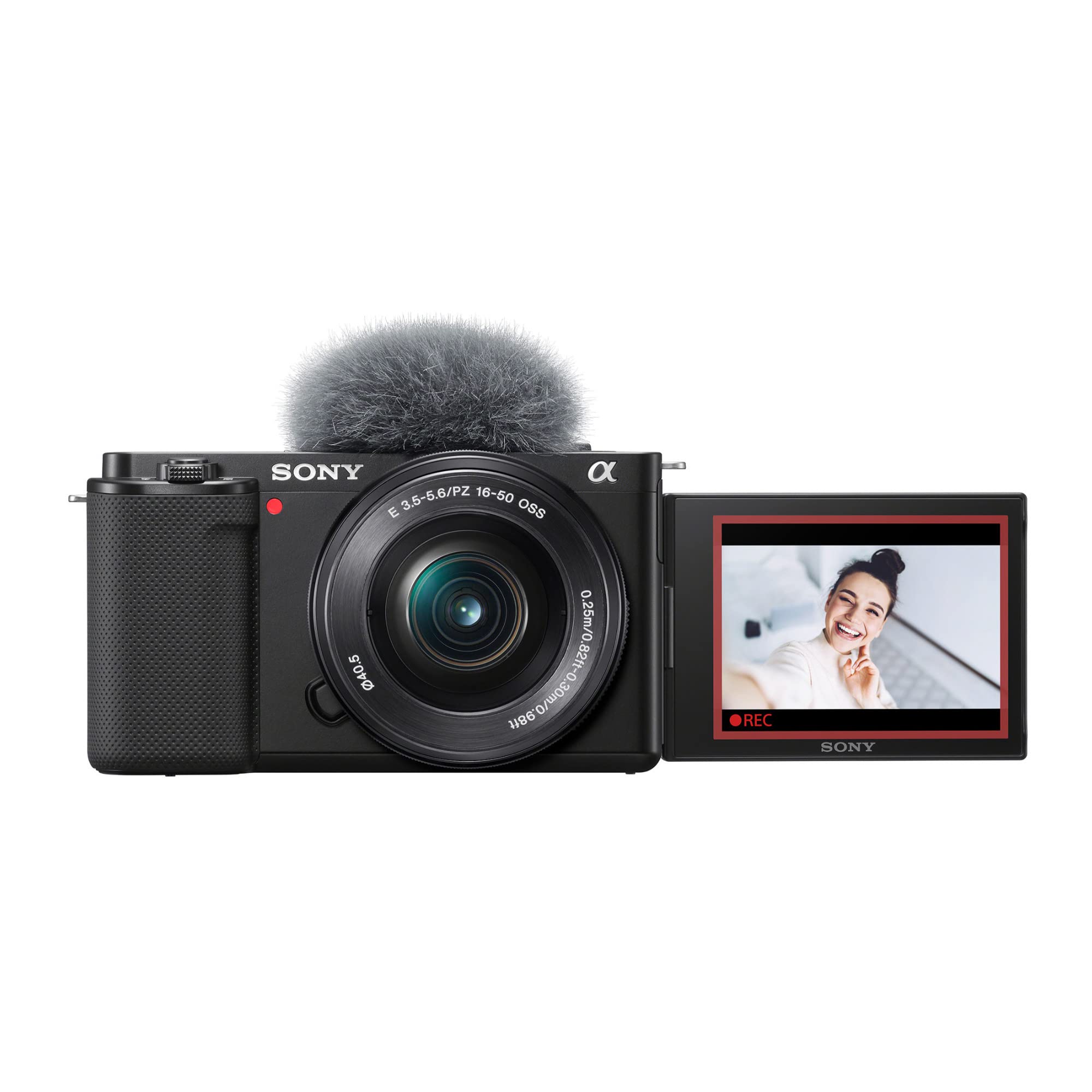
The Canon EOS R50 and the Sony ZV-E10 are two popular options in the mirrorless camera market, targeted primarily at entry-level photographers, vloggers, and content creators. Both models offer robust features, making them attractive choices for those looking to step up from a smartphone or a compact camera. Shoppers often find themselves choosing between these two models due to their similar price points, competitive specifications, and brand loyalty. Key differentiators include sensor characteristics, autofocus performance, video capabilities, and overall build quality. Each camera has its unique strengths, catering to different user preferences and scenarios.
Specifications Comparison
Detailed Comparison
Image Quality
Both the Canon EOS R50 and the Sony ZV-E10 feature APS-C sensors and 24 megapixels of resolution, which delivers excellent image quality for everyday photography and videography. However, the ZV-E10 has a slightly larger sensor (23.5 x 15.6 mm) compared to the R50 (22.3 x 14.9 mm), which might contribute to marginally better performance in low-light conditions and dynamic range. The ISO range for the R50 is 100-32000, while the ZV-E10 offers the same base range but extends to 51200 in Auto mode, giving it a potential edge when pushing for high ISO performance.
That said, Canon's color science is often favored for its warm and vibrant tones straight out of the camera, which many users find appealing for portraiture and general photography. In controlled conditions, both cameras excel in delivering sharp and detailed images, but the choice might come down to personal preference between Canon's color profiles and Sony's more neutral tones.
Autofocus System
Autofocus is a crucial aspect for both still photography and video work. The Canon EOS R50 boasts an impressive 651 autofocus points, providing extensive coverage over the frame for fast and accurate focusing. This advantage is particularly beneficial in dynamic shooting scenarios, such as capturing moving subjects or portrait work. The R50's autofocus system is recognized for its reliability and performance in various lighting conditions, thanks to its sophisticated Dual Pixel technology.
On the other hand, the Sony ZV-E10 offers 425 autofocus points. While this number is lower than its Canon counterpart, Sony's Fast Hybrid Autofocus technology is well-regarded for its speed and precision. Additionally, features like Real-Time Eye Autofocus enhance the ZV-E10's capability when shooting video or portraits. Despite Canon's edge in autofocus points, the performance of both systems is commendable, making this a tough choice for many users. However, those prioritizing advanced tracking for fast-moving subjects may favor the R50's autofocus system.
Video Capabilities
When it comes to video, the Canon EOS R50 stands out with its ability to shoot 4K video at up to 30 frames per second. This feature is notably better than the Sony ZV-E10, which is limited to 1080p video at 24 fps. The R50's 4K resolution provides more flexibility in video production, allowing for higher quality footage that can be cropped or scaled without significant loss in detail.
Moreover, the R50's electronic viewfinder allows for easier composition while filming, particularly in bright environments where LCD screens may be challenging to see. While the ZV-E10 excels at features designed specifically for vlogging, such as a vari-angle touchscreen and background blur, the overall video quality potential shines brighter with the R50 due to its 4K capability. Therefore, for users focused on high-quality video production, the Canon EOS R50 will be more appealing.
Build & Ergonomics
In terms of build quality and ergonomics, both cameras offer compact designs ideal for portability. The Canon EOS R50 weighs slightly more at 375g compared to the Sony ZV-E10, which weighs 343g. However, the R50 does provide a more substantial feel, which some users may prefer during long shooting sessions. Furthermore, the electronic viewfinder on the R50 can enhance user experience, aiding users in composing images more effectively indoors and in bright sunlight.
Conversely, the ZV-E10's lightweight design and compact dimension can be appealing for vloggers and travel photographers. The lack of a viewfinder could be a downside for traditional photographers, but the flip-out LCD allows for high flexibility when recording vlogs and selfies. While both cameras feature a 3-inch screen, the R50's 1,620,000-dot resolution offers sharper viewing compared to the ZV-E10's 920,000 dots. Overall, users looking for a more traditional shooting experience might lean towards the R50.
Battery & Storage
Battery life is always a critical consideration, particularly for users who may shoot for extended periods or during travel. The Canon EOS R50 does not specify its battery life in terms of shots, whereas the Sony ZV-E10 boasts a robust battery life of approximately 440 shots. This means users may find the ZV-E10 more reliable for long shoots without the need to frequently swap batteries.
Both cameras utilize SD card storage, but the ZV-E10's efficiency could lead to fewer interruptions during filming. This is particularly important for vloggers and creators working in dynamic environments. When considering battery life alone, the ZV-E10 offers a distinct advantage, making it an appealing choice for footage-heavy workflows or prolonged recording sessions.
Value for Money
When assessing value for money, both the Canon EOS R50 and Sony ZV-E10 come at similar price points, approximately $679 and $700 respectively. The R50 offers excellent imaging capabilities, a substantial resolution display, and 4K video, which provides significant value for users focused on photography and videography.
On the other hand, the ZV-E10's strengths lie in its compact design and user-friendly features tailored for vlogging, making it an excellent choice for content creators who prioritize mobility and ease of use. Although the ZV-E10 is slightly more expensive, it compensates for this with its impressive battery life and lightweight build, catering to users whose primary focus is video production. Ultimately, users must decide which specific features align more closely with their needs to determine their best value.
Our Verdict
Overall, the Canon EOS R50 emerges as the winner primarily due to its superior image quality, autofocus system, and video capabilities, making it an ideal choice for both photography enthusiasts and those engaging in video production. Its electronic viewfinder and higher-resolution screen add to its advantages, especially in variable lighting conditions. However, the Sony ZV-E10 offers excellent value for vloggers with its lightweight design, flip-out LCD, and commendable battery life, making it a fantastic option for those who prioritize portability and simplicity. Depending on the specific needs and shooting scenarios, either camera will serve its user well, but the R50 stands out for its versatility and overall performance.