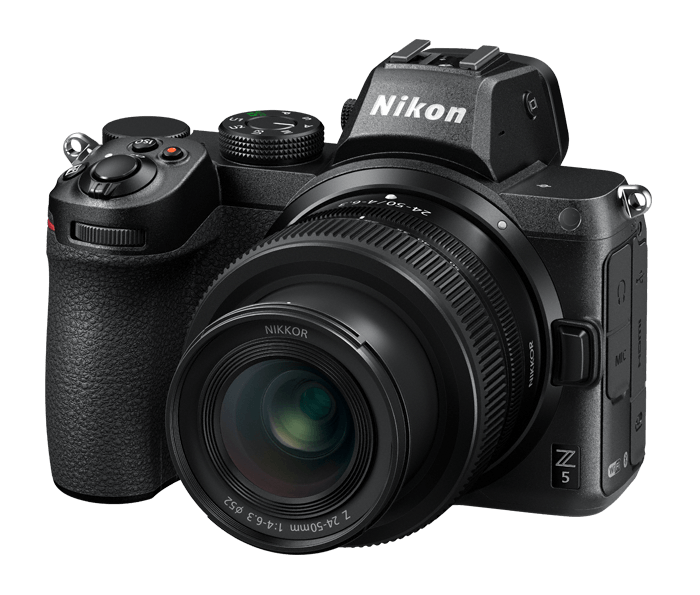
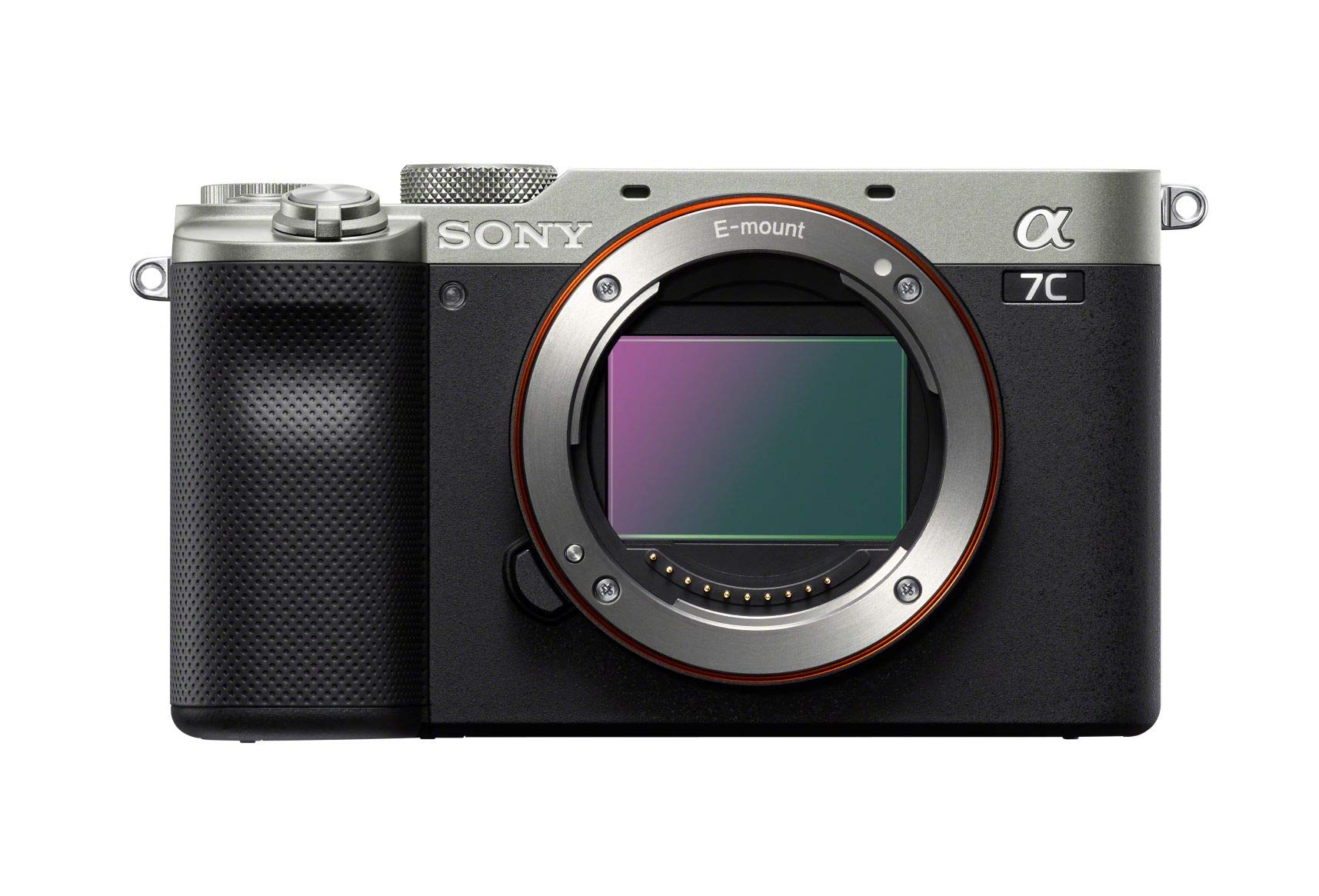
The Nikon Z5 and Sony A7C are two popular full-frame mirrorless cameras released in 2020, appealing to photographers and videographers looking for high-quality performance in a compact framework. Both target enthusiasts and advanced amateur users who aspire to capture impeccable images while enjoying advanced features. As comparable options, they each provide high-resolution sensors, robust autofocus systems, and efficient video capabilities, making the choice primarily about personal preference in system usability, ergonomics, and ecosystem support.
Key differentiators include build quality, autofocus performance, and battery life. Photographers might lean towards the Z5 for its slightly larger design and weather-sealing, while those prioritizing size and burst shooting may find the A7C more appealing due to its lighter weight and faster frame rates. This comparison will dissect these elements to help buyers understand which camera best aligns with their photography needs.
Specifications Comparison
Detailed Comparison
Image Quality
Both the Nikon Z5 and Sony A7C feature 24-megapixel full-frame sensors, allowing for exceptional image quality with rich detail and good dynamic range. The Z5's sensor measures 35.9 x 23.9 mm while the A7C's is slightly smaller at 35.6 x 23.8 mm. Both cameras handle low light well thanks to their ISO capabilities, with the Z5 offering an ISO range of 100-51200 (expandable to 50-102400) and the A7C ranging from 100-51200 (expandable to 50-204800).
While both produce superb images, users report a slight edge in terms of color rendition and skin tones with the Z5. The Nikon Z5's JPEG processing tends to be a bit more pleasing straight out of the camera, though both options benefit greatly from RAW post-processing. Moreover, dynamic range results are comparable, but the choice often comes down to personal taste in color science.
Overall, both cameras perform admirably in various lighting conditions, but the preference for color fidelity slightly tips the scale in favor of the Nikon Z5. Hence, in terms of raw image quality, both are quite equal but users might prefer the Z5 for specific tonal reproduction.
Autofocus System
The autofocus systems of these cameras present marked differences, impacting their effectiveness in various shooting scenarios. The Nikon Z5 utilizes a 273-point phase-detection autofocus system, which while respectable, is significantly outmatched by the Sony A7C's robust 693-point hybrid AF system. This translates into faster and more accurate focusing, particularly in challenging conditions or when tracking moving subjects.
The Sony A7C's autofocus is bolstered by features like Real-Time Eye AF, which offers effective tracking for both humans and animals. In contrast, the Z5 lacks some of the advanced tracking capabilities of the A7C. Users often find that the A7C can lock onto subjects with precision, providing more reliable performance in both stills and video modes.
Consequently, for users prioritizing fast and reliable autofocus capabilities, especially in dynamic environments, the Sony A7C takes the lead. While the Z5's autofocus is certainly competitive, it does not quite meet the expansive and efficient system found in the A7C.
Video Capabilities
Both cameras can record 4K video at 30 frames per second, a significant feature for content creators. However, there are some differences in their overall video capabilities. The Sony A7C offers a more advanced video feature set, including full pixel readout without pixel binning and superior video codecs that can benefit those looking for higher-quality outputs.
Additionally, the A7C supports features like S-Log and HLG (Hybrid Log-Gamma), giving videographers greater flexibility in editing and color grading. The Z5, while capable, lacks some of these advanced color profiles, which could limit creative choices during post-processing.
However, the Z5 does have its strong points with solid in-body stabilization, ensuring steady footage during handheld shoots. While both cameras offer strong 4K performance for casual use, the A7C's capabilities for advanced video work might attract more videographers, making it the preferred choice for those whose primary focus is on video production.
Build & Ergonomics
The build quality and ergonomics of both cameras are quite appealing but cater to different preferences. The Nikon Z5, weighing 675 grams, is larger and has a slightly thicker grip, which many users find comfortable during extended shooting sessions. Its construction is robust and it features weather-sealing, making it suitable for outdoor photography in various conditions.
On the other hand, the Sony A7C is lighter at 509 grams and designed with a more compact and minimalist layout, appealing for those who prefer a more portable setup. Its slim design allows for easy handling and carrying, ideal for travel and street photography. However, some users might find the grip less assured compared to the Z5.
Both cameras have great build quality, but depending on preference, one might favor the sturdy ergonomics of the Z5 or the lightweight design of the A7C. Ultimately, it's about what feels best in the hands, but when it comes to environment adaptability, the Z5's weather-sealing gives it a notable advantage.
Battery & Storage
Battery life is another critical factor, especially for long shooting sessions. The Nikon Z5 boasts a battery life of around 470 shots, which is decent for mirrorless standards. In contrast, the Sony A7C surpasses this significantly, offering a battery life of 740 shots per charge, making it a more reliable option for extended on-location work without frequent battery changes.
Both cameras utilize similar storage options, featuring dual memory card slots in the Z5 and a single slot in the A7C. The dual slots in Z5 enhance data management and redundancy, a beneficial attribute for professional photographers who value backup and speed when shooting large volumes of images.
Thus, while the A7C provides better battery life, the Z5's dual card slots cater more to those who demand robust storage solutions. This segment has nuances that emphasize different user priorities, edging toward the A7C based on battery longevity but offering depth in storage with the Z5.
Value for Money
When considering the price points, the Nikon Z5 is priced at $1399, making it more accessible for enthusiasts looking for a high-quality full-frame option. The A7C, priced at $1799, although offering advanced features, comes at a higher price tag. Nonetheless, users may find the A7C's features justify the price, especially regarding autofocus performance and advanced video capabilities.
Evaluating the value proposition boils down to what features are deemed essential by the user. For those needing reliable autofocus and superior video performance, the investment in the A7C might be warranted. Conversely, the Z5 might represent better value for those prioritizing a robust camera body with good image quality and comfort in handling.
Both provide competitive offerings for the respective price points, but given the additional performance features of the A7C, it edges out in perceived value in terms of advanced functionalities, while the Z5 shines in the more traditional qualities and usability aspects.
Our Verdict
Overall, the Sony A7C emerges as the winner of this comparison primarily due to its superior autofocus system, better battery life, advanced video capabilities, and compact design, which make it particularly suitable for videographers and those who photograph fast-moving subjects. It provides significant overall value considering its feature set, especially for a wide range of shooting environments. On the other hand, the Nikon Z5 excels in build quality and ergonomics, offering a more comfortable handling experience and greater protection against the elements due to its weather-sealing. Therefore, for those valuing a robust and traditional shooting experience, the Z5 is an excellent choice. Ultimately, the decision between these two cameras should align closely with the specific photography needs and preferences of the user.
Nikon Z5
Sony A7C
Also Compare
Frequently Asked Questions
Which camera is better for low-light photography?
Both cameras perform well in low-light conditions, but the Sony A7C has a slight edge due to its higher expandable ISO range of 204800 compared to the Z5's 102400.
Does either camera have in-body stabilization?
Yes, both the Nikon Z5 and Sony A7C feature 5-axis in-body image stabilization to help reduce camera shake during handheld shooting.
How important is weather sealing?
Weather sealing is significant for outdoor photographers and those working in unpredictable environments. The Z5 offers excellent weather sealing, which gives it an advantage for durability compared to the A7C's lighter build.
Which camera is more suitable for video production?
The Sony A7C is more suitable for video work due to its advanced video features, better autofocus for video subjects, and overall superior video quality options.
Is the lens ecosystem a factor in choosing between these cameras?
Yes, considering the lens ecosystem can be crucial. Nikon and Sony both have extensive lens ranges but different focuses; users should consider which brand's lenses better fit their intended use.