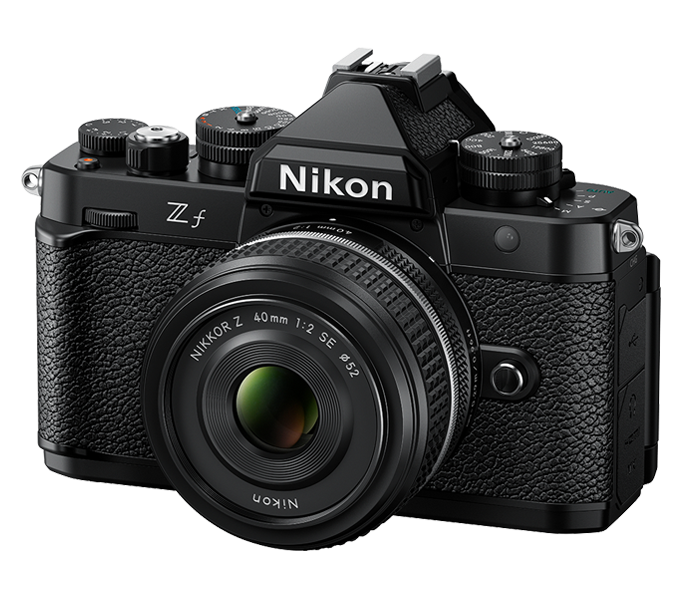

The Nikon Zf and Sony ZV-E1 are two highly regarded full-frame mirrorless cameras that cater to different segments of the photography market. Both models were released in 2023 and aim to appeal to enthusiasts and content creators alike. While the Nikon Zf is geared more towards traditional photography and versatile shooting scenarios, offering robust features and a more substantial build, the Sony ZV-E1 targets vloggers and video creators with its compact, lightweight design and a slew of video-centric features. Buyers often find themselves trying to decide between the advanced capabilities of the Nikon Zf and the specialized features of the Sony ZV-E1.
Specifications Comparison
Detailed Comparison
Image Quality
The Nikon Zf features a full-frame sensor measuring 35.9 x 23.9 mm with a resolution of 25 megapixels, which generally offers a higher level of detail and image quality compared to the Sony ZV-E1's 12-megapixel sensor (35.6 x 23.8 mm). The higher megapixel count of the Zf allows for more flexibility in cropping and larger print capabilities, making it preferable for photographers who need that extra detail in their images. Additionally, the Zf may produce better low-light performance due to its higher pixel count, which can lead to improved dynamic range and color accuracy in various lighting conditions.
On the other hand, although the ZV-E1 has a lower megapixel count, it boasts an impressive ISO range that can reach up to 409600, making it adaptable for low-light shooting. However, the quality of images may not match that of the higher resolution Zf under standard conditions. For still images, the Nikon Zf's higher resolution generally gives it an edge in terms of overall image quality, but differences in real-world applications could vary depending on user preferences and shooting conditions.
Autofocus System
When it comes to autofocus, the Sony ZV-E1 provides a more robust feature set with a total of 759 autofocus points, compared to the Nikon Zf's 273 points. The ZV-E1's Real-Time Eye Autofocus is particularly beneficial for video shooters and content creators, ensuring that the subject's eyes are tracked effectively during movement. This advanced focus tracking technology makes it an ideal choice for vlogging and fast-paced action situations.
In contrast, while the Zf's autofocus performance is competent, especially for still photography, it may not match the advanced tracking features found in the ZV-E1. However, the Zf may still appeal to photographers who prioritize precise focus in more controlled environments or traditional shooting scenarios. Therefore, for users focusing on shooting video content or rapidly moving subjects, the ZV-E1 would be the superior choice in this aspect.
Video Capabilities
Both the Nikon Zf and Sony ZV-E1 offer 4K video recording at 60 frames per second, catering to a growing market of content creators demanding high-quality footage. The ZV-E1 excel on the video front with features tailored for vlogging, including a fully articulating touchscreen and advanced video modes, such as live streaming functionality and various cinematic options.
The Zf, however, while still providing solid 4K capabilities, is more oriented towards photographers and may not offer the same ease of use for vlogging. It does have in-body image stabilization rated at 8 stops, which is advantageous for handheld shooting during video capture, whereas the ZV-E1's stabilization is rated at 5 stops. Thus, although both cameras are capable of producing excellent video output, the ZV-E1's features are specifically designed with video creators in mind, allowing for greater flexibility and control.
Build & Ergonomics
The Nikon Zf has a more substantial feel with a weight of 710 grams and dimensions of 144 x 103 x 49 mm. Its electronic viewfinder provides a direct line of sight to the captured scene, which can be critical for traditional photographers. The Zf's design is more weather-sealed, although specifics are not detailed here, enhancing durability in adverse conditions.
In comparison, the Sony ZV-E1 is significantly lighter at 483 grams and more compact with dimensions of 121 x 72 x 54 mm. This makes it more portable and easier to handle on the go, especially for vloggers. However, it lacks a viewfinder, which could be a drawback for traditional photographers who rely on an optical or electronic viewfinder. The trade-off here lies in portability versus a traditional grip and ergonomics, which may sway users based on their shooting style.
Battery & Storage
The Nikon Zf offers a battery life of approximately 380 shots, which is standard for a camera in its class, ensuring it can endure regular photography sessions. The camera uses the Nikon EN-EL15c battery. This may be limiting for extensive shooting days without additional batteries on hand.
On the other end, the Sony ZV-E1 boasts a longer battery life of around 570 shots. This increased longevity can be particularly beneficial for video production or long shooting sessions without interruptions for battery changes. Additionally, both cameras utilize dual memory card slots, enhancing storage capability for those undertaking extensive image capture, though specifics on the type of cards supported may affect performance.
Value for Money
At a price point of $1999, the Nikon Zf offers 25 megapixels, robust still image performance, and a sturdy design aimed at photographers seeking a reliable tool for various shooting situations. It strikes a balance of features that can appeal to traditional users who might also dabble in video, making it a good investment for those engaged in both fields without the emphasis on video-centric needs.
Conversely, the Sony ZV-E1 is priced higher at $2200 but provides unique features for vloggers, such as enhanced autofocus systems, specialized video modes, and a lightweight design that allows for extensive mobility. For dedicated content creators, this price may justify the return on investment due to its specific application and utility in producing high-quality video. However, for users who primarily focus on photography, the Nikon Zf could represent better value, given its higher resolution and robust imaging features.
Our Verdict
Both the Nikon Zf and Sony ZV-E1 have their distinctive strengths, leading to an overall tie in this head-to-head comparison. The Nikon Zf shines in photography with its higher resolution sensor and superior build quality, making it the go-to for traditional photographers. In contrast, the Sony ZV-E1 excels in video capabilities and portability, appealing to content creators and vloggers. Ultimately, potential buyers should consider their specific needs; those focused primarily on photography may lean towards the Nikon, while videographers would benefit from the Sony's tailored features.