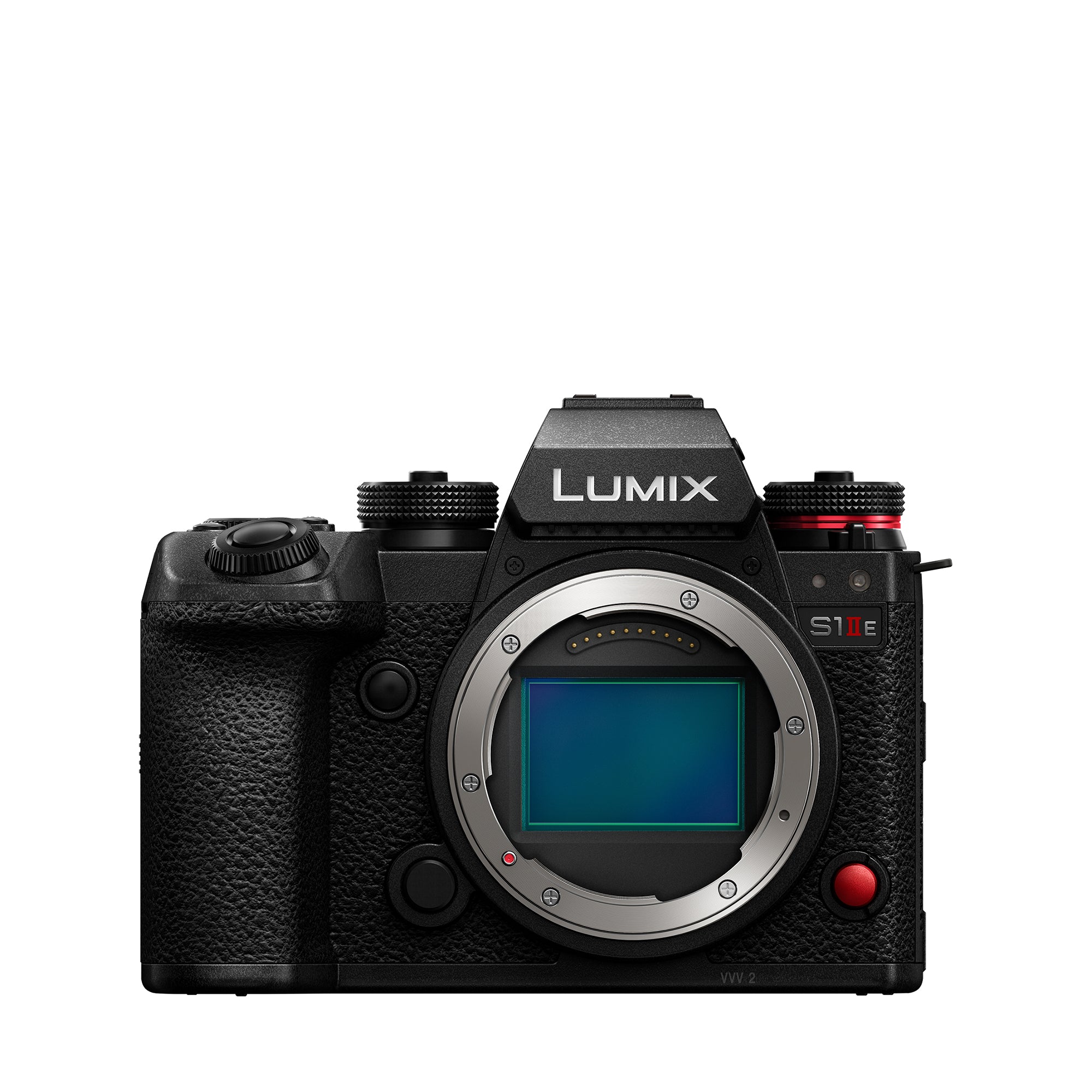
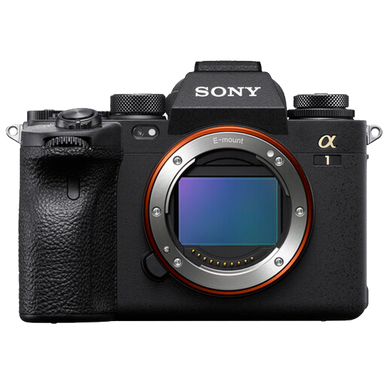
The Panasonic S1 II E and Sony A1 are two cutting-edge full-frame mirrorless cameras that attract professionals and serious enthusiasts alike. Both cameras offer robust features that cater to a wide range of photography and videography needs, making them popular choices among photographers looking for high performance and versatility. Potential buyers might be trying to decide between the two based on their specific requirements, such as resolution, video capabilities, and usability. Key differentiators include the sensor resolution, autofocus features, and video recording specifications, which could sway a person's decision depending on their primary photography genre.
Specifications Comparison
Detailed Comparison
Image Quality
The Panasonic S1 II E boasts a 24.1-megapixel sensor, which strikes a balance between file size and image quality, making it ideal for both photography and video. This resolution is generally sufficient for most current applications, allowing for excellent detail and dynamic range, particularly in lower light situations. On the other hand, the Sony A1 has a significantly higher resolution at 50 megapixels, allowing for more intricate detail and flexibility in post-processing. This feature is particularly attractive for landscape and studio photographers who often crop their images or require large prints.
However, while higher resolution does offer benefits, it also means larger file sizes that require more storage space and can slow down workflow. The image quality from both cameras is exceptional, but the context in which they are used largely dictates their effectiveness. For instance, the S1 II E provides great performance in low-light conditions due to its pixel size and sensor design, whereas the A1 excels in scenarios demanding extreme detail capture.
Overall, if ultimate detail is a priority, especially for large format outputs, the Sony A1 emerges as the forerunner. However, if a balance of performance with manageable file sizes is what you seek, the Panasonic S1 II E still offers excellent image quality.
Autofocus System
The autofocus capabilities of both cameras are impeccable, but they differ significantly in terms of specifications and performance in various shooting scenarios. The Panasonic S1 II E features a capable contrast detection system that works well in many situations; however, its autofocus system may not perform as rapidly as competitors under dynamic conditions.
In contrast, the Sony A1 is equipped with an advanced hybrid autofocus system boasting 759 phase-detection points, which provides fast and accurate focusing even in high-speed conditions. This system makes the A1 particularly suitable for action and wildlife photography, where rapid focusing is essential. Moreover, its Real-time Eye Autofocus for humans and animals allows photographers to capture sharp images of subjects in motion effortlessly.
Considering the competitive edge in autofocus systems, the Sony A1 clearly stands out with its superior tracking capabilities and speed. Photographers who prioritize fast-paced action or wildlife photography may find the A1 more aligned with their needs.
Video Capabilities
When it comes to video recording, both cameras offer notable capabilities, but they target slightly different audiences. The Panasonic S1 II E excels with its ability to shoot in a variety of resolutions, including up to 5.9K/60p and 4K/120p, allowing filmmakers immense flexibility and creative options for high-quality video production. Its versatility makes it a suitable choice for professional videographers looking to achieve cinematic effects with high resolution.
Conversely, while the Sony A1 supports 4K recording at a maximum of 120p, it lacks the high-resolution recording features of the S1 II E. That said, Sony's video color science is often favored for its natural-looking skin tones, which could be vital in portrait and documentary filmmaking.
In summary, for those whose primary focus is raw video quality and higher resolutions, the Panasonic S1 II E may be the more compelling choice. However, filmmakers prioritizing ease of use, established workflows, and color science might lean toward the A1, making this aspect a close call but favoring the Panasonic S1 II E overall.
Build & Ergonomics
Both cameras are designed with robust, weather-sealed bodies to withstand challenging shooting conditions. The Panasonic S1 II E features an ergonomic grip that allows for comfortable prolonged use, especially during long photography sessions. Additionally, its design supports easy access to critical controls, which can be advantageous for quick adjustments in the field.
On the other hand, the Sony A1, while slightly lighter at 737g compared to the S1 II E, is compact and allows for easier transport. However, some users may criticize its button layout for being less intuitive when compared to the S1 II E. The electronic viewfinder on the A1, while impressive with high resolution, does not match the experience offered by the S1 II E, which some users have reported as more natural and immersive.
Ultimately, while both systems have their strengths, the more substantial ergonomics and user-friendly design of the Panasonic S1 II E gives it an edge for extended shooting.
Battery & Storage
Battery life is a crucial aspect for photographers who spend extended periods away from power sources. The Sony A1 offers an impressive battery life, allowing for approximately 530 shots on a single charge, which is beneficial for long shooting sessions or events. Coupled with its efficient power management system, users often find themselves shooting longer without concerns of battery depletion.
In comparison, the Panasonic S1 II E's battery life is comparable, but exact figures are less definitive in real-world terms. However, it compensates for potential lower battery longevity with a dual card slot system for UHS-II SD cards, allowing for ample storage and redundancy during shoots.
For users who prioritize long shoot times without needing to change batteries frequently, the A1 shines, while the strong storage capabilities of the S1 II E provide peace of mind during important shoots.
Value for Money
When it comes to pricing, the Sony A1 is significantly positioned at around $6,500, reflecting its advanced specifications, particularly in image resolution, autofocus technology, and full-frame performance. This price point may be justified for professional photographers and videographers who can leverage its capabilities to the fullest and see a return on investment through their work.
In contrast, the Panasonic S1 II E delivers a more accessible price point for those who still demand professional performance without breaking the bank. Its multifaceted nature makes it suitable for both photography and video, making it an attractive option for emerging professionals or enthusiasts.
Ultimately, if budget allows, photographers requiring peak performance and advanced features may justify the higher price of the Sony A1. However, for those seeking excellent value and versatility at a more approachable price, the Panasonic S1 II E presents a worthy option.
Our Verdict
In conclusion, while each camera has distinct strengths, the Sony A1 takes the overall win primarily due to its superior resolution and autofocus capabilities. It caters exceptionally well to professional photographers aiming for the highest quality in detail and speed, especially in fast-paced scenarios. On the other hand, the Panasonic S1 II E's balance of features, particularly in video capabilities and ergonomics, makes it an outstanding choice for multimedia content creators. Depending on individual needs and preferences, both cameras serve their markets effectively, but the Sony A1 edges out as the top-tier option overall.
Panasonic S1 II E
Sony A1
Also Compare
Frequently Asked Questions
Which camera is better for low-light photography?
The Panasonic S1 II E, with its 24.1-megapixel sensor, typically performs better in low-light conditions due to the larger pixel sizes, which capture more light and detail. However, the Sony A1 also has excellent low-light capabilities due to its advanced sensor technology. It may come down to specific use cases and preferences.
Which camera is more suitable for videographers?
The Panasonic S1 II E excels in video capabilities with options like 5.9K recording at 60p and 4K at 120p, making it an ideal choice for videographers who need high-resolution footage. The Sony A1 is still a great option for video, but it primarily offers 4K recording.
How do the autofocus systems compare?
The Sony A1 features a more advanced autofocus system with 759 points, making it superior in tracking fast-moving subjects compared to the Panasonic S1 II E, which employs a less robust contrast detection system.
Is the price difference worth it?
If you require the absolute highest specifications and performance, the Sony A1 may justify its price. However, for most enthusiasts and professionals, the Panasonic S1 II E provides exceptional value for money without compromising on quality.
What are the weight and size differences?
The Sony A1 is slightly lighter at 737g compared to the Panasonic S1 II E, making it somewhat easier to carry. Dimensions vary with the A1 being more compact than the S1 II E, which some users may prefer for portability.