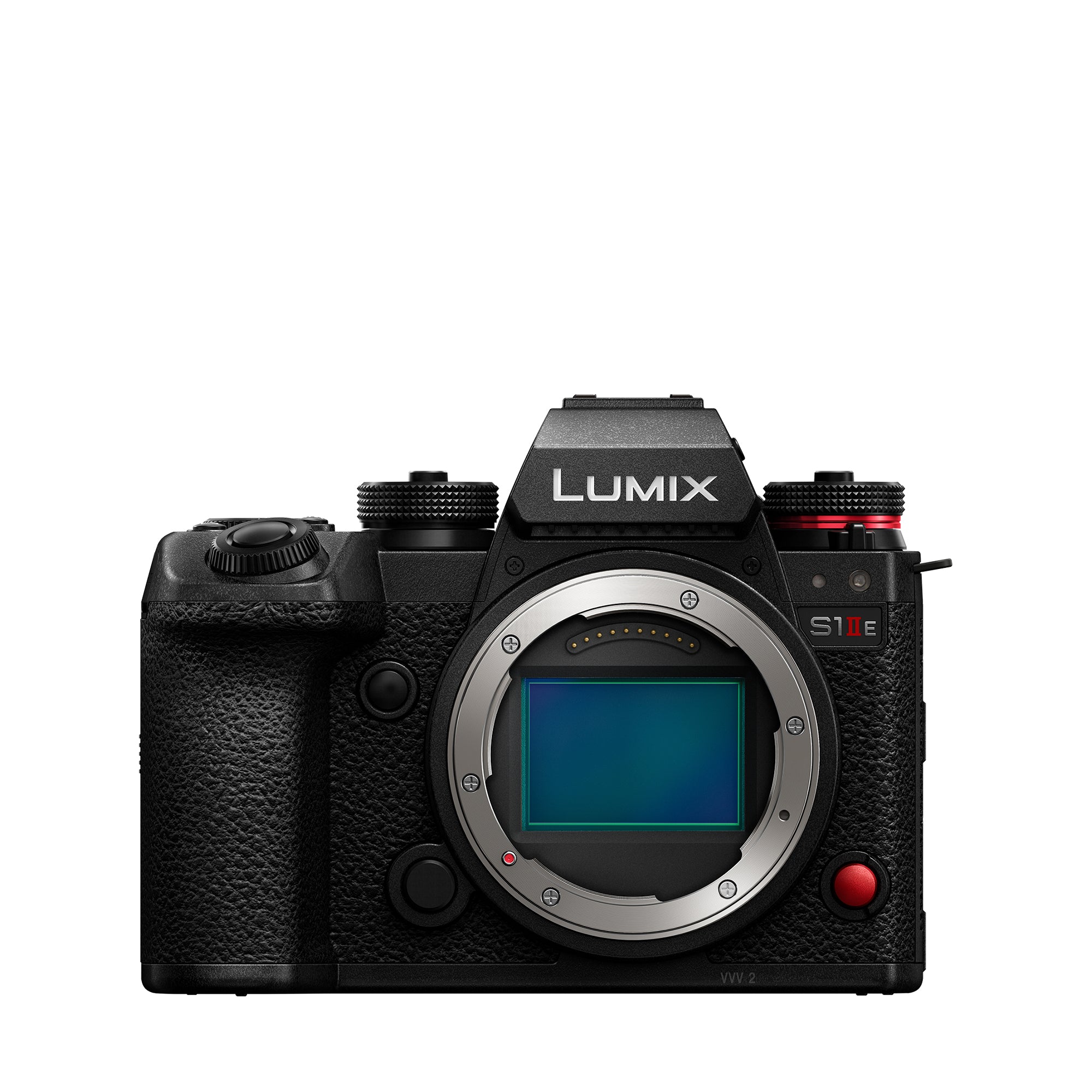

The Panasonic S1 II E and the Sony ZV-E1 are two compelling camera choices that frequently attract attention from both amateur and professional videographers and photographers. While both cameras boast full-frame sensors, they cater to different needs. The Panasonic S1 II E is tailored for users seeking high-end video capabilities and extensive control, making it ideal for filmmakers. In contrast, the Sony ZV-E1 appeals to vloggers and content creators requiring portability without sacrificing quality. This comparative analysis will delve into their defining features, helping buyers discern which model aligns better with their creative endeavors.
Specifications Comparison
Detailed Comparison
Image Quality
When it comes to image quality, the Panasonic S1 II E shines with its 24.1-megapixel sensor, which provides beautifully detailed images and allows for more cropping flexibility without compromising on quality. This higher resolution is especially beneficial for landscape and studio photographers who require maximum detail. On the other hand, the Sony ZV-E1 features a 12-megapixel sensor. While this lower resolution may limit some users, it makes the ZV-E1 highly effective in low-light conditions thanks to its expanded ISO range (40-409600), outperforming the S1 II E in terms of noise control at higher ISOs.
The Panasonic S1 II E delivers superior dynamic range and color fidelity, making it an excellent choice for post-processing work. It allows for greater manipulation in editing, which is crucial for both cinematic endeavors and high-quality photography. The ZV-E1, while still producing vibrant colors, may not compete with the same level of detail and dynamic range but is designed to create visually appealing content quickly, perfect for social media.
Autofocus System
Autofocus plays a critical role in capturing sharp images, especially in dynamic environments. The Sony ZV-E1 boasts an impressive autofocus system with 759 phase-detection points, allowing for fast and reliable focus acquisition, particularly beneficial for fast-moving subjects like in vlogging and outdoor activities. It also features advanced tracking capabilities for subjects, enhancing its usability in video shooting, where maintaining focus on motion is essential.
Conversely, the Panasonic S1 II E, while equipped with a solid autofocus system, does not feature as many autofocus points as its competitor. However, it is generally praised for its accuracy and performance in still photography. Therefore, while both systems are effective, the superior number of AF points in the ZV-E1 makes it more suitable for users who frequently shoot video or need to track moving subjects consistently without manual adjustments.
Video Capabilities
Both cameras offer impressive video capabilities, but they cater to different types of videographers. The Panasonic S1 II E excels in video performance, offering 5.9K/60p and multiple resolutions down to 1080p/240fps, making it highly versatile for various filmmaking needs. This extensive resolution range, coupled with options for high frame rates, gives filmmakers the flexibility to choose the best settings for their projects.
The Sony ZV-E1, while limited to 4K/60p, still delivers smooth and high-quality video. Its focus on vloggers is evident in features like built-in stabilization (5 stops) and optimized settings for easy, fast video production. While it may not compete with the S1 II E in terms of resolution, the practicality and user-friendliness of the ZV-E1 for content creation cannot be understated.
Build & Ergonomics
The Panasonic S1 II E is renowned for its robust build quality, featuring weather sealing that makes it appropriate for professional use in various environments. It is designed with comfort in mind, providing a larger grip suited for extended shooting sessions, which is essential for photographers and videographers alike.
The Sony ZV-E1, on the other hand, is compact and lightweight, weighing just 483 grams. Its less bulky form factor makes it a favorite among vloggers who prioritize portability and ease of use. The ZV-E1's screen is also articulated, enhancing usability for self-recording. However, the trade-off is that it may not feel as durable as the S1 II E, potentially limiting its performance in harsher shooting conditions.
Battery & Storage
Battery life is a significant consideration for users who spend extended periods shooting videos or taking photos. The Sony ZV-E1 offers an impressive 570 shots per charge, allowing for ample shooting time without frequent battery changes. This aspect is particularly favorable for vloggers or event shooters who require reliable performance throughout the day.
In contrast, the Panasonic S1 II E tends to consume more power due to its higher-resolution sensor and advanced features, resulting in a shorter battery life. Additionally, both cameras support SD card storage; however, the S1 II E has dual card slots, allowing for greater storage flexibility and redundancy, appealing to professional users who prioritize security in their work.
Value for Money
When evaluating price versus performance, the price of the Sony ZV-E1 is around $2200, which may seem high for a 12-megapixel sensor camera, but it includes unique features specifically designed for influencers and content creators, making it a valuable investment for that target audience.
On the other hand, the Panasonic S1 II E, priced similarly or perhaps higher depending on retailer offers, provides an expansive feature set ideal for photographers and filmmakers requiring high-quality visuals and versatility in both shooting and editing. The perceived value may largely depend on the user's intended use-those focused on video content creation might find the ZV-E1 worth every penny, while those pursuing still photography and higher-end video production may find the S1 II E justified in investment.
Our Verdict
In conclusion, the Panasonic S1 II E emerges as the overall winner in this comparison, primarily due to its superior image quality, expansive video capabilities, and robust build. It is ideally suited for both photographers and filmmakers who prioritize high resolution and versatility in various shooting conditions. Conversely, the Sony ZV-E1 excels in autofocus performance, weight, and its extended battery life, making it a go-to option for vloggers and content creators prioritizing ease of use and mobility. Buyers should consider their specific needs and applications when making a choice between these two impressive models.