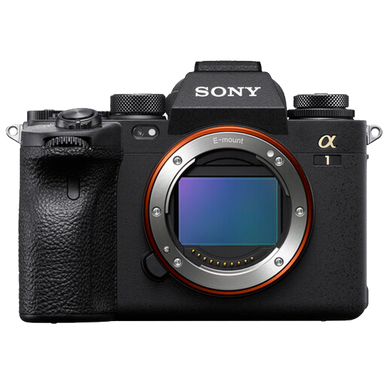
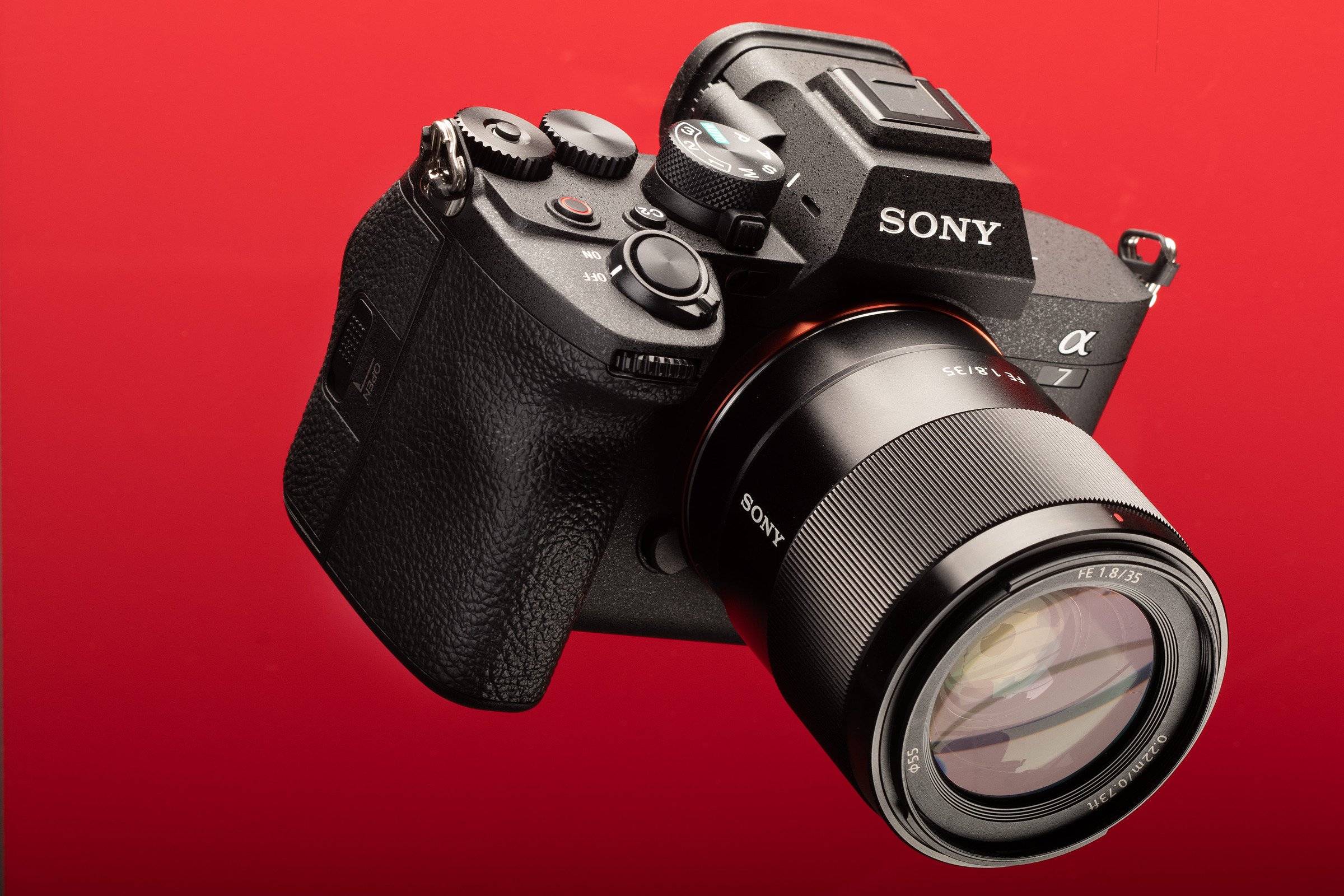
The Sony A1 and Sony A7 IV are two of the most talked-about cameras in Sony's full-frame mirrorless lineup, appealing to both professional photographers and serious enthusiasts. The A1 is aimed at high-end users who demand the absolute best in terms of resolution, speed, and overall performance, while the A7 IV offers a more balanced feature set at a significantly lower price point, making it a compelling option for many. Buyers typically choose between these two models based on their specific needs, whether that be for commercial photography, videography, or general multimedia use.
Specifications Comparison
Detailed Comparison
Image Quality
When it comes to image quality, the Sony A1 holds a significant advantage due to its 50-megapixel sensor, compared to the A7 IV's 33 megapixels. The higher resolution of the A1 enables more detailed images, making it particularly suitable for large format prints and cropping in post-production without sacrificing quality. Both cameras feature full-frame sensors, but the A1's larger pixel count provides an edge in terms of resolution, which is crucial for professionals working with intricate details or those who require the utmost clarity.
On the other hand, the A7 IV, with its lower resolution, still produces exceptional image quality. Its ISO range, which can be expanded to 204800, offers improved low-light performance relative to the A1, which tops out at 102400. While the A1 performs exceptionally well in good lighting thanks to its higher resolution, the A7 IV can yield better results in tricky lighting environments. Therefore, depending on photographic needs, either model may shine in certain situations.
Both models feature excellent dynamic range and color accuracy that Sony cameras are known for, making them both highly capable tools in the right hands. In practical terms, most users will find the image quality of both options satisfactory for professional work, although the A1 edges out in controlled conditions where its full potential can be harnessed.
Autofocus System
Both the Sony A1 and A7 IV feature an impressive autofocus system with 759 phase-detection points, which allows for fast and accurate focusing across various shooting scenarios. They share similar technologies, including Real-time Eye Autofocus for humans and animals, making either camera a strong contender for wildlife and portrait photography.
However, the A1 enhances performance with its ability to shoot at up to 30 frames per second (fps) compared to the A7 IV's max of 10 fps, giving it a notable edge in fast-paced environments-especially in sports or action photography. The A1's advanced subject tracking is more robust as well, ensuring that moving subjects are reliably locked onto and followed even in dynamic scenes.
While the A7 IV may not be as rapid, its autofocus performance is still exceptional and more than sufficient for the vast majority of photographers. Its AF accuracy in lower lighting and the smoothness of continuous tracking makes it a reliable choice for most users who are not shooting in extreme conditions. Thus, while both cameras excel in their own right, the A1's superior speed makes it the clear choice for fast-action shooting.
Video Capabilities
In the realm of video capabilities, the Sony A1 once again outruns the A7 IV by offering 4K video recording at 120 frames per second, making it an appealing choice for videographers looking for smooth slow-motion effects. The A1 supports 10-bit 4:2:2 internal recording as well, allowing for more extensive color grading options in post-production.
The A7 IV, while capable, is limited to 4K recording at 60 fps. While this is perfectly adequate for most typical uses, it does lack the higher frame rate option that professionals may desire for high-end video work. Additionally, the A7 IV features a 7K oversampling method, which enhances the quality of its 4K output, making the distinction less pronounced in scenarios where high frame rates are not crucial.
Both cameras also feature excellent heat dissipation mechanisms, allowing for longer recording times without overheating. However, if ultimate video performance is paramount, the A1 takes the lead due to its higher capabilities and advanced features for 4K recording, making it the preferred choice for high-end filmmaking.
Build & Ergonomics
In terms of build quality, both the Sony A1 and A7 IV boast durable weather-sealed constructions, allowing them to perform reliably in challenging environmental conditions. They share a similar ergonomic design with comfortable grips, but the A1 is slightly heavier at 737 grams compared to the A7 IV's 659 grams, which can be a consideration for long shooting sessions.
The dimensions of both cameras are quite close, although the A7 IV is marginally larger in terms of width and height. Both models come equipped with an electronic viewfinder; however, the A1 features a higher resolution EVF, resulting in an enhanced viewing experience, especially in bright sunlight.
User interface on both cameras is largely similar, but the A1 includes additional customizable buttons for quick access to frequently used settings, which can be a significant time-saver for professionals. This thoughtfulness in design makes the A1 potentially more suited for intensive use although both models offer good handling.
Battery & Storage
Battery life for both cameras is quite competitive, with the A1 rated at approximately 530 shots and the A7 IV at around 580 shots per charge. While these numbers are comparable, the A7 IV offers a slightly longer battery life, which may tip the scale for those who prioritize extensive shooting without interruption.
Both models use the same NP-FZ100 battery, providing reliable performance across the board. In terms of storage, the A1 offers dual CFexpress Type A and SD card slots, allowing for faster data writing and retrieval which is crucial for high-resolution continuous shooting. Conversely, the A7 IV utilizes dual SD card slots, with support for UHS-II cards, which, while slower, are more prevalent and generally less expensive.
The A1's faster storage solution may be beneficial for professionals dealing with high-burst shooting or extensive 4K video, but both cameras provide adequate options for most use cases. Thus, the difference in battery life and storage flexibility isn't enough to fully sway the decision toward one model over the other.
Value for Money
The Sony A1's price of around $6500 reflects its status as a high-end camera that caters to professionals who require top-tier performance, whereas the A7 IV, priced at around $2499, appeals to a broader audience seeking excellent performance at a more approachable price point. For many enthusiasts and semi-professional photographers, the A7 IV offers a well-rounded package that covers a wide variety of needs, including solid image quality, capable video recording, and robust autofocus.
Professionals needing extreme resolution, higher frame rates, and advanced features will find the A1 worth the investment for specific high-stakes scenarios where its advantages come to play. However, for most users who don't require the extreme features of the A1, the A7 IV presents a strong case with good image quality and video capabilities, making it an outstanding choice for those operating within a budget.
Ultimately, the value determination comes down to an individual's specific needs and budget constraints. For those who require the absolute best in performance, the A1 justifies its price tag, while the A7 IV remains an excellent choice for everyday photography and videography without the hefty investment.
Our Verdict
Overall, the Sony A1 triumphs in this comparison, winning key areas such as image quality, autofocus speed, and video performance. It is ideal for professionals and serious enthusiasts who demand the highest fidelity and speed, particularly in high-pressure shooting scenarios. That said, the Sony A7 IV represents remarkable value, excelling in versatility and accessibility while still offering impressive features for a significantly lower price. Buyers looking for a well-rounded camera for everyday shooting and capable performance should gravitate towards the A7 IV, while those who need the pinnacle of technology should consider the A1 as the definitive choice.
Sony A1
Sony A7 IV
Also Compare
Frequently Asked Questions
What is the primary difference in resolution between the A1 and A7 IV?
The Sony A1 features a 50-megapixel sensor, while the A7 IV has a 33-megapixel sensor, which allows the A1 to capture significantly more detail and resolution in images.
How do the autofocus systems compare?
Both cameras feature similar autofocus systems with 759 points, but the A1 offers superior performance by allowing burst shooting at 30 frames per second, ideal for fast-action photography.
Which camera is better for video recording?
The Sony A1 excels in video capabilities, allowing 4K video recording at 120 fps, while the A7 IV is limited to 4K at 60 fps, making the A1 the preferred choice for high-quality video work.
Is one camera better suited for low-light conditions?
The A7 IV has a slightly larger expanded ISO range, which could give it an edge in very low-light conditions compared to the A1. However, both cameras perform well in low-light scenarios.
Is the additional cost of the A1 justified?
The A1's premium price is justified for professionals requiring top-tier specifications like extremely high resolution and fast processing capabilities. However, the A7 IV offers stellar performance for most users without the high financial commitment.