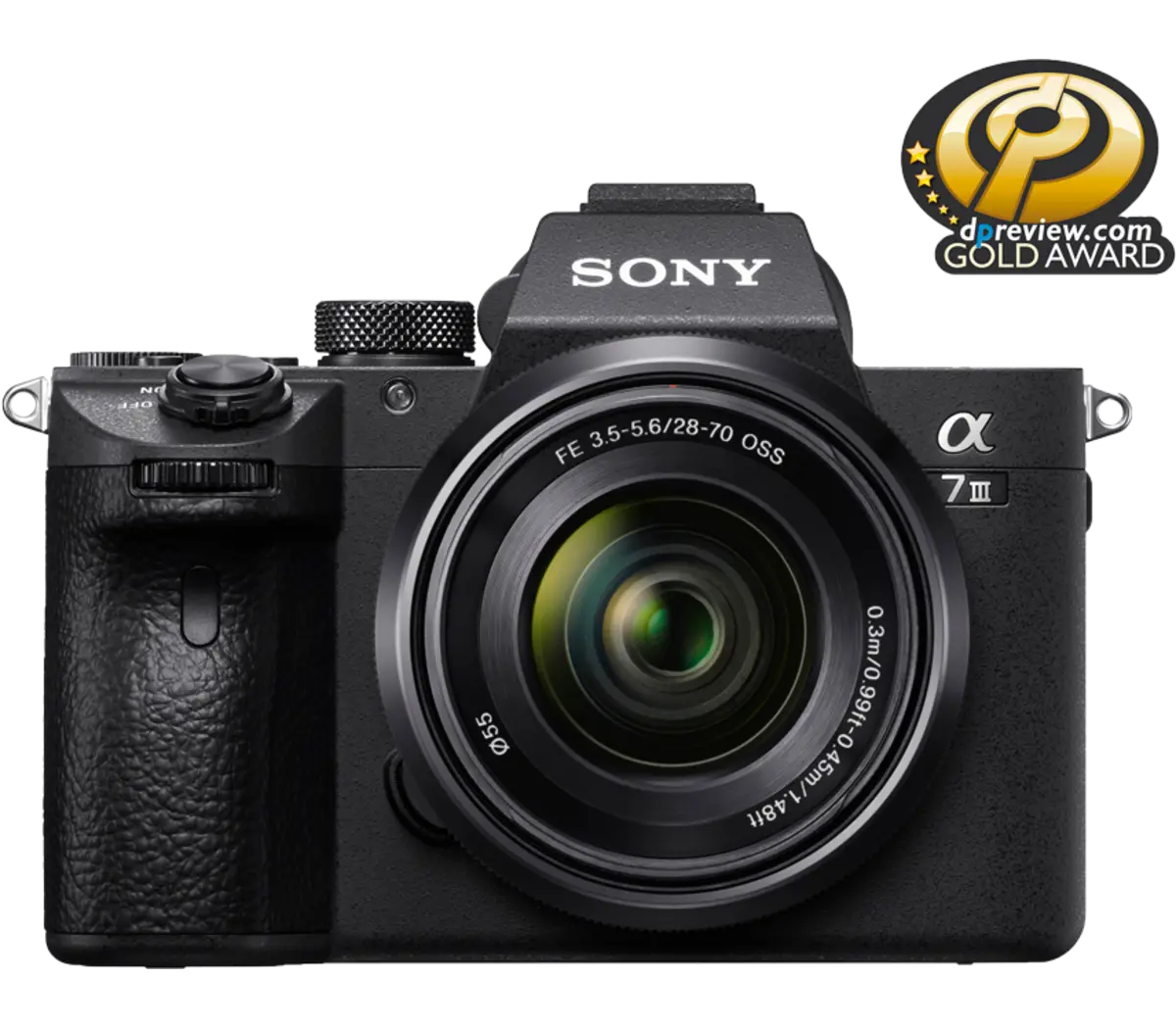
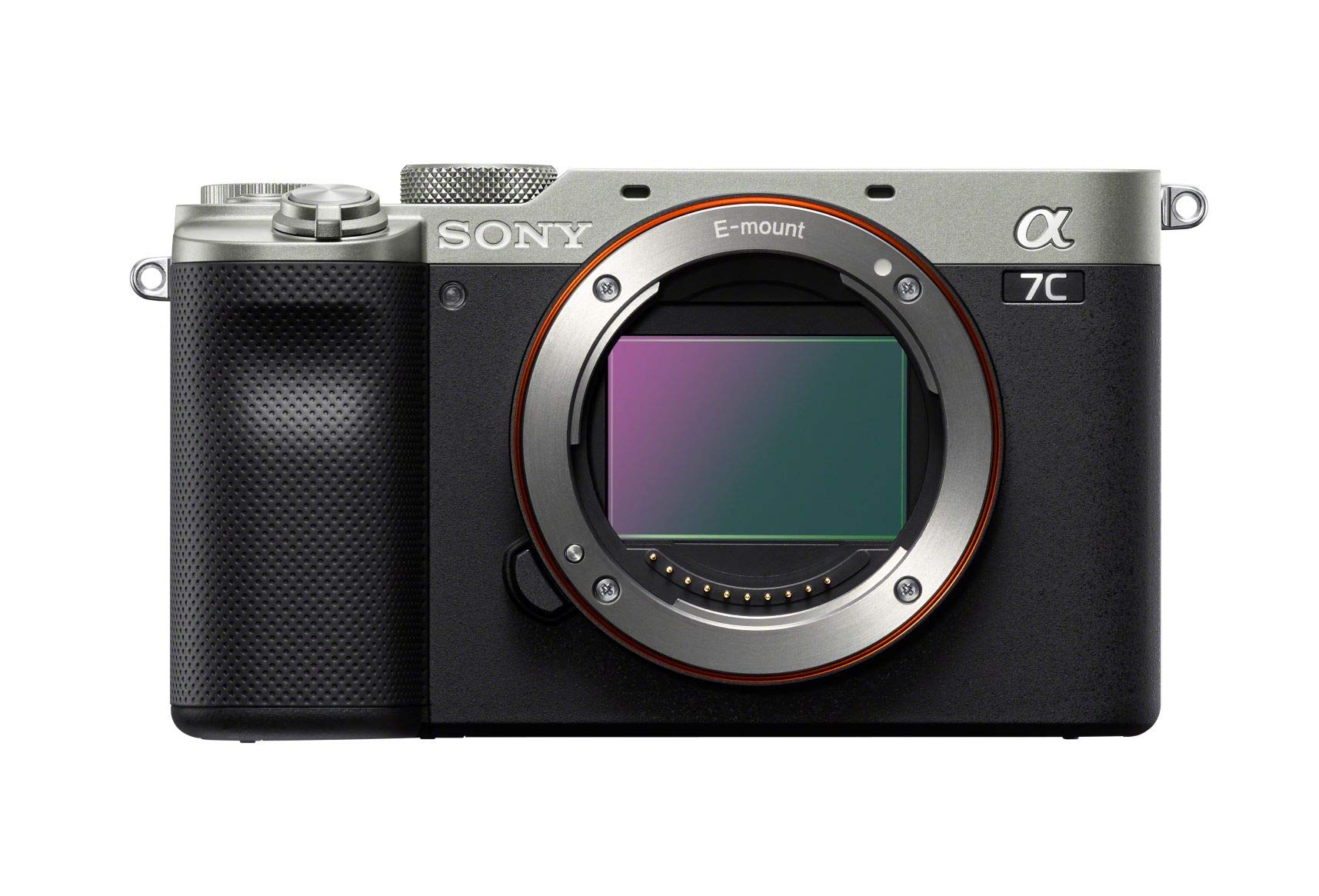
The Sony A7 III and Sony A7C are both stellar entries in the full-frame mirrorless market and are often compared by photographers and videographers alike. While they share a number of core specs and features, including a 24-megapixel full-frame sensor, advanced autofocus capabilities, and 4K video capabilities, their differing ergonomics, design philosophies, and price points make them appealing to different types of users. The A7 III, released in 2018, has solidified its place as a versatile workhorse, whereas the A7C, introduced in 2020, aims at those seeking a more compact and travel-friendly option without compromising on performance.
Specifications Comparison
Detailed Comparison
Image Quality
Both cameras offer exceptional image quality, thanks to their identical 24-megapixel full-frame sensors. The wider ISO range available in the A7C extends to 50-204800, giving it an edge in extremely low-light conditions where such high adjustments may be beneficial. However, in everyday use, both models produce high-quality images with similar sharpness and dynamic range, making them suitable for various photography styles, from landscapes to portraits. Color reproduction is consistent across both cameras due to advancements in Sony's sensor technology, so it boils down to personal preference regarding the slight nuances in color profiles.
Autofocus System
Both the A7 III and A7C boast an impressive autofocus system featuring 693 phase detection points that track moving subjects with high precision. In practice, both cameras exhibited exemplary performance in typical shooting conditions, even in challenging light scenarios. However, users do report that the A7C's slightly updated processing capabilities can result in marginally faster focusing speed. Furthermore, both models include Eye-AF for capturing sharp portraits, but some users feel the A7C provides a more user-friendly experience for videographers by featuring this functionality during video recording. Overall, while differences are minimal, slight advancements in the A7C's autofocus capabilities can enhance the shooting experience.
Video Capabilities
In terms of video, both cameras can capture 4K video at up to 30p, maintaining high-quality performance across various settings. They share similar compression options and color profiles, making either an excellent choice for videographers. However, the A7C includes newer processing features, and some users find its small size and articulating screen more conducive for video content creation. Both models provide clean HDMI output which is essential for streaming or recording externally. Therefore, while there are limited distinctions in core video specs, the usability edge of the A7C in a video context is notable.
Build & Ergonomics
While both the A7 III and A7C are constructed with robust materials and weather-sealing for durability, their design philosophies cater to different users. The A7 III's larger grip and traditional DSLR-like size may be preferred by enthusiasts who prioritize handling and control. In contrast, the A7C's compact form factor targets travel photographers and those looking for a lightweight, portable option. The dimensions reveal a clear advantage to the A7C with a weight of 509 grams compared to the A7 III's 650 grams, making it significantly easier to carry on extended shoots. Ultimately, the preference for ergonomics will vary based on the intended use: those seeking robust handling may lean toward the A7 III, while those valuing portability might favor the A7C.
Battery & Storage
When it comes to battery life, the A7C has a slight edge with a CIPA rating of 740 shots compared to the A7 III's 710 shots. This contributes to a more seamless shooting experience during long sessions. Both models utilize the same battery type (NP-FZ100), offering the same charging capabilities. In terms of storage, both offer dual SD card slots, which is beneficial for photographers who require immediate backup or increased storage capacity on significant shoots. Therefore, while the battery life difference is marginal, the A7C's slight increase could be pivotal in specific scenarios.
Value for Money
Pricing can significantly affect buyer decision-making. The A7C is priced at $1799, slightly more affordable than the A7 III at $2000, but this minor difference may not sway everyone. While both cameras represent high-value investments in the full-frame segment, the A7C offers more compactness and is particularly suited for vloggers and travelers. The A7 III, while a bit more expensive, holds a strong reputation for performance across various photography styles, appealing to those who might need that extra layer of handling and control. Buyers should reflect on how they plan to utilize the camera to determine which represents better value for their needs.
Our Verdict
In this comprehensive comparison, the Sony A7C emerges as the overall winner mainly due to its better portability, enhanced video capabilities, and superior focus experience. While the A7 III still stands strong with a slightly more ergonomic design suited for traditional photographers, the A7C's advantages showcase its versatility and suitability for modern content creators, especially those focused on travel or vlogging. Each camera suits specific needs, but if you're willing to prioritize a compact camera with high functionality, the A7C proves to be the superior choice.
Sony A7 III
Sony A7C
Also Compare
Frequently Asked Questions
Which camera is better for beginners?
Both the A7 III and A7C are suitable for beginners, but the A7C's more compact design and user-friendly features might make it slightly easier for novices to handle and transport.
Are both cameras good for low-light photography?
Yes, both cameras perform excellently in low light, but the A7C has a broader ISO range which might offer slight advantages in extremely dark conditions.
Can I use the same lenses on both cameras?
Yes, both cameras utilize the Sony E-mount system, allowing users to interchange lenses without any compatibility issues.
Is one camera better for video than the other?
The A7C may be considered better for video due to its compact size and better screen articulation, which is advantageous for vlogging and video work. However, both cameras perform similarly in core video specs.
Which camera holds better resale value?
Historically, the A7 III has been highly regarded for its performance and may retain a higher resale value due to its established reputation in the marketplace. However, this can also depend on the general demand trends for each model over time.