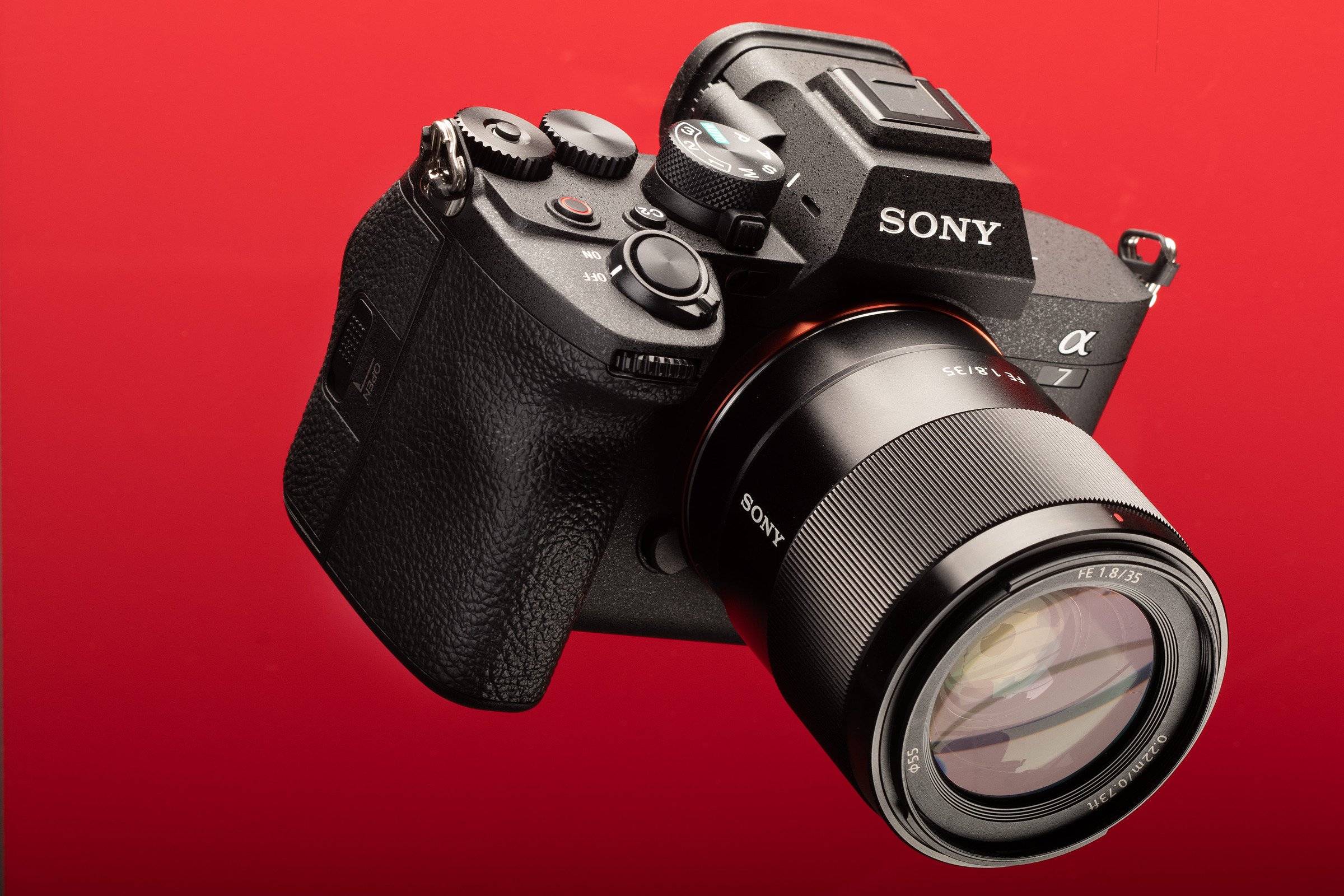
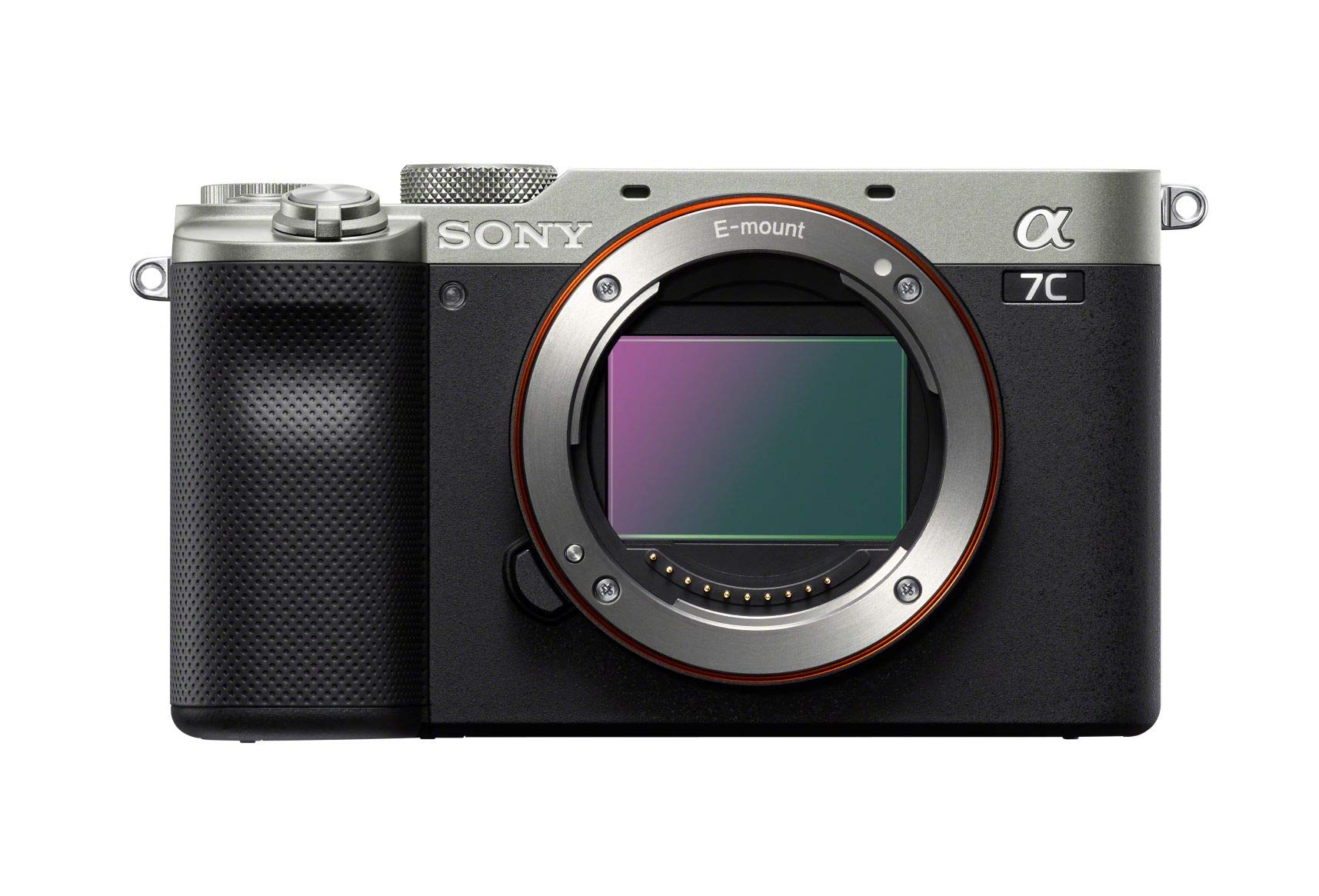
The Sony A7 IV and A7C are two popular full-frame mirrorless cameras from Sony, often compared by photographers and videographers looking for high-quality performance in a compact design. The A7 IV, released in 2021, boasts advanced features suitable for professionals, while the A7C, released in 2020, targets enthusiasts and those prioritizing portability without sacrificing image quality. The key differences that potential buyers consider include sensor resolution, autofocus capabilities, video performance, and overall ergonomic design, which can significantly impact user preference depending on their specific needs.
Specifications Comparison
Detailed Comparison
Image Quality
In terms of image quality, the Sony A7 IV has a slight edge over the A7C due to its higher resolution sensor, offering 33 megapixels compared to the A7C's 24 megapixels. This difference allows for more detailed images, especially beneficial for large prints or heavy cropping. Both cameras utilize a full-frame sensor with the same ISO capabilities, with native ranges of 100-51200 and expandability up to 204800, ensuring excellent performance in various lighting conditions. However, the higher pixel count of the A7 IV can result in better retention of detail in challenging exposures.
The A7C's sensor, while slightly lower in resolution, still produces stunning images and can be more manageable in terms of file size, which is an advantage for photographers who require quick editing and sharing. Additionally, both cameras share similar low-light performance characteristics, but the A7 IV's superior dynamic range might give it an advantage in high-contrast situations. Therefore, for purists focused on capturing the highest quality images, the A7 IV stands out, making it the preferred choice.
Consequently, considering the aim for image fidelity and detail retention, the winner of this section leans towards the A7 IV.
Autofocus System
Autofocus is a critical feature for any modern camera, and both the A7 IV and A7C offer impressive systems. The A7 IV includes 759 phase-detection autofocus points, delivering fast and accurate focusing across a larger area of the frame. This allows for better tracking of moving subjects, beneficial for sports or wildlife photography. In contrast, the A7C features 693 autofocus points, which still provides excellent performance but is slightly less comprehensive than that of the A7 IV.
Both cameras benefit from Sony's advanced Real-Time Eye AF, making them effective in portrait and street photography, where quick and precise focus on subjects' eyes is essential. The A7 IV's expanded range of focus points can lead to a higher capture success rate in dynamic environments. Additionally, for users who shoot video, the tracking capabilities available on both models are robust, but again, the A7 IV's autofocus system wins due to its greater flexibility and responsiveness.
Given the A7 IV's superior autofocus coverage and performance, it is clearly the winner in this category.
Video Capabilities
When it comes to video performance, there's a notable difference between the two models. The Sony A7 IV supports 4K video resolution at up to 60p, providing filmmakers with higher frame rates which could be critical for producing smooth and professional-grade footage. The ability to capture high-resolution 4K allows for greater detail and flexibility during post-production. In contrast, the A7C records 4K at a maximum of 30p, limiting its usability for high-paced action shots or when slow-motion effects are desired.
Both cameras have limitations in video recording as they can overheat during extended sessions, but the A7 IV offers more robust cooling systems, allowing for longer recording times compared to the A7C. Moreover, the A7 IV introduces advanced video features such as 10-bit 4:2:2 internal recording, S-Cinetone color profile, and advanced log shooting options, giving filmmakers an edge in creative flexibility. While the A7C is still capable and suitable for casual videography, its lower frame rates and fewer advanced features mean it falls behind the A7 IV.
Thus, in this crucial category for videographers, the A7 IV takes the lead.
Build & Ergonomics
In terms of build quality and ergonomics, both cameras share a durable weather-sealed construction, catering to outdoor photographers. However, the A7 IV is larger and heavier, weighing 659g compared to the 509g of the A7C. The more substantial body of the A7 IV may provide better grip and comfort for extended shooting sessions but could be cumbersome for travel or everyday use.
The A7C, with its compact size and lighter weight, is designed for those who prioritize portability and may frequently shoot on the go. Despite its smaller form factor, the A7C still holds a robust build quality, ideally suited for street photography and travel without compromising durability too much. The smaller body of the A7C comes at the cost of some physical controls, as the A7 IV offers a more extensive array of dedicated dials and buttons, enhancing tactile control and accessibility for photographers who appreciate hands-on adjustments.
Ultimately, the winner depends on the user's needs: if portability is critical, the A7C wins; however, for better handling and comfort during long sessions, the A7 IV is preferable. For its firm ergonomics, the A7 IV has a slight advantage.
Battery & Storage
Battery life is an important consideration for any camera user, especially during events or long shoots. The Sony A7C has a notable advantage here, providing approximately 740 shots per charge compared to the A7 IV's 580 shots. This extended battery life can prove beneficial for photographers in situations where changing batteries isn't feasible, particularly during travel or events.
Both cameras utilize the same type of battery and support USB charging, which adds convenience and can help extend shooting time when away from traditional power sources. In terms of storage, both models support dual card slots, allowing for simultaneous recording or overflow management, which is essential for professional workflows. The A7 IV supports CFexpress Type A, offering faster read/write speeds ideal for high-resolution video and burst shooting.
Thus, while the A7C excels in battery longevity, the A7 IV's superior card technology can be advantageous for those requiring high-performance storage solutions. However, when it comes to pure battery life on a single charge, the A7C takes the win.
Value for Money
Price is often a determining factor when choosing between these two models. The A7C, priced at $1799, presents itself as a more accessible option for enthusiasts looking for a full-frame experience without the high cost associated with professional gear. Meanwhile, the A7 IV, at $2499, includes advanced features that cater to serious professionals who can leverage its superior image quality and video capabilities for their projects.
While the A7 IV provides more value in terms of specifications like higher resolution, better autofocus, and improved video features, the A7C remains an attractive choice for those who may not require all the bells and whistles but still desire excellent performance and portability. In this regard, buyers need to assess their individual needs and budget to determine which model offers them the best bang for the buck. Therefore, for casual users seeking great performance at a lower price point, the A7C is the more sensible investment.
Considering the price difference and target user base, the A7C offers better overall value for the consumer market, making it the winner in this category.
Our Verdict
In summary, while both the Sony A7 IV and A7C present compelling options for different users, the A7 IV emerges as the overall winner due to its superior image quality, autofocus capabilities, and video performance, making it ideal for professional photographers and videographers. On the other hand, the A7C appeals to enthusiasts who prioritize portability, extended battery life, and value for money without needing the advanced features of the A7 IV. Ultimately, choosing between these two should depend on individual requirements: if you prioritize top-notch quality and features, opt for the A7 IV; if you seek an affordable, lightweight alternative, the A7C is an excellent choice.
Sony A7 IV
Sony A7C
Also Compare
Frequently Asked Questions
Which camera has better image quality?
The Sony A7 IV has a higher resolution of 33 megapixels, resulting in more detail and better image quality compared to the A7C's 24 megapixels.
Is the A7C better for video recording?
No, the A7 IV offers better video capabilities, supporting 4K 60p compared to the A7C's 4K 30p, making it the superior choice for videographers.
Which camera is more portable?
The Sony A7C is smaller and lighter, making it the better option for travel and everyday use.
How does battery life compare?
The A7C provides superior battery life rated for around 740 shots, compared to the A7 IV's 580 shots per charge.
Which model should I choose for professional photography?
The Sony A7 IV is recommended for professional photographers seeking advanced autofocus, higher resolution, and enhanced video features.