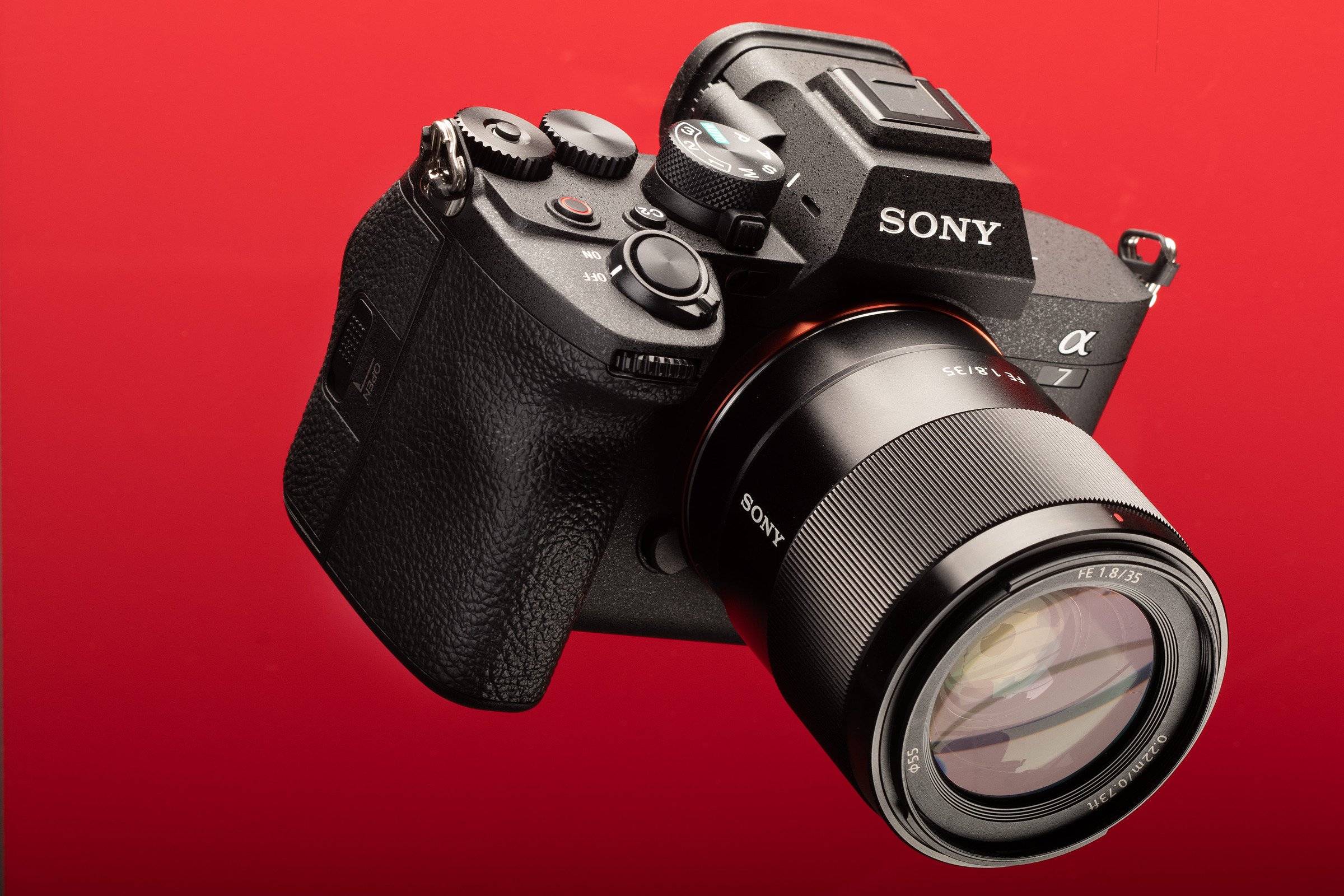

The Sony A7 IV and ZV-E1 are two full-frame mirrorless cameras from Sony that cater to different user needs. The A7 IV is a versatile camera appreciated by photographers and videographers alike for its well-rounded capabilities, while the ZV-E1 is designed primarily for vlogging and content creators with a focus on ease of use and video features. Buyers might be choosing between these models based on their preferences towards high-resolution stills and comprehensive functionality (A7 IV) versus specialized video features and portability (ZV-E1). Key differentiators include sensor resolution, autofocus capabilities, video performance, and ergonomics which cater differently to various types of users.
Specifications Comparison
Detailed Comparison
Image Quality
The Sony A7 IV boasts a 33-megapixel sensor, providing a substantial advantage for photographers requiring high resolution for detailed prints and cropping flexibility. This higher resolution captures more intricate details and offers better dynamic range, especially in varying lighting conditions. In contrast, the ZV-E1's 12-megapixel sensor, while still delivering full-frame quality, may not perform as well in high-resolution image capturing tasks and is better suited for general content creation where massive megabytes are not essential.
Moreover, both cameras feature similar ISO ranges, but the A7 IV's expanded range allows it to perform better at higher sensitivities, essential for low-light scenarios. Though the ZV-E1 does expand its ISO capabilities up to 409600, practical shooting would not yield the same level of detail or noise control as the A7 IV in challenging conditions. Thus, when considering pure image quality, the A7 IV takes the lead.
Both cameras share the same full-frame sensor size, but how that translates into image quality differs due to the megapixel count alone, making the A7 IV more attractive for serious photographers. Overall, for those prioritizing superb detail and performance for still images, the A7 IV remains the clear choice.
Autofocus System
Both the Sony A7 IV and ZV-E1 feature an impressive autofocus system with 759 points, which caters well to fast-moving subjects. This means both cameras can lock on quickly and accurately, essential for capturing high-speed action or subjects in low light. The A7 IV, however, offers additional features with its advanced tracking capabilities, including Real-Time Eye AF for both humans and animals, making it more robust for photographers and videographers looking for precision in varied scenarios.
The ZV-E1 is focused more on delivering features that appeal to vloggers, including automatic background blur (Bokeh Switch) and seamless subject tracking for video. While these features are impressive, they are more geared towards video and content creation rather than the advanced still photography applications where the A7 IV excels.
Thus, while the ZV-E1 holds its considerable ground in live video and vlogging focus needs, the A7 IV's advanced autofocus capabilities make it the superior choice overall for adaptability in both still photography and video.
Video Capabilities
Both the A7 IV and ZV-E1 provide 4K video recording at 60 frames per second, making them suitable for high-resolution video projects. The A7 IV is designed to function well in a variety of shooting situations, supporting multiple video formats and advanced options like Log profiles for color grading, beneficial for professional filmmakers and content creators.
On the other hand, the ZV-E1 caters specifically to the vlogging community with features like Face Priority AE which automatically adjusts exposure for the subject's face, and a more intuitive user interface that appeals to non-professional users. Although this output is remarkable, it is somewhat limited compared to the detailed control available in the A7 IV.
Therefore, while both cameras are capable of producing excellent video content, the A7 IV's versatility, advanced features, and functionality make it the better option for serious videographers looking for more control in various cinematic applications.
Build & Ergonomics
In terms of build quality, both cameras are equipped with weather sealing, which is advantageous for outdoor shooting in various conditions. The A7 IV is heavier at 659 grams compared to the ZV-E1's 483 grams, making the latter more portable and comfortable for long-duration use, particularly for vloggers on the move.
The A7 IV also features an electronic viewfinder, which some photographers prefer for precise framing and composing shots in bright conditions, while the ZV-E1 relies purely on its LCD screen. The 3-inch screen is identical in both models with a resolution of 1,036,800 dots, but the lack of an EVF in the ZV-E1 could deter serious photographers who miss an optical viewfinder.
Ultimately, the choice may boil down to user needs; for those valuing compactness without sacrificing quality, the ZV-E1 is the better choice. However, users looking for robust features in a weather-sealed body with the added benefit of an EVF will likely favor the A7 IV.
Battery & Storage
The A7 IV offers a slightly longer battery life with approximately 580 shots compared to the ZV-E1's 570 shots, which can be crucial during extended shoots and professional assignments. However, both cameras use the same storage media format, allowing for ease of use regarding memory cards.
When considering the weight and portability aspect again, the lightweight nature of the ZV-E1 allows for less strain during long video shoots where battery swapping isn't feasible. Still, the difference in battery life is marginal, and both durations are generally sufficient for daily use.
In conclusion, while both cameras perform similarly in terms of battery efficiency, the marginal advantage lies with the A7 IV, which also provides a sturdier option for heavier use with its slightly better battery life.
Value for Money
With a retail price of $2499, the A7 IV is positioned as a high-end full-frame camera with comprehensive features suitable for both still photography and video. This investment grants users access to advanced capabilities, making it a worthy choice for professionals or serious enthusiasts willing to pay for versatility.
Conversely, the ZV-E1, at $2200, is effectively priced for content creators focusing on video production. Its specialized features, while more limited in function compared to the A7 IV, offer great value for vloggers and casual users wanting quality without extensive functions.
When weighing their respective costs relative to their target markets, while the A7 IV has a higher price tag, its extensive capabilities justify the investment for users seeking versatility. In contrast, the ZV-E1 is more affordable for dedicated video-centric users, which may appeal more to those on a budget or who primarily focus on vlogging.
Our Verdict
Overall, the Sony A7 IV prevails due to its superior image quality, enhanced autofocus capabilities, and extensive video features. While the ZV-E1 offers excellent value and portability for video creators, buyers significantly focused on photography or those requiring versatile video options would find the A7 IV to be the more worthwhile investment. Conversely, vlogging enthusiasts who prioritize ease of use and lightness may still favor the ZV-E1 due to its targeted feature set.