Fujifilm has established itself as a leader in both APS-C and medium format mirrorless cameras, catering to everyone from hobbyists seeking compact style to professionals demanding the highest image quality. Whether you are after the unique tactile controls of the X-series or the ultimate resolution of the GFX medium format line, Fujifilm's range serves a wide spectrum of photographers and videographers. Buyers should consider key factors including sensor size, autofocus performance, in-body stabilization, lens ecosystem, portability, and video features when evaluating Fujifilm cameras. Each model balances these features differently, making it important to match your choice to your shooting style and needs. For this ranking, we compared the latest models from Fujifilm's X and GFX series based on image quality, autofocus reliability, handling, lens availability, and value for money. We also considered real-world feedback from working photographers and content creators, ensuring each pick is justified for its ranking and recommends the right camera for your specific use cases, whether that's high-end portraiture, street photography, content creation, or versatile everyday shooting.
Why Trust This List
Our rankings are based on aggregated opinions from real photographers across Reddit communities, combined with detailed specification analysis. We do not accept payment for placement or use affiliate links that influence rankings.
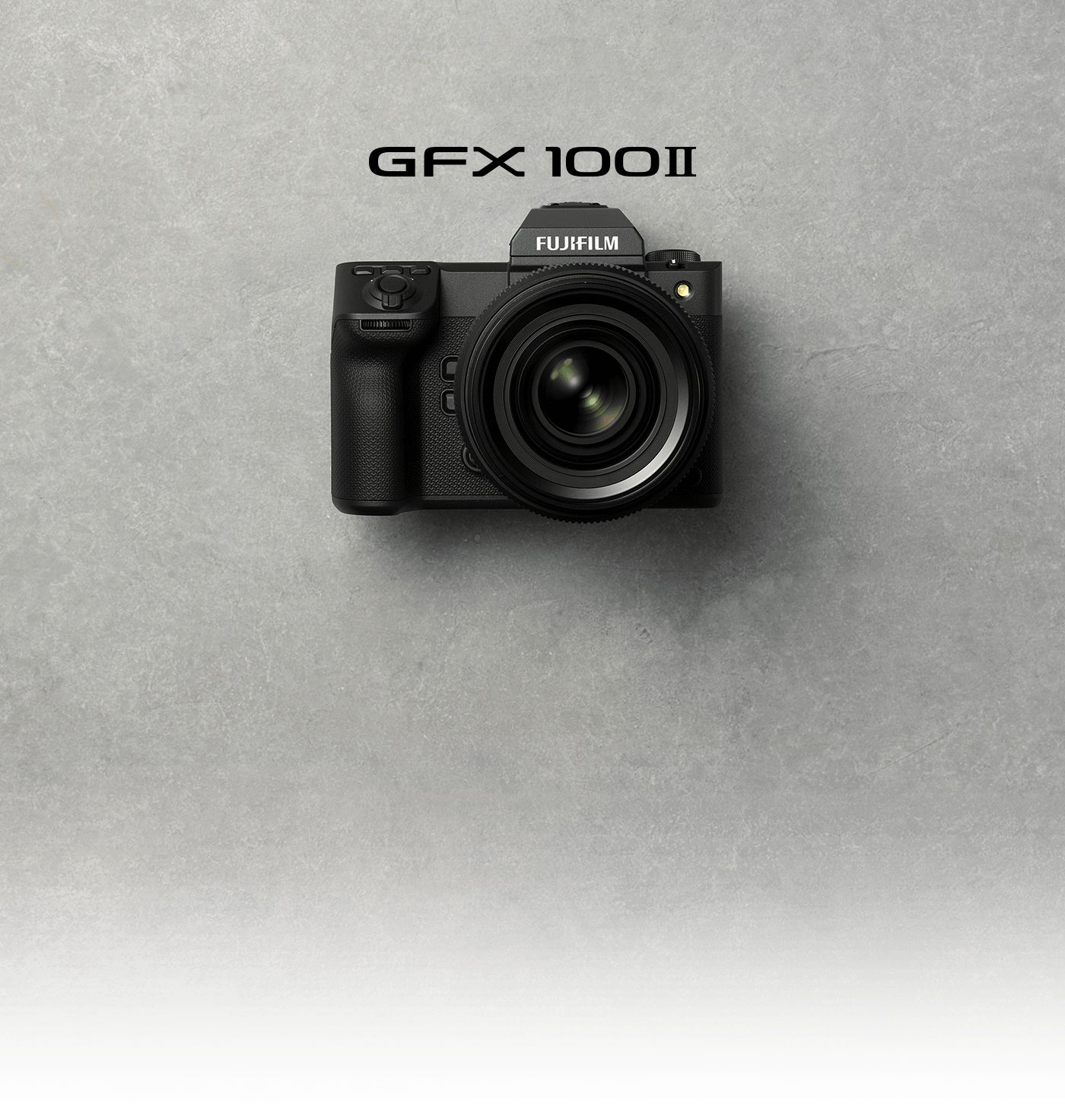
Fujifilm GFX 100 II
The Fujifilm GFX 100 II stands at the top due to its combination of 102 megapixel medium format sensor, fast autofocus, and unexpectedly strong video capabilities. With a new processor, subject detection autofocus, and up to 8 stops of in-body stabilization, the GFX 100 II bridges the gap between high-end studio and dynamic location shooting. It is also surprisingly agile for a medium format body, solidifying its spot as the leading choice for commercial, portrait, and landscape professionals who demand uncompromised image fidelity without sacrificing modern mirrorless speed. While the price and system bulk may limit its appeal to enthusiasts, photographers who invest in the GFX 100 II get arguably the highest level of image quality on the market today with versatile, reliable performance rarely seen in medium format systems.
Pros
- Outstanding 102MP medium format sensor with unmatched detail
- Fast and intelligent autofocus with subject detection
- Impressive in-body stabilization (up to 8 stops)
- Capable 8K/4K video features
Cons
- Large and heavy compared to APS-C alternatives
- High system and lens costs

Fujifilm X-H2
The Fujifilm X-H2 brings class-leading resolution to the APS-C market with its 40MP sensor, excellent in-body stabilization, and advanced video capabilities. It is highly versatile, excelling in landscapes, studio work, and hybrid stills-video content creation. Improved autofocus performance and robust build make it equally suitable for professional work and demanding enthusiasts. Compared to rivals like the X-T5, the X-H2 offers more video features and a more substantial grip, making it perfect for creatives wanting a true do-it-all tool without stepping up to medium format.
Pros
- 40MP APS-C sensor with excellent dynamic range
- Robust build with weather sealing
- Full suite of 8K and 4K video options
- Strong in-body stabilization
Cons
- Larger and heavier than other X-series bodies
- Autofocus not as advanced as the X-H2S in fast action

Fujifilm X-H2S
For action and video shooters, the Fujifilm X-H2S stands out with its stacked 26MP sensor, offering the fastest performance and most advanced autofocus system in Fujifilm's APS-C lineup. The X-H2S delivers blackout-free 40fps bursts, subject tracking AF, and professional video formats, making it ideal for sports, wildlife, and high-end hybrid creators. While its lower resolution sacrifices some detail for ultimate speed, few cameras match the X-H2S in versatility for fast-moving subjects combined with robust video and stills feature set.
Pros
- Rapid burst shooting up to 40fps
- Best-in-class autofocus among Fujifilm bodies
- Excellent video features, including ProRes options
- Effective in-body stabilization
Cons
- Lower resolution than X-H2 and X-T5
- Premium price for an APS-C model

Fujifilm X100VI
The Fujifilm X100VI is a compact, fixed-lens camera that brings the acclaimed 40MP X-Trans sensor to street and travel photography, paired with classic rangefinder styling and a crisp 35mm equivalent f/2 lens. The introduction of in-body stabilization and the hybrid optical/electronic viewfinder makes this the most versatile and user-friendly X100 yet. Its discreet size and portability, combined with truly excellent image quality for its class, make it the perfect everyday camera. Although limited by its fixed lens, the X100VI is the top pick for those wanting a pocketable creative tool, great for candid, documentary, and lifestyle photography.
Pros
- Superb 40MP sensor in a compact form
- Hybrid optical/electronic viewfinder
- Built-in ND filter for creative shooting
- Now features in-body stabilization
Cons
- Fixed 23mm lens limits versatility
- No interchangeable lenses

Fujifilm X-T5
The Fujifilm X-T5 offers the best blend of classic handling, compact size, and high-end features in the X-mount lineup. With the same 40MP sensor as the X-H2, five-axis in-body stabilization, and substantial weather sealing, the X-T5 appeals to purist photographers and enthusiasts who appreciate tactile controls and traditional camera design. It delivers exceptional image quality and strong video for its class, but shines brightest as a compact, well-built tool for travel, street, and everyday photography.
Pros
- High-resolution 40MP sensor in a compact body
- Traditional dials and tactile controls
- Strong IBIS and weather sealing
- Affordable compared to flagship models
Cons
- Less advanced burst and AF than X-H2S
- Limited video features compared to X-H2
You Might Also Like
Frequently Asked Questions
Should I choose a Fujifilm APS-C or medium format camera?
Fujifilm's APS-C cameras are more affordable, compact, and have a wider lens selection, making them best for general photography, travel, action, and content creation. Medium format models like the GFX series deliver unmatched image quality and depth for studio, landscape, and commercial portrait work, but are larger and more expensive. Choose based on your priority for portability or absolute image quality.
Is the X100VI a good primary camera for travel and daily use?
Yes, the X100VI is ideal for travel, street, and everyday use thanks to its compact size, fixed prime lens, and hybrid viewfinder. It delivers pro-level image quality and encourages creativity, but it is less suited to those who need zoom or interchangeable lenses.
Which Fujifilm camera is best for video?
The X-H2 and X-H2S are Fujifilm's strongest video performers, with the X-H2 offering 8K/30p and the X-H2S adding ProRes codecs, superior rolling shutter, and best-in-class AF for fast action. The GFX 100 II also brings advanced video to medium format, but is larger and less practical for run-and-gun work.
Do Fujifilm cameras have good autofocus compared to other brands?
Recent Fujifilm cameras, especially the X-H2S and GFX 100 II, have significantly improved autofocus with subject detection and fast tracking that rivals Canon and Sony. Entry and mid-tier models still lag a little in tracking fast subjects, so action shooters are best served by the flagship models.
How important is in-body stabilization (IBIS) in Fujifilm cameras?
IBIS is very helpful for low-light shooting, handheld video, and working with non-stabilized lenses. Most recent Fujifilm models, including the X-H2, X-T5, X100VI, and GFX 100 II, offer effective IBIS, making them versatile when you are away from a tripod.