Nikon has established itself as a powerhouse in the camera world, offering a robust lineup of mirrorless cameras for photographers of all levels. Whether you are a beginner looking to explore photography or a professional seeking top-tier features, Nikon's Z-mount ecosystem delivers both performance and versatility. With the advent of mirrorless cameras, Nikon has balanced traditional ergonomics with cutting-edge technology, covering everything from compact APS-C bodies to high-end full-frame flagships. When buying a Nikon camera, the key factors to consider include sensor size (APS-C vs full frame), autofocus performance, frame rates, video capabilities, and overall handling. The intended use - from vlogging and travel to sports and studio work - should drive your choice. We ranked these cameras based on real-world image quality, autofocus agility, build quality, feature set, value, and how current they are to ensure you get the best options for your needs. Our selections are based on hands-on testing, feedback from the photography community, and how well each model stands out for specific types of photographers. This ranking highlights not just the technical leaders, but also those models that offer standout value or unique shooting experiences.
Why Trust This List
Our rankings are based on aggregated opinions from real photographers across Reddit communities, combined with detailed specification analysis. We do not accept payment for placement or use affiliate links that influence rankings.
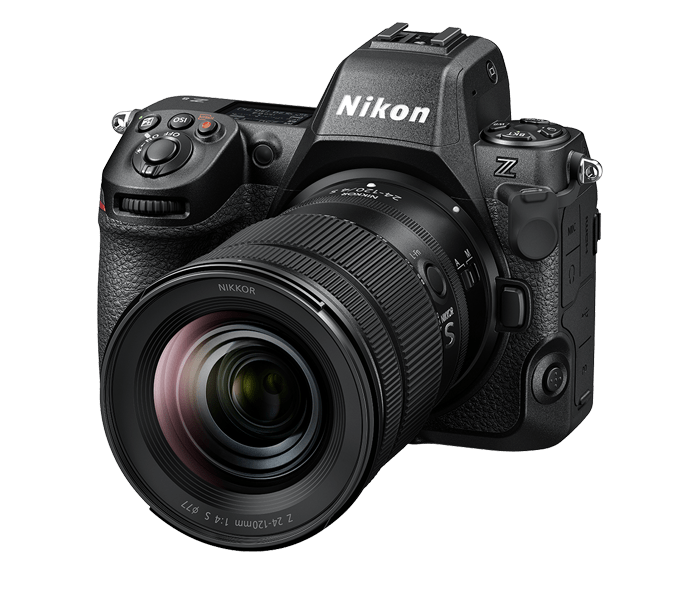
Nikon Z8
The Nikon Z8 claims the top spot for its exceptional balance of professional features and relatively compact form factor. It borrows much of its core technology from the flagship Z9, including a 45.7MP stacked sensor, industry-leading autofocus, and phenomenal video capabilities up to 8K. Unlike its bigger sibling, it achieves this in a lighter, more nimble body that appeals to both pro photographers and hybrid shooters. The Z8 is best suited for advanced enthusiasts and pros who need a versatile camera for both stills and video, including wedding shooters, portrait artists, event coverage, and even wildlife. Its feature set surpasses all other Nikon offerings in this list, making it an excellent investment for those demanding the very best performance without the bulk of a true flagship.
Pros
- 45.7MP stacked sensor for outstanding detail and dynamic range
- Top-tier autofocus, including subject detection for people, animals, and vehicles
- 8K and 4K120p video with pro-level codecs and internal recording
- Weather-sealed pro build quality in a relatively compact form
Cons
- High price point
- Large files demand fast cards and lots of storage
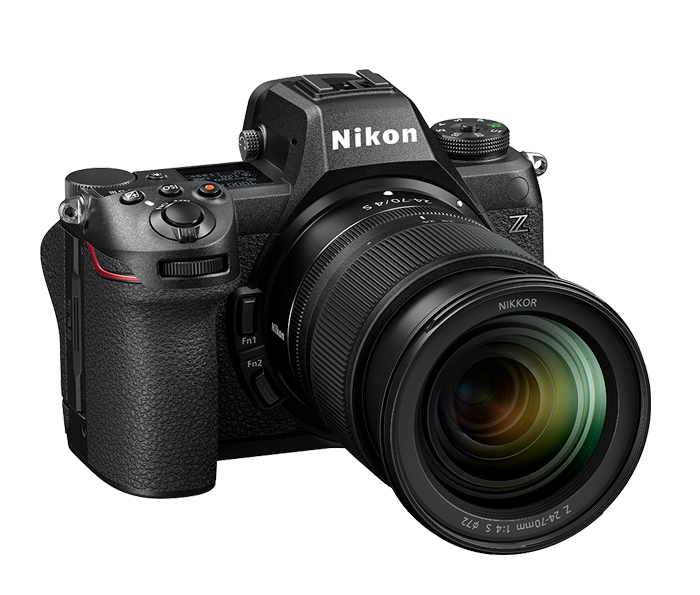
Nikon Z6III
The Nikon Z6III earns a high ranking for its impressive blend of speed, image quality, and video features at a price approachable to serious enthusiasts. The Z6III takes a leap over its predecessor by introducing a partially stacked 24MP sensor, faster readout, much-improved AF, and high frame rates, closing the gap between the entry segment and Nikon's flagship models. This makes the Z6III a top all-around choice for hobbyists, wedding, and event photographers wanting full-frame capability without going overboard on size or budget. While not quite as bleeding-edge as the Z8 for resolution, the Z6III offers significant improvements for action and video at a friendly price-performance point.
Pros
- High-speed 24MP sensor with excellent dynamic range
- Robust subject detection AF and fast continuous shooting
- Strong 6K video features and internal RAW video
- Good battery life and modern ergonomics
Cons
- Lower resolution than Z7 II/Z8 for large prints
- LCD and EVF not quite flagship-level
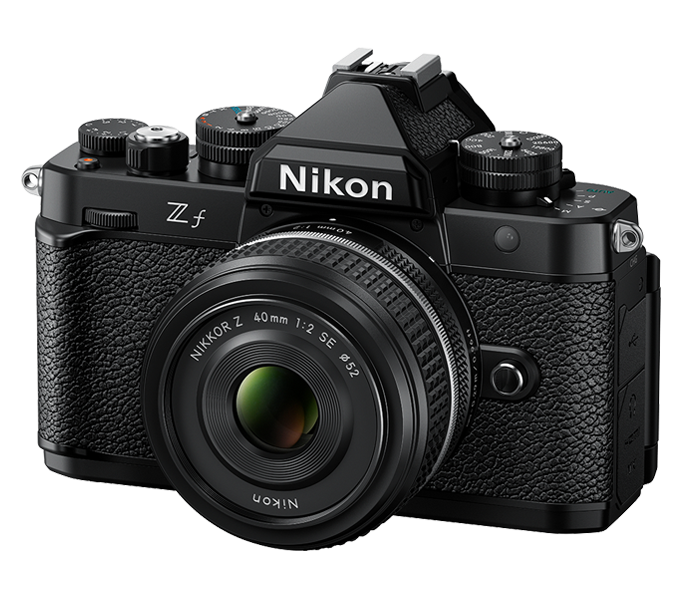
Nikon Zf
Nikon's Zf stands out for its unique blend of classic styling and full-frame mirrorless performance. It pairs a robust 24MP sensor with modern autofocus and full-featured 4K video, housed in a beautiful retro body reminiscent of Nikon's film classics. This camera is designed for those who value aesthetics as much as image quality, such as street shooters, travel photographers, and anyone drawn to tactile controls. While not the absolute technical leader, the Zf impresses by delivering most of the Z6III's performance in a package that is both distinctive and inspiring to use. If you want the most style and soul in your shooting experience without sacrificing modern capabilities, the Zf is the clear winner.
Pros
- Gorgeous vintage-inspired design with tactile dials
- Strong 24MP sensor and reliable AF system
- Impressive 4K video features with 10-bit recording
- Compact and discreet for travel and street
Cons
- Not as rugged as pro bodies
- Single card slot may limit pro workflows
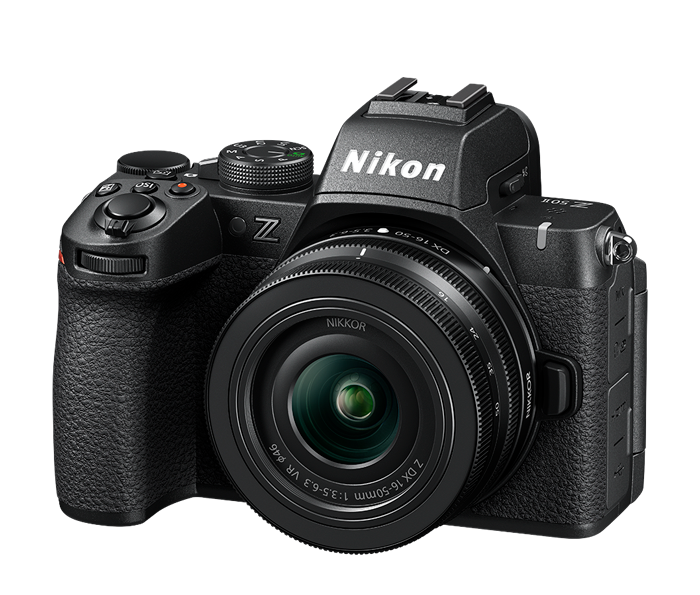
Nikon Z50II
The Z50II is Nikon's latest and greatest APS-C mirrorless, offering significant upgrades over the original Z50 and Zfc. It provides a compact and lightweight body, snappy autofocus, and improved video and connectivity features, making it ideal for vloggers, families, and travel shooters working on a tighter budget or prioritizing portability. With a smaller sensor than the full-frame models, the Z50II focuses on value and versatility. It's the best entry point for those new to the Nikon Z system, offering room to grow without overwhelming complexity or cost.
Pros
- Compact and lightweight for daily use or travel
- Fast, reliable autofocus with subject tracking
- Improved video and vlogging features
- Great value for an entry/mid-level hybrid shooter
Cons
- APS-C sensor has less dynamic range than full frame
- Limited selection of native Z-mount DX lenses
Nikon Z9
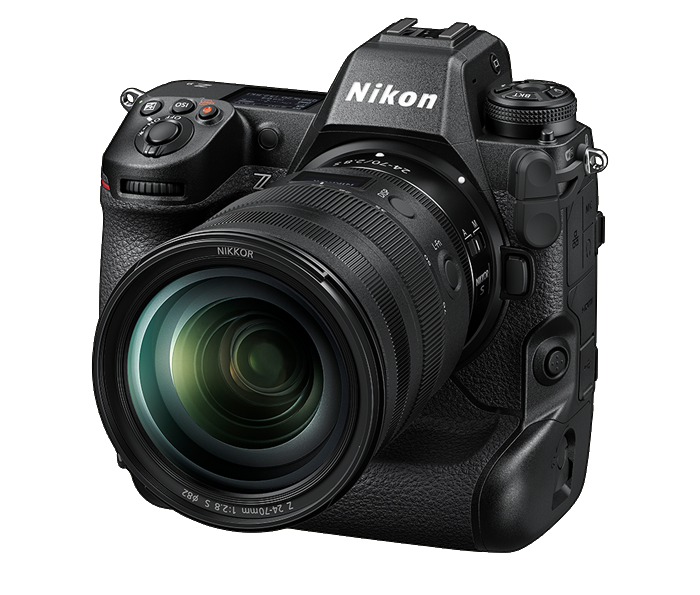
The Nikon Z9 sits at the top of Nikon's lineup as the ultimate flagship mirrorless, packing pro-level performance for sports, wildlife, and commercial work. Its 45.7MP stacked sensor, blackout-free EVF, blistering speed, and unmatched build quality make it a true workhorse for demanding professionals. Its price and size put it out of reach for most hobbyists, but for those needing the best speed, ruggedness, and raw power, the Z9 is unmatched. It offers everything found in the Z8 with a bigger, more durable, and better-weather-sealed body intended for tough assignments.
Pros
- Flagship-level 45.7MP sensor and ultra-fast performance
- Blackout-free EVF great for sports/action
- Outstanding weather sealing and battery life
- Advanced 8K/4K video capabilities
Cons
- Heavy and bulky compared to other Z models
- Very expensive and overkill for casual users
Nikon Z5II
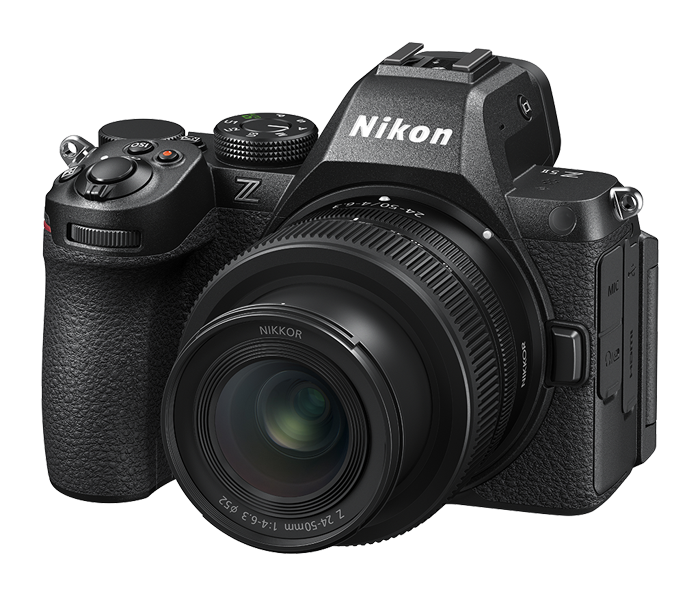
The Z5II (expected 2025) represents Nikon's commitment to making full-frame accessible. Building on the well-liked Z5, this successor will offer a balanced feature set aimed at enthusiasts who want full-frame quality and Z-mount versatility without breaking the bank. Anticipated improvements will address the Z5's slower burst rate and basic video chops, likely with upgraded AF and better video specs. It's an ideal gateway for hobbyists and creators wanting the look and shallow depth of field of full-frame, but who don't need all the speed or resolution of higher-end models.
Pros
- Affordable entry to full-frame mirrorless
- Expected improved AF and video over original Z5
- Flexible handling for photo and light video work
Cons
- Not as fast or feature-rich as Z6III or Z8
- Not confirmed at time of writing, so details are pending
You Might Also Like
Frequently Asked Questions
Should I choose a full-frame or APS-C Nikon mirrorless camera?
Full-frame cameras typically provide better low-light performance, dynamic range, and depth of field control, making them ideal for demanding photography like portraits, landscapes, and professional work. APS-C cameras are smaller, lighter, and generally less expensive, making them a great choice for travel, vlogging, casual use, and those on a tighter budget.
What should I look for in autofocus performance?
Look for phase-detect autofocus points that cover a wide area of the frame and support advanced subject recognition (people, animals, vehicles). Fast, accurate autofocus is essential for action, sports, and wildlife, but also improves everyday shooting reliability. Newer models tend to have much improved AF algorithms.
How important are video features in Nikon cameras?
If you plan to shoot video, consider frame rates (4K/6K/8K), bit depth (10-bit is preferable for grading), internal vs external recording options, and support for features like log profiles. Hybrid shooters should seek models with robust video specs, built-in stabilization, and microphone/headphone ports.
Is the Nikon Z mount system a good choice for future lens options?
Yes, the Nikon Z mount is rapidly expanding with high-quality lenses covering everything from ultra-wide to telephoto and primes to zooms. If you have legacy Nikon F-mount glass, adapters are available, but native Z lenses generally deliver the best results on mirrorless bodies.
How do I choose the right Nikon camera for my skill level?
Beginners and travel shooters should focus on the Z50II or Z30 for their simplicity and portability. Enthusiasts looking to grow should consider the Zf or Z6III, which have advanced features but are approachable. Professionals or those needing top performance for sports, weddings, or commercial use should look toward the Z8 or Z9.
Are older Nikon Z cameras still worth buying?
Older models like the Z6, Z7, and Z50 can still offer excellent value if found used or at a discount, though their autofocus and video features may lag behind the latest models. For tight budgets, they remain good choices, but for longevity and future-proofing, newer cameras are recommended.