The camera market in 2024 has delivered an impressive mix of cutting-edge mirrorless bodies, versatile zooms, and high-performance fixed-lens models, making it an exciting year for photographers and content creators alike. With advancements in autofocus, portability, feature-rich compacts, and lens technology, buyers have more powerful tools available across every segment and budget. Whether you are looking for a travel-friendly companion, the ultimate street photography machine, or the longest-reaching wildlife lens, there's something for everyone. When selecting the best cameras and lenses of 2024, it's crucial to consider your primary shooting style, preferred sensor size, system versatility, and real-world usability. We ranked these products based on their overall performance, value for money, innovation, and their impact within their category. Each pick stands out for specific users, from pros on assignment to passionate hobbyists or those wanting the best image quality in a compact package.
Why Trust This List
Our rankings are based on aggregated opinions from real photographers across Reddit communities, combined with detailed specification analysis. We do not accept payment for placement or use affiliate links that influence rankings.

Fujifilm X100VI
The Fujifilm X100VI stands atop our best cameras of 2024 thanks to its superb blend of image quality, usability, and unique street-friendly design. With a 40MP APS-C sensor, fast hybrid autofocus, and Fujifilm's celebrated color science, it appeals to both enthusiast and professional photographers who want a compact camera without compromises. The X100VI's fixed 23mm f/2 lens is not only sharp but also perfectly matched to the body, creating an all-in-one experience that excels for travel, documentary, and everyday photography. Significant upgrades this year - like subject-tracking AF, 6-stop in-body image stabilization, and 6K video - have further solidified the X100VI's reputation as a best-in-class fixed lens camera. Its tactile physical controls and retro styling appeal to those who love an analog shooting feel. While its lack of lens interchangeability means it's not for everyone, it dominates the fixed-lens premium compact category and is a joy to use for creative image making.
Pros
- Class-leading APS-C image quality in a compact body
- Hybrid viewfinder and premium tactile controls
- Excellent autofocus and video upgrades
- Iconic design and robust build quality
Cons
- Fixed lens limits versatility
- High demand makes it hard to find at retail price
Panasonic S9
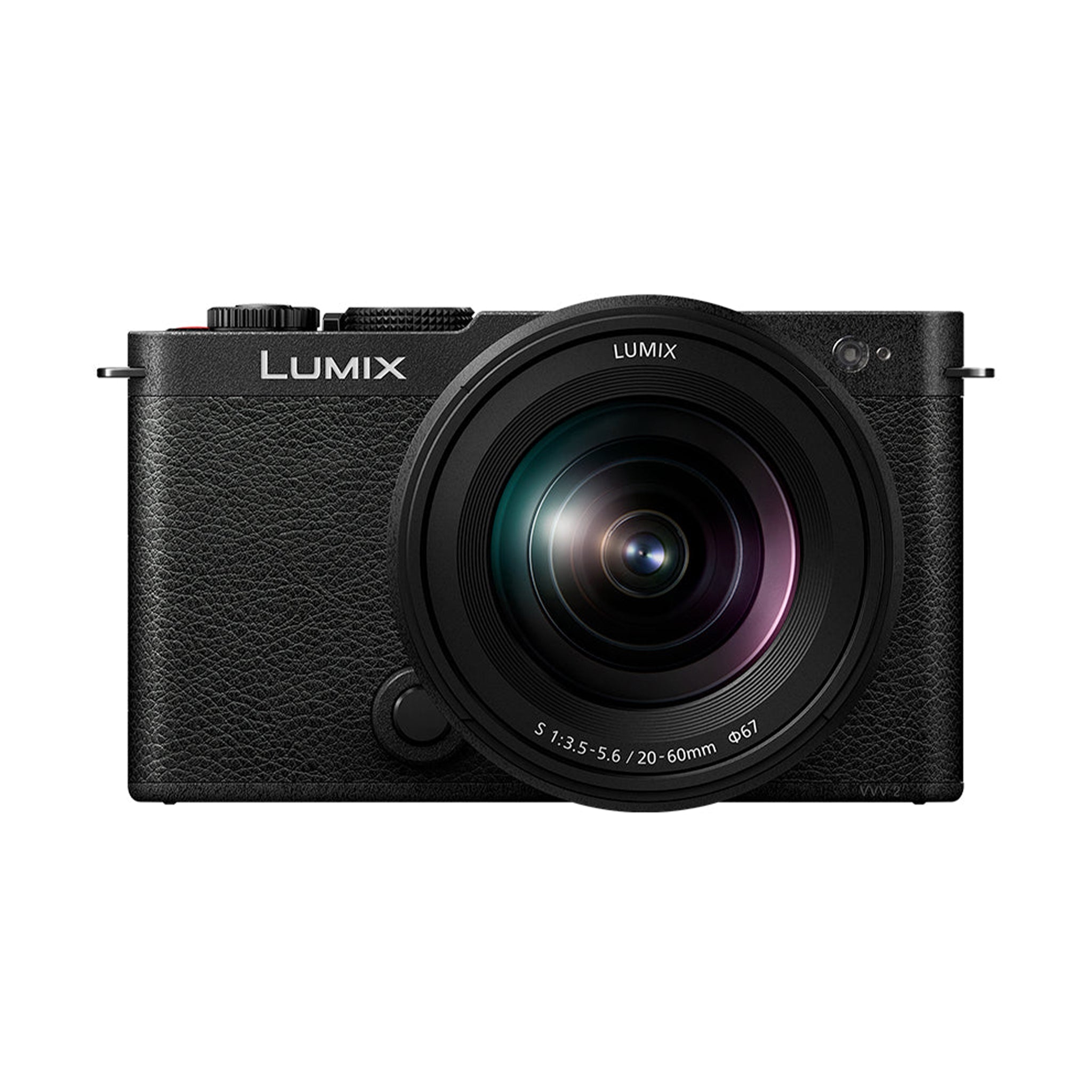
Panasonic's S9 is a standout mirrorless full-frame camera that brings compact size and approachable controls to those who want big-sensor image quality on the go. Its stylish, minimalist design hides a very capable 24MP sensor with superb color depth and strong low-light performance. Content creators and vloggers will appreciate its improved autofocus tracking, in-body image stabilization, and professional-grade video options, including 4K 60p. The S9 is well-suited for travel, street, and hybrid stills/video workflows, landing just behind the X100VI due to its full-frame flexibility and system expandability. However, its lack of a built-in viewfinder and a single SD slot make it less optimal for demanding professionals. Nonetheless, for users seeking premium results without the bulk, the S9 is one of the most exciting releases of the year.
Pros
- Full-frame image quality in a super-compact body
- Excellent stabilization and video specs
- Attractive and intuitive design
- Extensive L-mount lens selection
Cons
- No built-in electronic viewfinder
- Single card slot
Panasonic ZS99
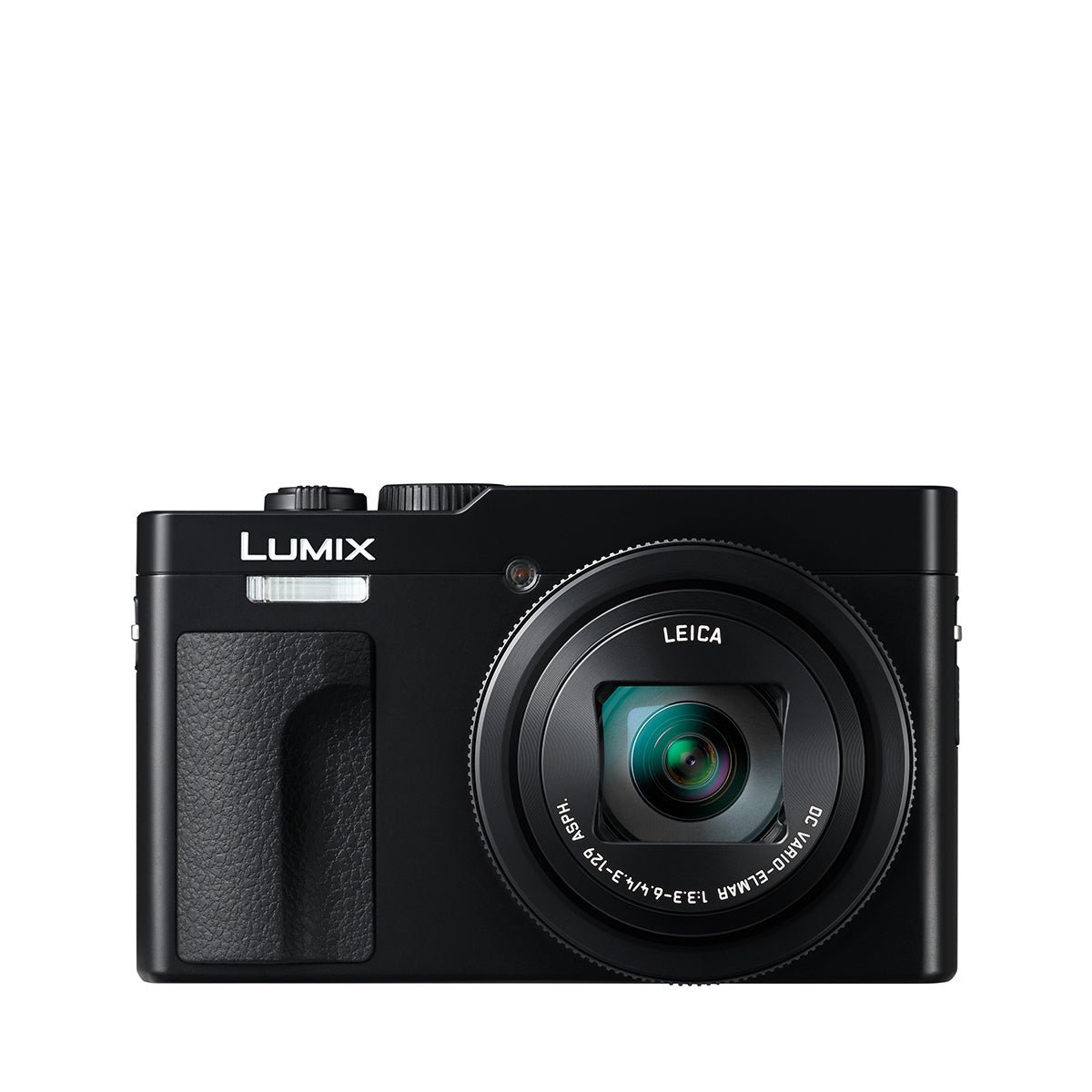
The Panasonic ZS99 is one of the year's best compact travel zoom cameras, delivering performance and flexibility few rivals can match. Its long zoom range, high-quality 1-inch sensor, and fast autofocus make it ideal for vacations, family outings, and casual shooting. Despite its pocketable size, the ZS99 offers useful features like a built-in viewfinder, 4K video, touch controls, and wireless sharing. Compared to top-ranked models, the ZS99 can't match their low-light performance or depth of field control, but for travelers needing one device that does it all, it's a fantastic solution. It's also a great alternative for smartphone users looking to step up to better zoom range without sacrificing convenience.
Pros
- Extensive zoom in a pocket-sized package
- 1-inch sensor offers solid image quality
- Built-in viewfinder and 4K video
- Fast and versatile autofocus
Cons
- Limited manual controls compared to larger cameras
- Smaller sensor struggles in low light
Canon RF-S 14-30mm f/4-6.3 IS STM PZ
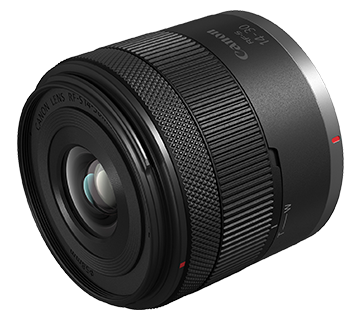
Canon's RF-S 14-30mm f/4-6.3 IS STM Power Zoom lens fills a much-needed niche in the RF-S lineup, delivering ultra-wide versatility for APS-C shooters. It's a highly practical lens for landscapes, vlogging, and architecture thanks to its compact size, quiet autofocus, and optical stabilization. The motorized zoom is especially great for smooth video work, giving EOS R APS-C users a genuine wide-angle option at an affordable price. While it doesn't offer the fastest aperture and is designed primarily for crop-sensor bodies, its lightweight and feature-rich package make it a strong choice for casual shooters, content creators, and those on the move.
Pros
- Genuinely wide 14mm field-of-view for APS-C
- Lightweight and very compact
- Smooth power zoom ideal for video
- Effective stabilization
Cons
- Slow maximum aperture limits low-light use
- Not suitable for full-frame cameras
You Might Also Like
Frequently Asked Questions
How do I choose between a fixed lens camera and an interchangeable lens system?
Fixed lens cameras like the Fujifilm X100VI offer portability, simplicity, and often tightly integrated design, making them ideal for travel or street photography where discretion and speed are valuable. Interchangeable lens systems (such as Panasonic S9 or Canon RF-S) provide far more versatility for various genres through lens swaps, but come with greater complexity and often more weight. Consider your shooting style and willingness to invest in additional lenses-if you value ultimate flexibility, go with an interchangeable system; if you want an all-in-one, easily accessible tool, fixed lens options are unbeatable.
Is sensor size important for image quality?
Yes, sensor size is directly linked to image quality, especially in low light and for depth-of-field control. Full-frame sensors (like in the Panasonic S9) generally perform best in dynamic range and noise, APS-C sensors (such as in the X100VI) offer an excellent balance of size and performance, and smaller sensors (like those in travel zooms) prioritize portability. Choose based on your preferred balance between image quality, lens size, and camera weight.
Which camera is best for travel or vlogging?
If portability and ease of use are top priorities, the Fujifilm X100VI and Panasonic ZS99 both offer excellent options-one for premium image quality, the other for zoom versatility. For dedicated vloggers, Canon's RF-S 14-30mm f/4-6.3 PZ lens paired with an EOS R APS-C body offers power zoom for smooth videos, while the Panasonic S9 delivers high-quality video with full-frame depth-of-field and color.
What should wildlife or sports photographers look for?
Wildlife and sports require long reach and fast autofocus. Both the Fujifilm XF 500mm f/5.6 R LM OIS WR and Panasonic S 100-500mm f/5-7.1 excel here, providing the telephoto power needed to capture distant subjects. Look for lenses with optical stabilization, weather sealing, and pair them with a camera body that offers high burst rates and reliable tracking AF.
How important are lens choices for a system camera?
Lens selection massively impacts what you can shoot with an interchangeable lens system. A growing lens lineup, like Canon's RF or Panasonic's L-mount options, gives you the breadth to adapt your kit as your photography evolves. Before choosing a system, research available lenses and consider your future needs-do you need fast primes, long zooms, or macro options? The more diverse the ecosystem, the more flexible your creative options.