Overview
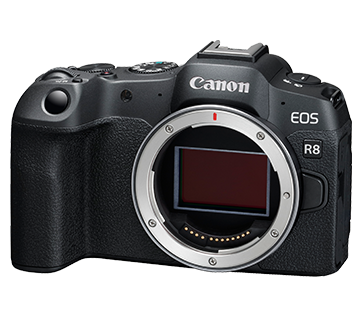
The Canon EOS R8 is positioned as an entry to mid-level full-frame mirrorless camera that offers exceptional image quality and advanced features, catering to both enthusiasts and aspiring professionals. With a 24MP full-frame sensor and an impressive range of ISO sensitivity (100-102400), it is tailored for low-light performance, allowing users to capture stunning images in challenging conditions. The camera's RF lens mount provides access to a wide variety of lenses, enriching the versatility and possibilities for photography and videography alike. Priced at $1499, the R8 stands as an attractive option for those looking to upgrade from APS-C sensors or smaller mirrorless systems while still maintaining a balance between powerful features and portability.
The R8’s key selling points lie in its autofocus system, which boasts 1,053 autofocus points that ensure reliable tracking across various subjects, from portraits to wildlife. Coupled with its 4K 60p video capability, this camera is well-suited for creators who want high-quality video without the typical crop factor, further emphasizing Canon’s commitment to providing professional-grade features in a more compact design. However, potential buyers may need to consider its limitations, such as the lack of in-body stabilization and a single SD card slot, which may affect its appeal for certain professional applications.
Image Quality
The Canon EOS R8 excels in image quality due to its full-frame 24MP sensor, which is designed to produce rich detail and vibrant colors. In real-world tests, users have noted excellent performance even at higher ISO settings, with many praising its low-light capabilities. A standout feature is the camera’s ability to perform exceptionally well up to ISO 12800 with minimal noise, providing clear and usable shots in indoor or dim environments. This capability is particularly advantageous for event photographers and videographers who often operate in less-than-ideal lighting conditions.
Additionally, the R8's JPEG processing offers a pleasing balance between detail retention and noise reduction, making it suitable for immediate use straight from the camera. Canon's color science shines through, delivering natural skin tones and vivid landscapes that require minimal editing. The RAW files captured by the R8 allow for extensive post-processing flexibility, thus enabling photographers to refine their images to meet specific aesthetics.
However, it’s worth noting that the kit lenses may not fully exploit the potential of the R8’s sensor, particularly in low light, with some users commenting on their struggle to achieve optimal results in such situations. As highlighted by u/GlyphTheGryph, while the R8 shares the same excellent sensor as higher-end models like the R6 II, it’s essential to pair it with quality lenses to truly maximize its advantages.
What Users Say
The R8 shares the same excellent sensor, autofocus, and overall performance of the R6 II but uses a smaller battery and cuts down features to save on weight and cost.
-- Reddit community
For my usage, it is the best camera I ever had. Makes insanely fun to work with.
-- Reddit community
Autofocus Performance
The autofocus performance of the Canon EOS R8 is one of its standout features, providing users with reliable tracking and responsiveness in a variety of shooting scenarios. With 1,053 autofocus points, the system utilizes Dual Pixel CMOS AF technology, ensuring high-speed and accurate focus acquisition. Users have expressed satisfaction with the focus tracking capabilities, particularly in dynamic settings such as sports and wildlife photography, where the predictability of moving subjects can be a challenge.
The camera’s tracking performance has been characterized as 'magical' by users who upgraded from earlier Canon models, while commentaries suggest that this level of accuracy is a clear upgrade for anyone transitioning from entry-level systems. The R8 effectively recognizes eye detection in both humans and animals, which significantly enhances portrait photography. This tech ensures that the subject's eyes remain sharp, regardless of the unpredictable movements often encountered in naturalistic conditions.
One of the notable challenges mentioned by users is the reliance on the camera’s battery life during extended autofocus-intensive shoots. With the R8 drawing heavily on power in continuous autofocus scenarios, users often recommend having additional batteries on hand for longer activities. Nonetheless, for most practical purposes, the autofocus system proves to be a highly effective asset for both still images and video.
What Users Say
The autofocus may as well be magic in comparison.
-- Reddit community
Build Quality & Ergonomics
Canon has crafted the EOS R8 with a focus on both robustness and user-friendly design. Weighing only 461 grams, it’s one of the lighter full-frame options available, which makes it a great companion for day-long shoots or travel. The weather-sealed body ensures that the camera remains protected against dust and moisture, instilling confidence to shoot in challenging environments.
The ergonomics of the R8 are well-thought-out, allowing for comfortable handling during prolonged use. The grip is appropriately contoured, providing a secure hold—even when attaching larger RF lenses. The controls are intuitively placed, with customizable buttons enhancing accessibility to frequently used functions. Users have positively noted the camera's interface, remarking that it flows logically, contributing to a more enjoyable shooting experience.
The 3-inch touchscreen with 1,620,000 dots is responsive and easy to navigate, enhancing the shooting experience, particularly for videographers looking to streamline their setups. However, the absence of a fully articulating screen may limit some users, particularly vloggers and content creators who prefer to frame themselves at various angles. Overall, the balance between build quality, design, and user ergonomics makes the R8 a reliable camera for various photographic adventures.
Video Capabilities
The EOS R8 sets a new standard for 4K video recording in its price bracket, offering 60p video capture without a crop, which is a significant advantage over many competitors in the same category. This capability enables users to create wide-angle shots without compromising distortion, thus preserving overall composition integrity. Additionally, the R8 supports Canon Log, allowing for expansive dynamic range and greater flexibility in post-production, which many videographers appreciate.
Some users find the combination of video features and quality to be industry-leading at this price point. They have shared their enthusiasm about the camera's ability to produce cinematic footage with pleasing color profiles, high detail, and a well-managed depth of field. Complaints regarding the lack of in-body image stabilization (IBIS) are not uncommon, as stability becomes crucial when shooting handheld. However, careful practice with techniques or the use of lens stabilization can mitigate this limitation.
While the lack of IBIS might deter serious videographers, many users still find the R8's lightweight design a significant benefit for on-the-go shooting. Its combination of solid video performance, dynamic range transmission, and user-friendly features make it a standout choice for amateurs and professionals alike.
What Users Say
For my usage, it is the best camera I ever had. Makes insanely fun to work with.
-- Reddit community
Battery Life & Storage
The Nikon EOS R8 is powered by a smaller battery compared to some of its more advanced siblings in the R-series lineup, and this has raised some concerns among users regarding battery life during intense shoots. The CIPA rating is about 440 shots, which can prove inadequate for full-day events or extended photography sessions in the field. Thus, carrying multiple spare batteries is frequently recommended by community members to avoid power failures during critical moments.
From a storage perspective, the camera features a single SD card slot, which notably restricts redundancy crucial for many professional setups. This limitation is viewed unfavorably by users who require backup options for safety and security of their captured content. The concern for data reliability cannot be overstated, especially for important events where every shot counts. Users have reported that this single-slot design makes them cautious during long shooting days.
While such limitations are manageable for hobbyists or casual shooters, professional photographers or videographers may find the lack of backup options a significant downside. This does create a feeling that the R8, while powerful, is still leaning towards entry-level user considerations rather than fully meeting industry-grade expectations.
Value for Money
With a starting price of $1499, the Canon EOS R8 becomes highly competitive within the full-frame mirrorless segment. It offers impressive specifications like a full-frame sensor, advanced autofocus system, and high-quality 4K video capabilities, all packed into a lightweight and compact body. Given these features, it represents a strong value proposition for enthusiasts looking to step up their photography game without breaking the bank.
Community feedback emphasizes that while competitors may provide similar specifications, the R8 consistently matches or exceeds perceived value in terms of image quality and performance. User comparisons often highlight that for the price range, the R8 can be viewed as delivering the same sensor and computing power found in significantly more expensive models, which aligns with u/TrickyNick90's comments about the camera's worth.
Nonetheless, the trade-offs such as battery life, lack of IBIS, and single card slot might steer some users toward higher-end options. For those who can work within these confines, the R8 represents an outstanding entry point to full-frame photography, especially for those transitioning from crop sensors or non-full-frame systems.
What Users Say
With the R8 you’re getting the same sensor and computing power of a much more expensive camera.
-- Reddit community
Key Specifications
| ISO Range | 100-102400 |
| Stabilization | No |
| Viewfinder | Electronic |
Pros & Cons
Pros
- Exceptional low-light performance with reduced noise at high ISO
- Highly effective autofocus system with reliable tracking
- Advanced 4K video capabilities with no crop
- Lightweight design adds portability
- Good ergonomics and user interface
Cons
- Limited battery life necessitates extra batteries
- No in-body image stabilization impacts handheld shooting
- Single SD card slot raises concerns for redundancy
- Kit lenses may not perform well in low light
Verdict
Canon EOS R8
In summary, the Canon EOS R8 is an excellent choice for both photography enthusiasts and budding professionals who need a feature-rich, portable full-frame camera. Its strengths in image quality, autofocus performance, and video capabilities make it an attractive option for various types of users, from portraitists to those capturing dynamic action. However, the limited battery life and lack of IBIS may act as deterrents for serious professionals or those who need reliable backup options. Overall, the R8 notably represents a compelling value in the current market, offering advanced features at a more accessible price point.
Frequently Asked Questions
Does the Canon EOS R8 have in-body image stabilization?
No, the Canon EOS R8 does not feature in-body image stabilization, which means you'll need to rely on lens stabilization or other stabilization techniques.
What types of photography is the Canon EOS R8 best suited for?
The R8 is versatile and well-suited for a range of photography types, including portraits, wildlife, sports, and low-light environments, thanks to its excellent autofocus and noise performance.
Can the R8 shoot in 4K video without a crop?
Yes, the Canon EOS R8 can shoot 4K video at 60 frames per second without any crop, allowing for wider shots and better framing.
What is the battery life like on the Canon EOS R8?
The battery life is rated at approximately 440 shots per charge, which may require users to have additional batteries for longer shooting sessions.
What kind of memory card does the R8 use?
The Canon EOS R8 uses a single SD card slot that is compatible with UHS-II cards, which can improve write speeds, but having only one card slot may raise concerns for professional use.
Compare This Camera
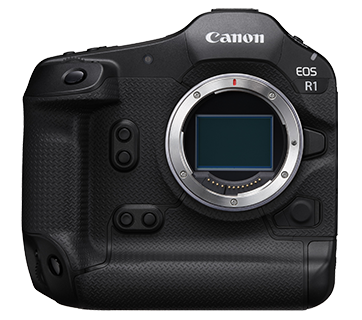
Canon EOS R8 vs Canon EOS R1
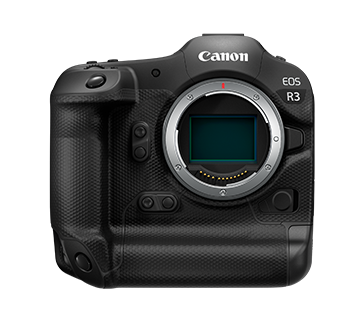
Canon EOS R8 vs Canon EOS R3
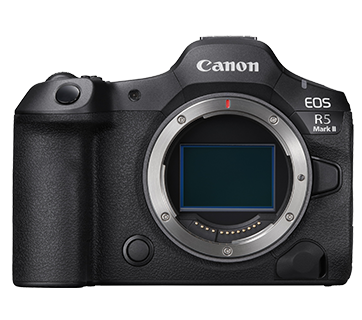
Canon EOS R8 vs Canon EOS R5 Mark II
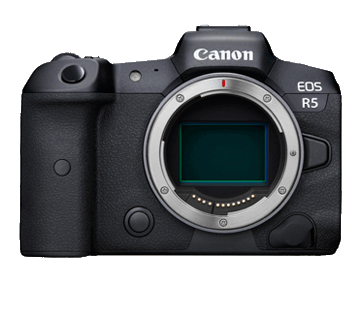
Canon EOS R8 vs Canon EOS R5
Canon EOS R8 vs Canon EOS R6 Mark II
Canon EOS R8 vs Canon EOS R6 Mark III
Canon EOS R8 vs Canon EOS RP
Canon EOS R8 vs Nikon Z5
Canon EOS R8 vs Nikon Z5II
Canon EOS R8 vs Nikon Z6 II
Canon EOS R8 vs Nikon Z6
Canon EOS R8 vs Nikon Z6III
Canon EOS R8 vs Nikon Z7 II
Canon EOS R8 vs Nikon Z7
Canon EOS R8 vs Nikon Z8
Canon EOS R8 vs Nikon Z9
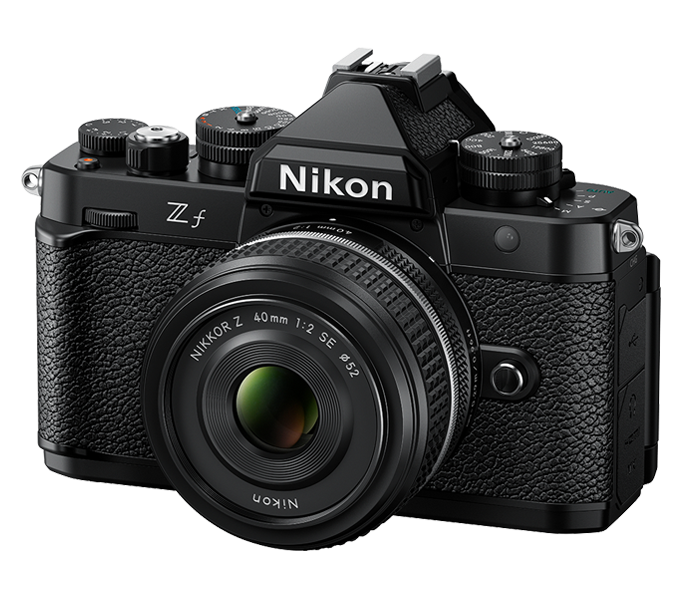
Canon EOS R8 vs Nikon Zf
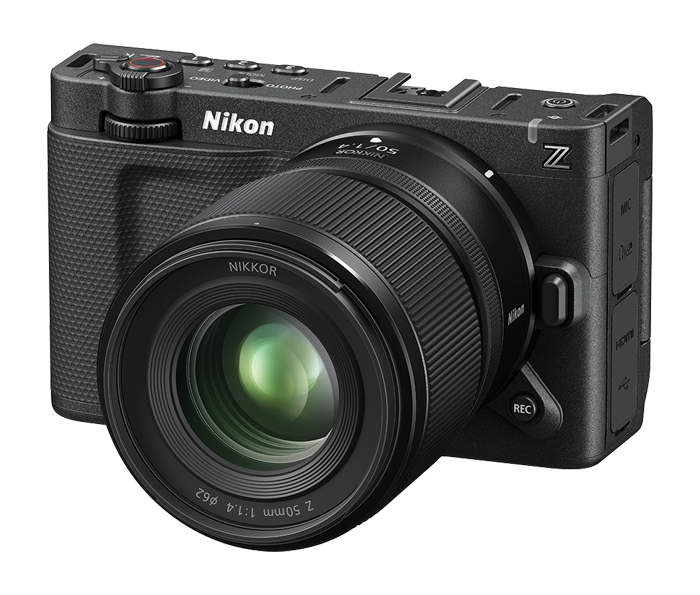
Canon EOS R8 vs Nikon ZR
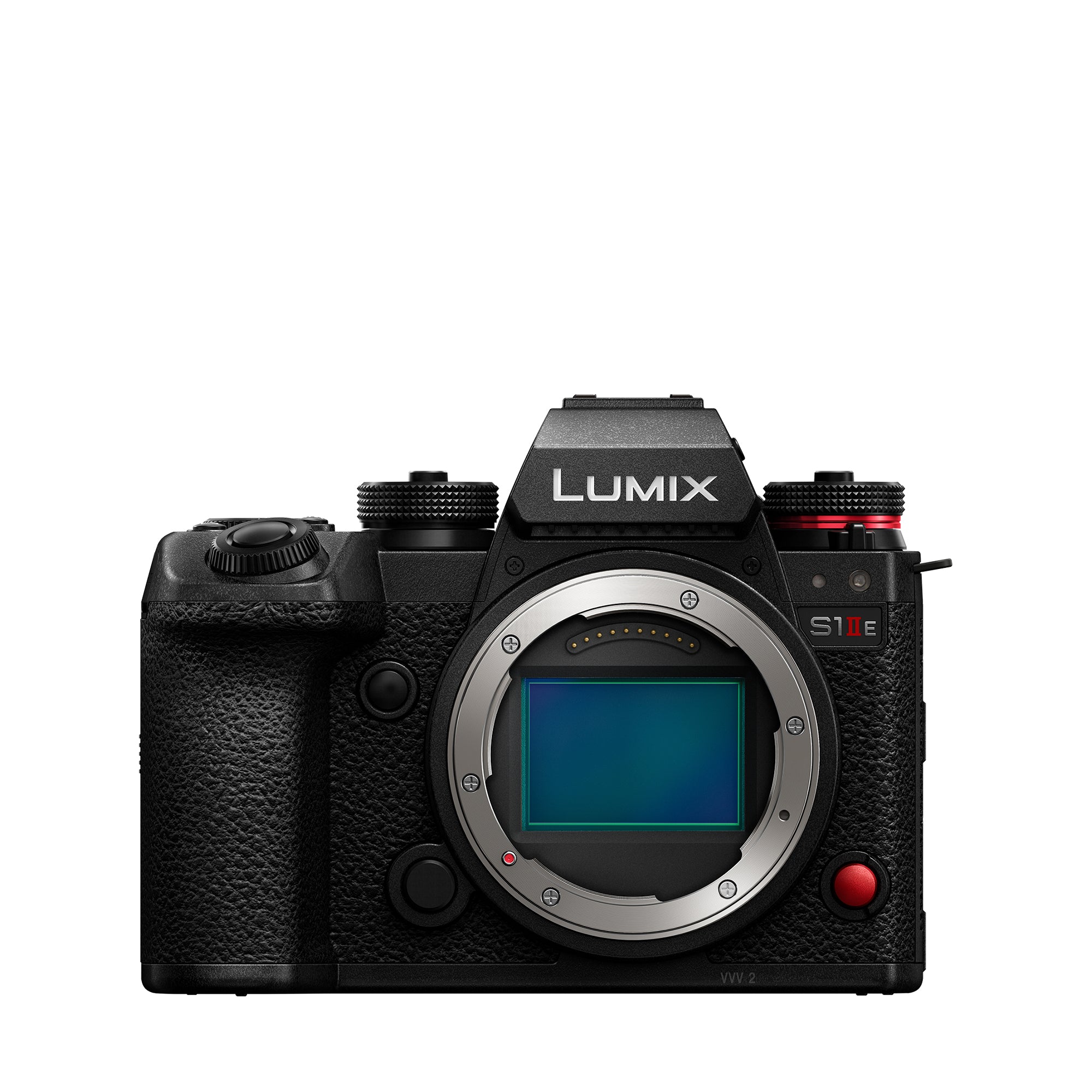
Canon EOS R8 vs Panasonic S1 II E
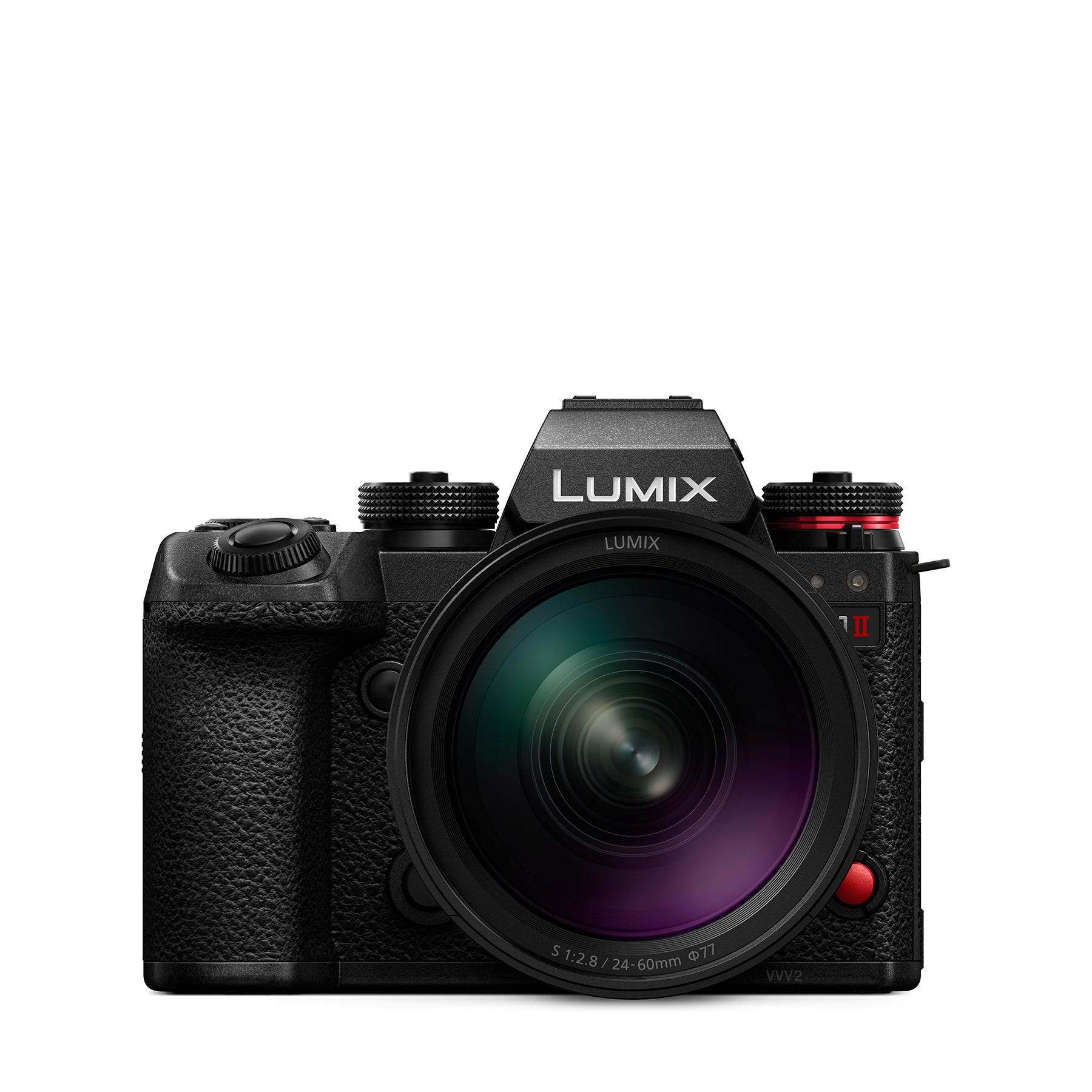
Canon EOS R8 vs Panasonic S1 II
Canon EOS R8 vs Panasonic S1R II
Canon EOS R8 vs Panasonic S9
Canon EOS R8 vs Sony A1
Canon EOS R8 vs Sony A7 III
Canon EOS R8 vs Sony A7 IV
Canon EOS R8 vs Sony A7C II
Canon EOS R8 vs Sony A7C
Canon EOS R8 vs Sony A7R IV
Canon EOS R8 vs Sony A7R V
Canon EOS R8 vs Sony A7S III
Canon EOS R8 vs Sony A9 II
Canon EOS R8 vs Sony A9 III
Canon EOS R8 vs Sony ZV-E1
Compatible Lenses
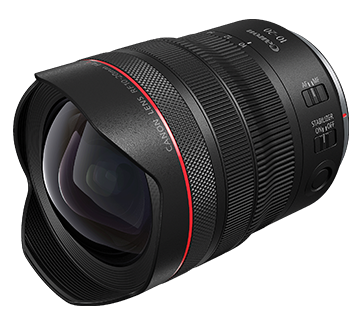
RF 10-20mm f/4L IS STM
lens
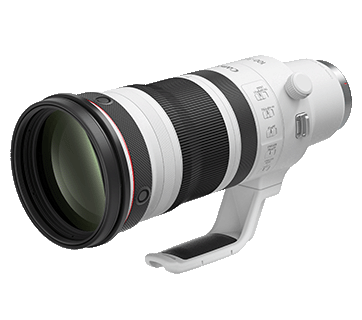
RF 100-300mm f/2.8L IS USM
lens
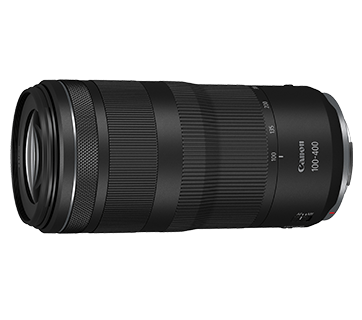
RF 100-400mm f/5.6-8 IS USM
lens
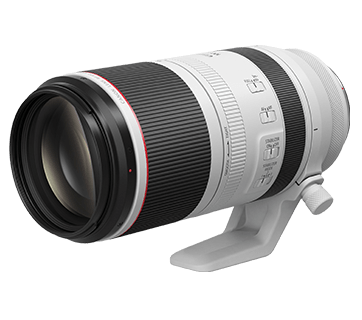
RF 100-500mm f/4.5-7.1L IS USM
lens
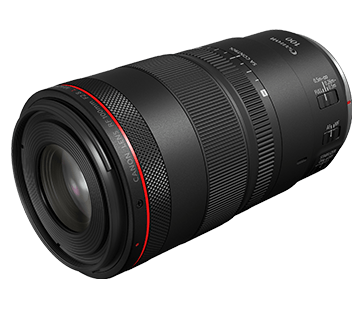
RF 100mm f/2.8L MACRO IS USM
lens
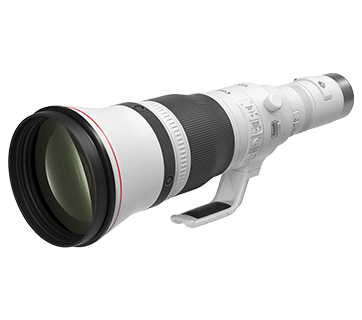
RF 1200mm f/8L IS USM
lens
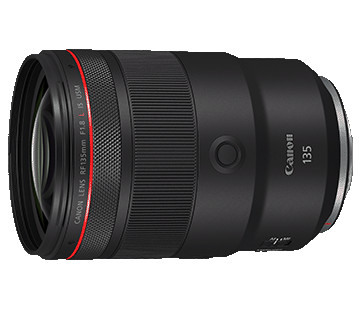
RF 135mm f/1.8L IS USM
lens
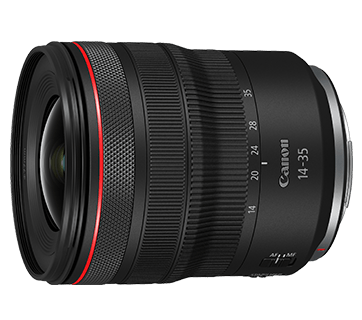
RF 14-35mm f/4L IS USM
lens
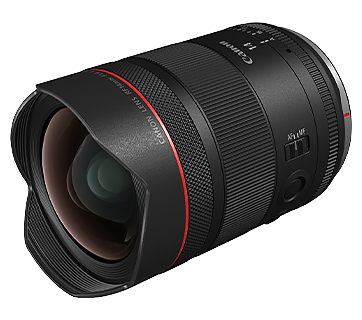
RF 14mm f/1.4L VCM
lens
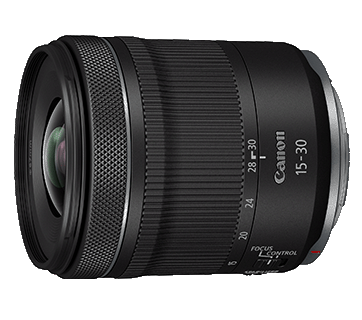
RF 15-30mm f/4.5-6.3 IS STM
lens
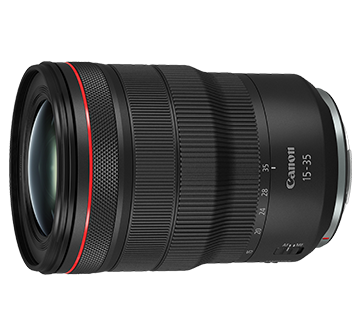
RF 15-35mm f/2.8L IS USM
lens
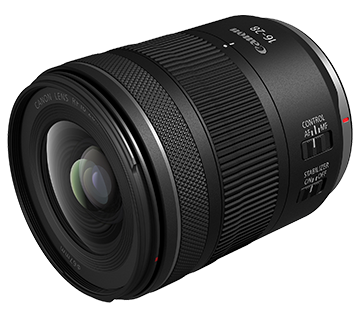
RF 16-28mm f/2.8 IS STM
lens
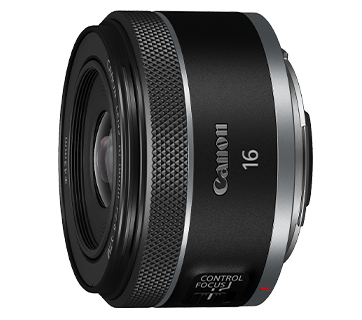
RF 16mm f/2.8 STM
lens
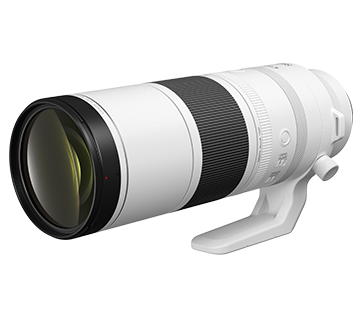
RF 200-800mm f/6.3-9 IS USM
lens
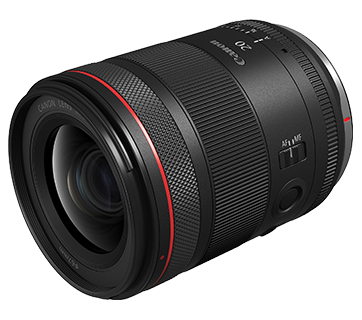
RF 20mm f/1.4L VCM
lens
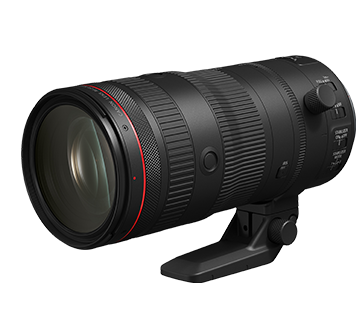
RF 24-105mm f/2.8L IS USM Z
lens
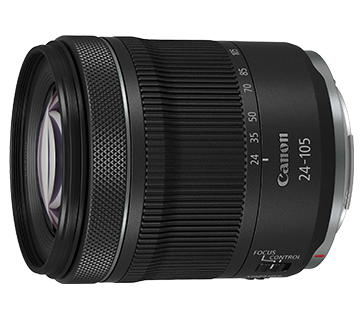
RF 24-105mm f/4-7.1 IS STM
lens
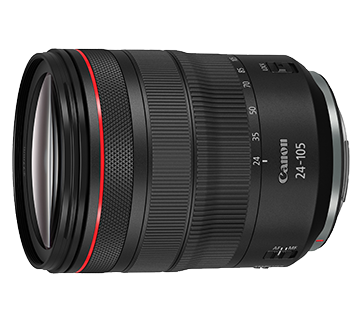
RF 24-105mm f/4L IS USM
lens
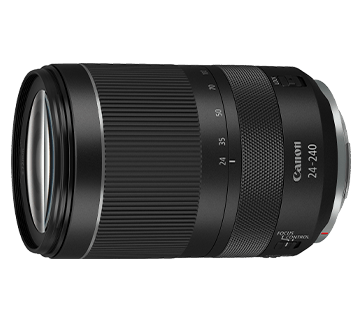
RF 24-240mm f/4-6.3 IS USM
lens
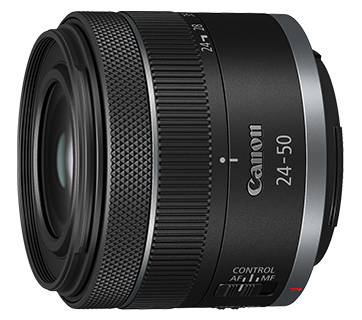
RF 24-50mm f/4.5-6.3 IS STM
lens
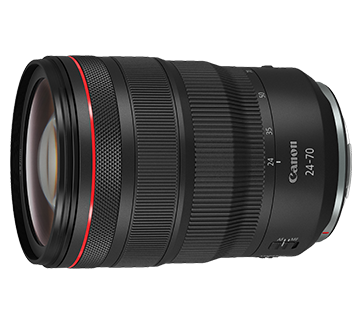
RF 24-70mm f/2.8L IS USM
lens
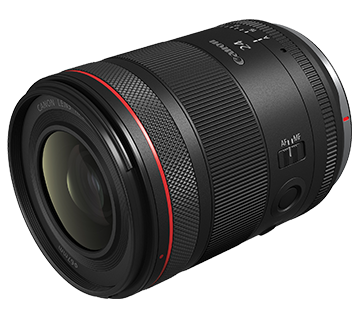
RF 24mm f/1.4L VCM
lens
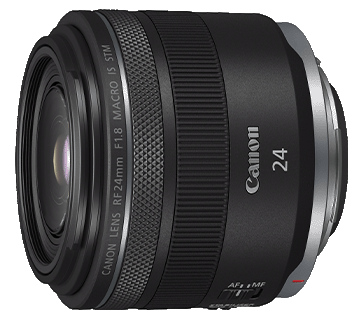
RF 24mm f/1.8 MACRO IS STM
lens

RF 28-70mm f/2.8 IS STM
lens
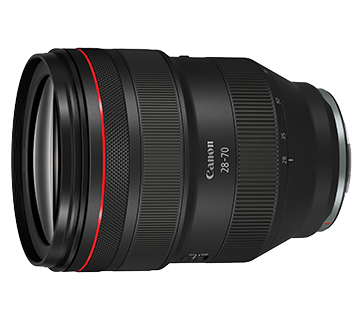
RF 28-70mm f/2L USM
lens
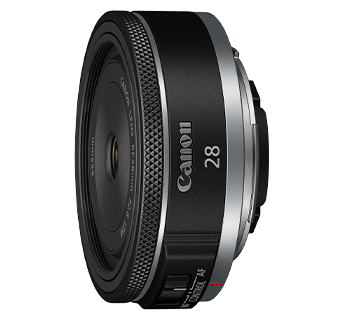
RF 28mm f/2.8 STM
lens

RF 35mm f/1.4L VCM
lens
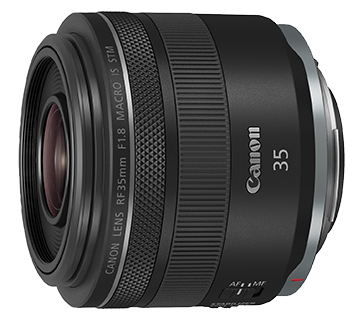
RF 35mm f/1.8 Macro IS STM
lens
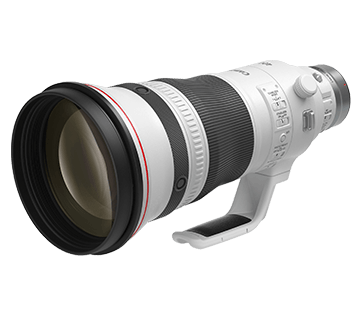
RF 400mm f/2.8L IS USM
lens
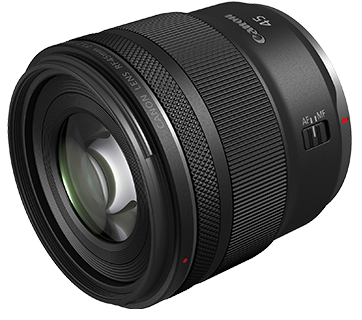
RF 45mm f/1.2 STM
lens
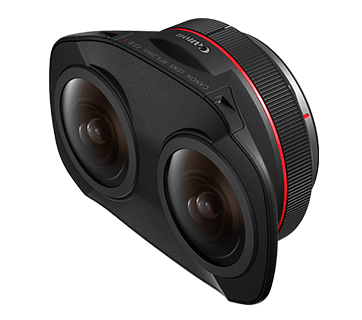
RF 5.2mm f/2.8L Dual Fisheye
lens
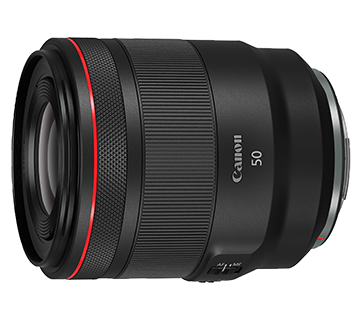
RF 50mm f/1.2L USM
lens
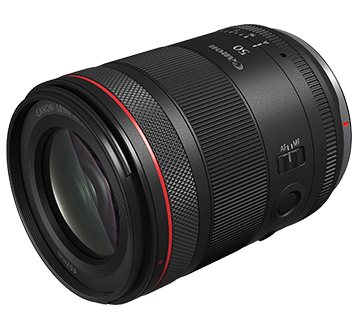
RF 50mm f/1.4L VCM
lens
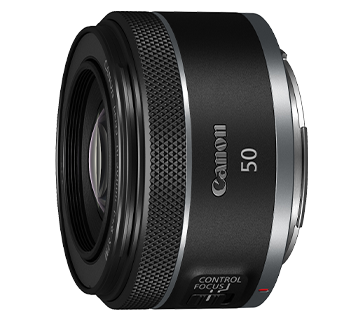
RF 50mm f/1.8 STM
lens
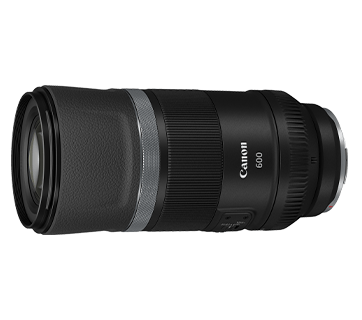
RF 600mm f/11 IS STM
lens
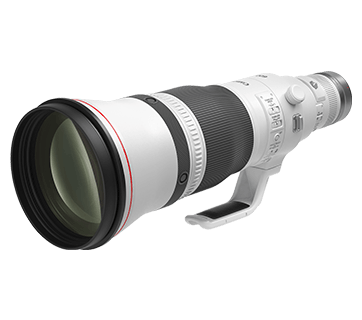
RF 600mm f/4L IS USM
lens
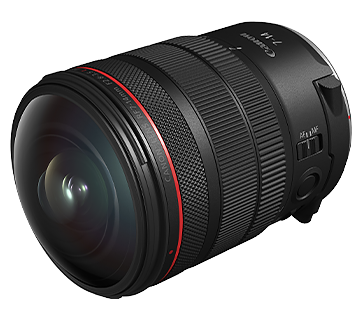
RF 7-14mm f/2.8-3.5L Fisheye STM
lens
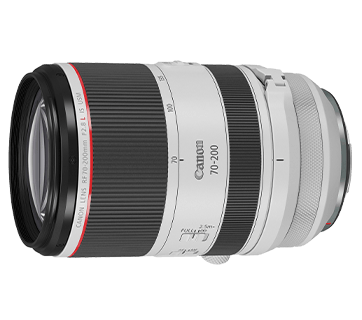
RF 70-200mm f/2.8L IS USM
lens
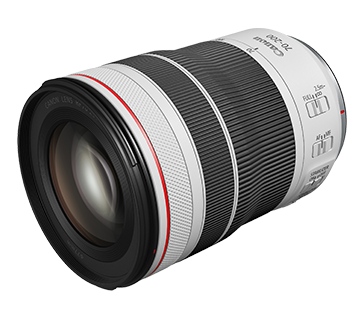
RF 70-200mm f/4L IS USM
lens
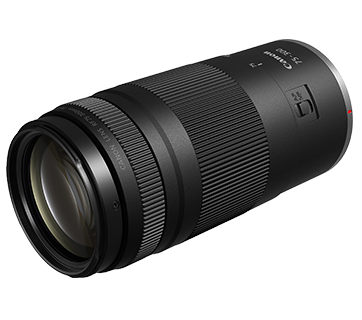
RF 75-300mm f/4-5.6
lens
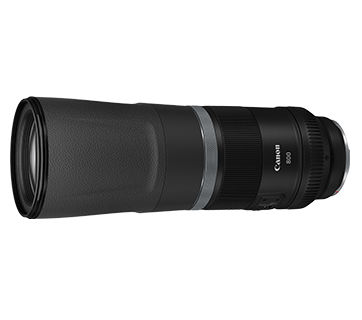
RF 800mm f/11 IS STM
lens
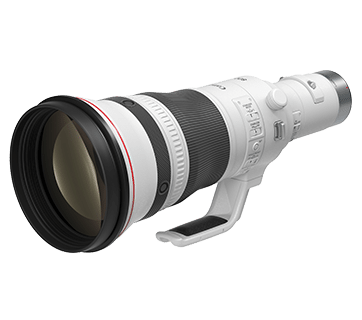
RF 800mm f/5.6L IS USM
lens
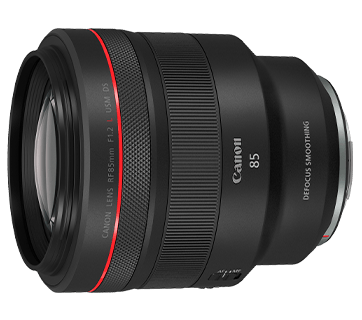
RF 85mm f/1.2L USM DS
lens
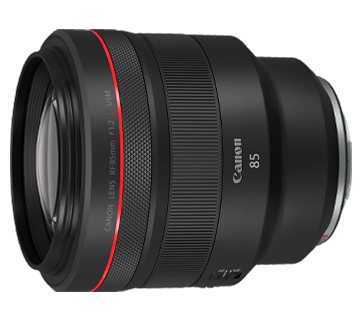
RF 85mm f/1.2L USM
lens
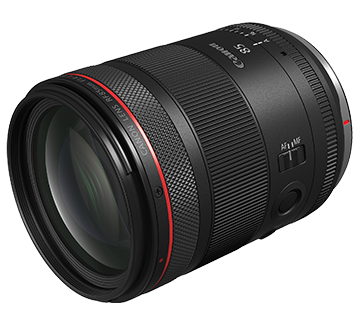
RF 85mm f/1.4L VCM
lens
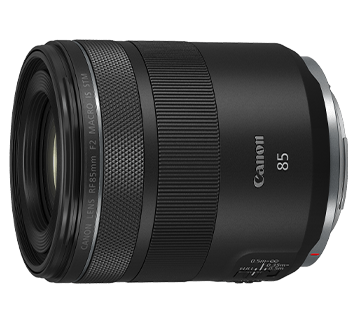
RF 85mm f/2 Macro IS STM
lens
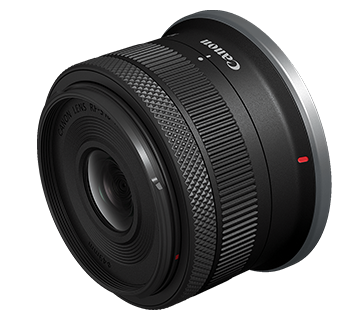
RF-S 10-18mm f/4.5-6.3 IS STM
lens
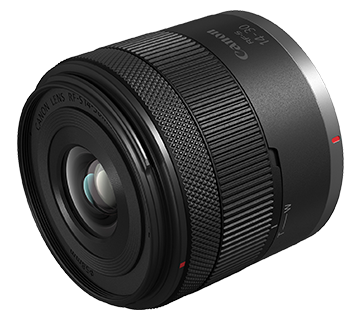
RF-S 14-30mm f/4-6.3 IS STM PZ
lens
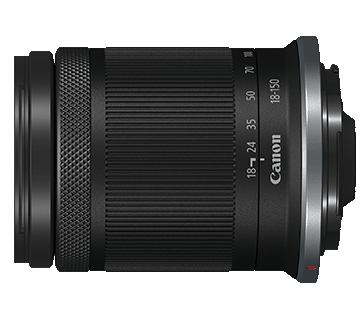
RF-S 18-150mm f/3.5-6.3 IS STM
lens
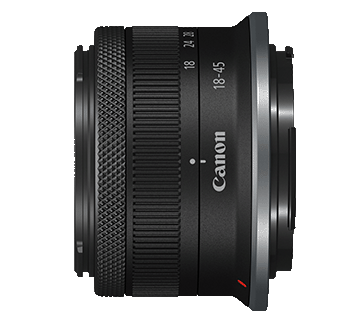
RF-S 18-45mm f/4.5-6.3 IS STM
lens
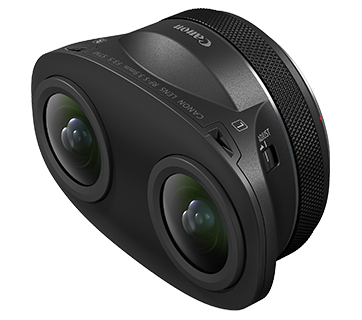
RF-S 3.9mm f/3.5 STM Dual Fisheye
lens
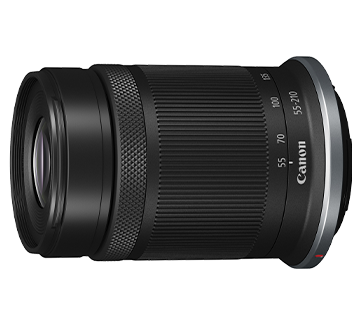
RF-S 55-210mm f/5-7.1 IS STM
lens
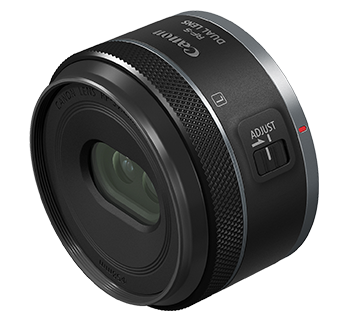
RF-S 7.8mm f/4 STM Dual
lens