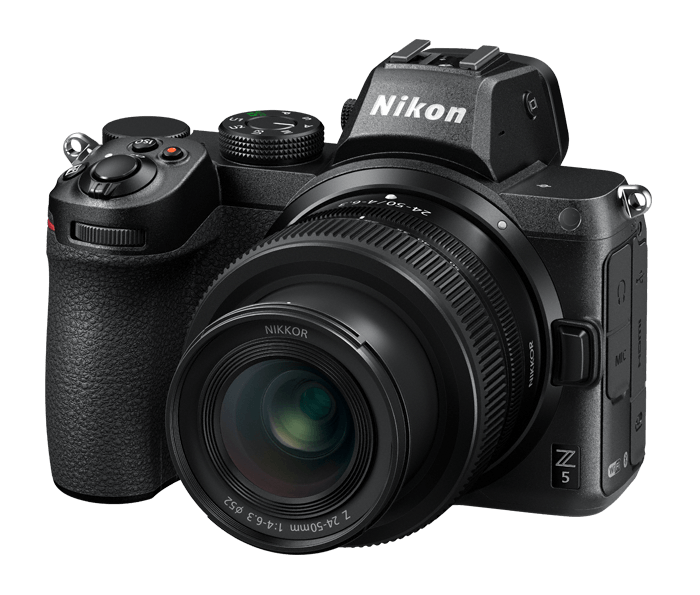

The Nikon Z5 and Sony ZV-E1 are frequently compared by photographers and videographers seeking a full-frame mirrorless camera that suits a range of creative needs. While both models are from respected manufacturers and feature advanced technology, they cater to slightly different audiences. The Nikon Z5 is an affordable entry into the full-frame market, appealing to enthusiasts looking for solid image quality and versatility. On the other hand, the Sony ZV-E1 is targeted towards content creators who prioritize video capabilities and portability without sacrificing performance.
Specifications Comparison
Detailed Comparison
Image Quality
When it comes to image quality, the Nikon Z5 boasts a 24-megapixel full-frame sensor that delivers impressive detail and dynamic range, especially at lower ISO settings. Its ISO range extends up to 51,200, and with low-light performance enhanced by an option to expand to 102,400, the Z5 performs exceptionally well in various lighting conditions. In contrast, the Sony ZV-E1 features a 12-megapixel sensor, which, while offering a broader ISO range from 80 to 102,400 (expandable to 409,600), compromises on resolution. This difference means that the ZV-E1 might produce images with less detail, although it excels in low-light scenarios due to its remarkable high-ISO capability. Overall, for traditional photography, the Nikon Z5 has the upper hand due to its higher resolution sensor.
Autofocus System
The autofocus systems of these two cameras reflect their intended use cases. The Nikon Z5 is equipped with 273 autofocus points, which provide reliable focusing when capturing still images and general video work. However, when compared to the Sony ZV-E1, the Z5 falls short in autofocus technology. The ZV-E1 features an advanced 759-point hybrid autofocus system that excels in tracking moving subjects and is tailored for vlogging and dynamic video content. With features like Real-Time Eye Autofocus for both humans and animals, the ZV-E1 ensures that users maintain sharp focus in challenging situations. For dedicated videographers, the superior autofocus capabilities of the ZV-E1 are clearly advantageous.
Video Capabilities
In terms of video capabilities, the Sony ZV-E1 edges out the Nikon Z5 significantly. The ZV-E1 allows users to record 4K video at 60 frames per second compared to the Z5's maximum of 30 frames per second at 4K resolution. This makes the ZV-E1 a better option for videographers who wish to capture fast action or high frame rate scenarios. Additionally, the ZV-E1 includes advanced video options, including features specifically designed for content creators, such as a dedicated 'Product Showcase' mode, while the Z5's video features are relatively basic in comparison. Thus, for video performance, especially for online videography, the ZV-E1 is the winner here.
Build & Ergonomics
The build quality of both the Nikon Z5 and Sony ZV-E1 is commendable, featuring weather sealing that provides protection against the elements. The Z5, weighing in at 675 grams, offers a larger grip and a traditional DSLR-style design, which is more comfortable for extended use, especially for photographers. Its dimensions (134 x 101 x 70 mm) also make it a viable option for those looking for a solid and robust camera. Conversely, the ZV-E1 is smaller and lighter at 483 grams, with dimensions of 121 x 72 x 54 mm, catering to vloggers and creators who need a portable option. While the ZV-E1 is more compact, the Z5's rugged build may appeal more to serious photographers who appreciate a solid grip.
Battery & Storage
Battery life differs notably between these two cameras. The Nikon Z5 is rated for approximately 470 shots per charge, which can be a factor for photographers working on longer sessions without access to power. In contrast, the Sony ZV-E1 offers a slightly better battery life, with a rating of around 570 shots. This added longevity can be beneficial for content creators who may be recording extended video sessions or need additional reliability. In terms of storage, both cameras utilize SD cards, but the ZV-E1's superior efficiency and capability make it suitable for high-bitrate video formats. In this respect, the ZV-E1 provides better battery performance, giving it the edge.
Value for Money
Pricing plays a crucial role in determining value for money, particularly for budget-conscious buyers. The Nikon Z5 is priced at $1,399, positioning it as a more accessible option for those entering the full-frame realm. With its impressive image quality and sturdy build, it offers excellent value for still shooters. On the other hand, the Sony ZV-E1 retails for approximately $2,200, which, while it brings advanced video features and a compact design, may not justify the price for casual users or those primarily interested in still photography. As such, the Nikon Z5 stands out as the better option for those prioritizing value, particularly if video features are not a main concern.
Our Verdict
In summary, while the Nikon Z5 excels in image quality and overall value for still photography, the Sony ZV-E1 shines in video capabilities and autofocus performance. The Z5 is ideal for photographers seeking a robust camera that delivers high-resolution images, whereas the ZV-E1 caters to content creators who need advanced video features and portability. Ultimately, the best choice depends on the user's specific needs-whether prioritizing stills or video-making either camera a solid option within its specialization.
Nikon Z5
Sony ZV-E1
Also Compare
Frequently Asked Questions
Is the Nikon Z5 better for photography than the Sony ZV-E1?
Yes, the Nikon Z5 offers higher megapixels and superior image quality for photography, making it a better choice for photographers focused on capturing still images.
Can the Sony ZV-E1 handle low-light situations better than the Nikon Z5?
While both cameras perform well in low light, the Sony ZV-E1's sensor and high ISO capabilities can provide better results in extremely low-light conditions.
Which camera has better autofocus for video?
The Sony ZV-E1 has a far superior autofocus system for video, with more points and advanced tracking features tailored for vlogging and dynamic content creation.
Which camera is more portable?
The Sony ZV-E1 is more compact and lighter than the Nikon Z5, making it easier to carry around, especially for vloggers or content creators on the move.
What is the price difference between the two cameras?
The Nikon Z5 is priced at $1,399, while the Sony ZV-E1 costs around $2,200, making the Z5 a more budget-friendly option for those focused on photography.