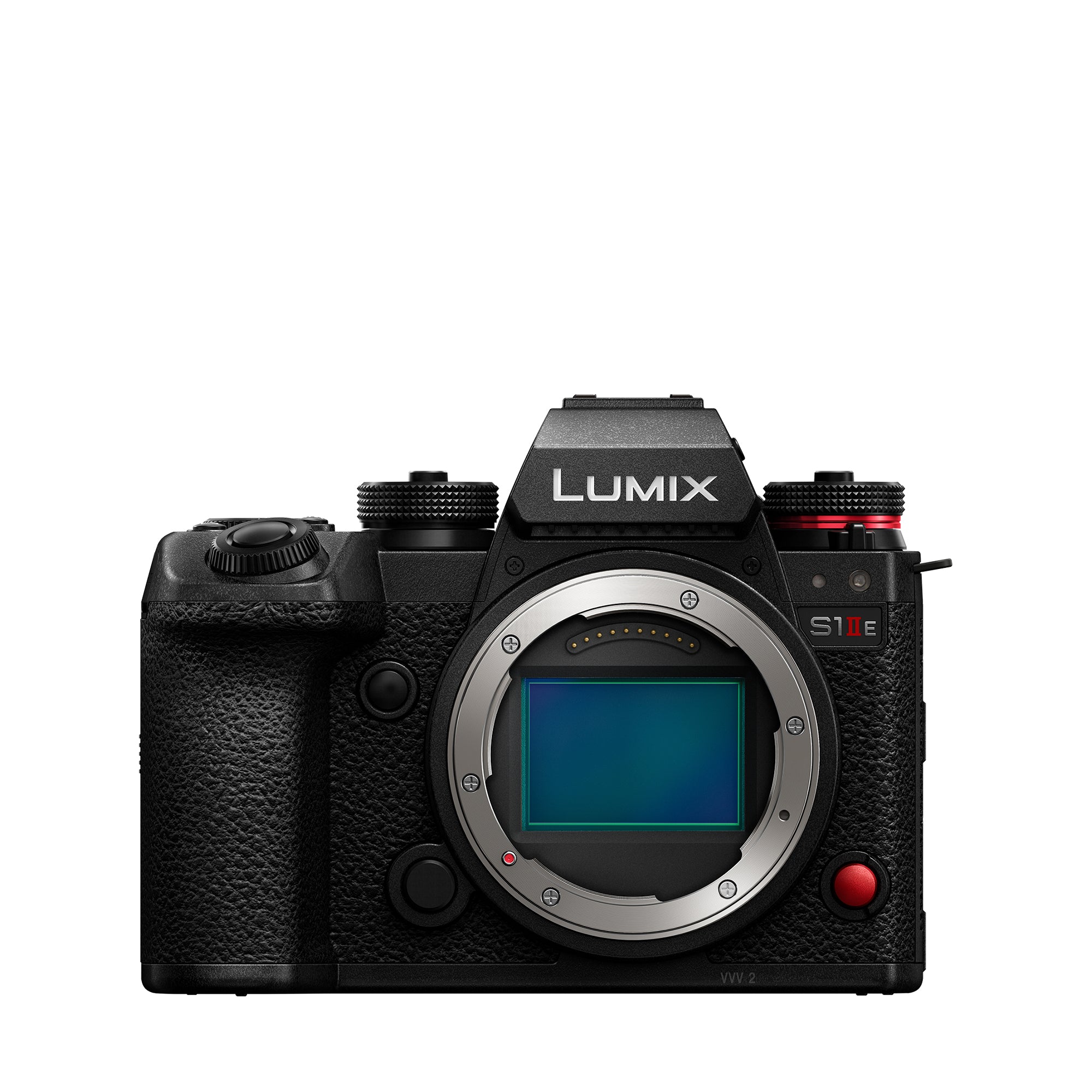
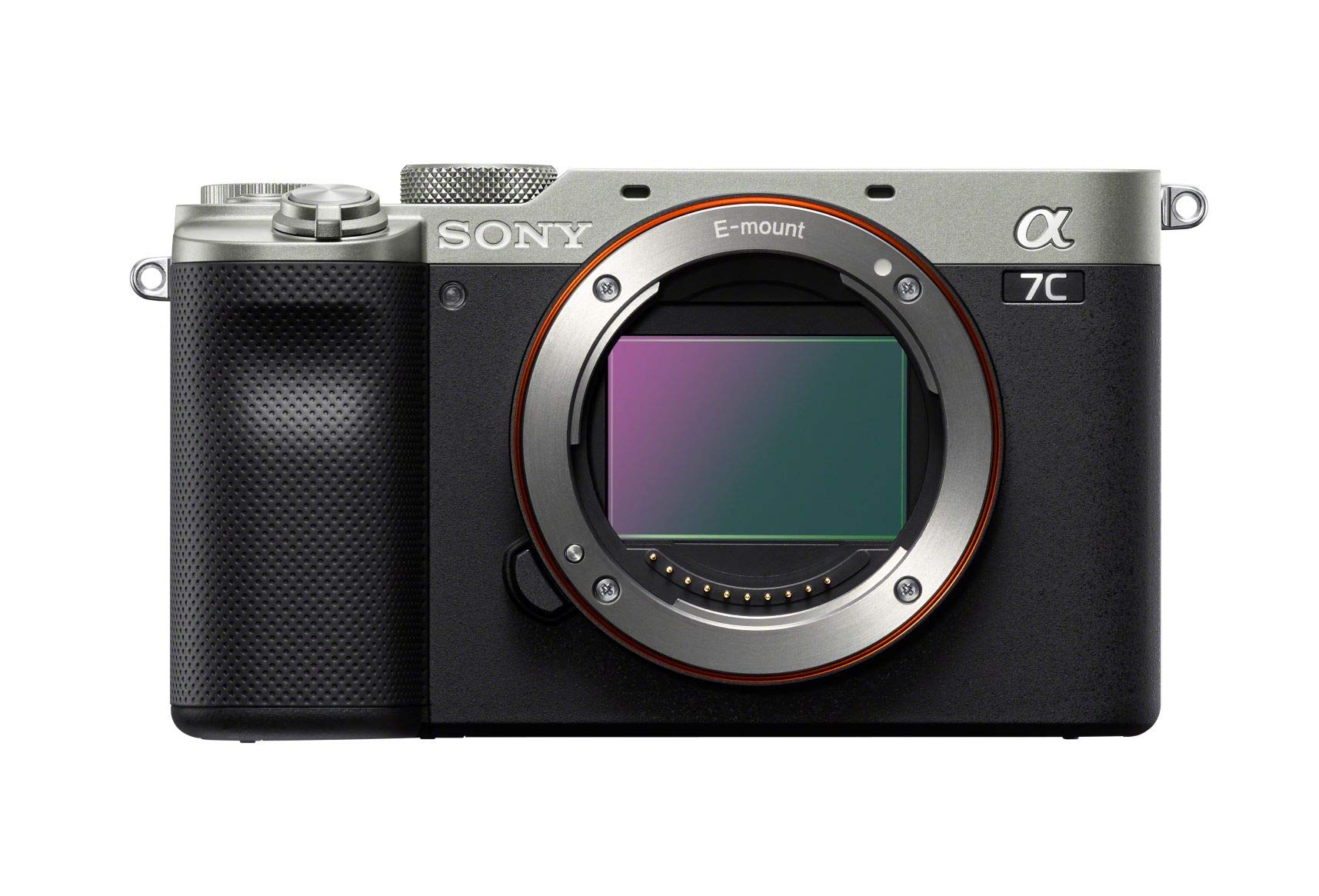
The Panasonic S1 II E and the Sony A7C are two compelling options in the full-frame mirrorless camera market, attracting both enthusiasts and professional photographers. While they offer similar sensor sizes and megapixel counts, potential buyers may find themselves weighing different features like video capabilities, autofocus systems, and overall usability. The S1 II E is particularly noted for its advanced video specifications, while the A7C attracts users with its compact design and impressive autofocus performance.
Specifications Comparison
Detailed Comparison
Image Quality
Both cameras feature full-frame sensors with comparable resolution, with the Panasonic S1 II E offering 24.1 megapixels against the Sony A7C's 24 megapixels. In terms of image quality, both models perform well, delivering sharp images with great detail. However, the S1 II E has a slight edge in low-light photography due to its superior ISO range capabilities and image processing. The S1 II E uses advanced sensor technology that can produce more dynamic range in shadows and highlights, making it a better choice for dramatic lighting conditions. Meanwhile, the A7C's ISO performance is reliable, providing acceptable results up to ISO 51200, with expansion available, giving flexibility when needed. Nonetheless, in typical photography scenarios, both deliver stunning imagery with good color accuracy and detail.
Autofocus System
The autofocus system is where the Sony A7C shines, featuring a robust 693-point phase detection system that ensures fast and precise focusing in a variety of lighting conditions. It excels in tracking moving subjects, which is particularly valuable for sports or wildlife photographers. The S1 II E, while it has a capable autofocus system, does not match the sheer number of points found in the A7C, which can be a disadvantage in high-activity shooting environments. However, the A7C's autofocus performance may sometimes struggle in lower light compared to the S1 II E. Thus, for photographers prioritizing focus accuracy and speed, the A7C may be the better choice overall.
Video Capabilities
When it comes to video, the Panasonic S1 II E excels with the ability to shoot in various resolutions including 5.9K/60p, 5.1K/60p, and 4K up to 120fps. This flexibility is fantastic for filmmakers who need high-quality footage and the option for slow-motion recording. Additionally, the camera supports advanced video features such as V-Log recording, providing filmmakers with extensive post-production flexibility. On the other hand, the Sony A7C is limited to 4K 30p recording, which may suffice for casual users but falls short for professional video applications. If videography is a priority, the S1 II E's offerings are significantly more compelling.
Build & Ergonomics
The build quality of the Sony A7C is impressive, featuring a compact design and lightweight structure, making it highly portable and suitable for travel. Its dimensions of 124 x 71 x 60 mm (4.88 x 2.8 x 2.36") and weight of 509g enhance its usability for lengthy shoots. The camera is also weather-sealed, making it more resilient to environmental factors. Conversely, the S1 II E, while more substantial in terms of weight and size, offers a robust grip that some users find preferable during extended shooting sessions. It also has a more extensive range of buttons and dials for quick adjustments. Ultimately, the choice between portability and a more solid grip comes down to personal preference.
Battery & Storage
The Sony A7C boasts a commendable battery life, offering approximately 740 shots on a single charge, making it ideal for long outings without the worry of running out of power. This can provide great practical advantages for wedding and event photographers who need their cameras ready throughout the day. In contrast, battery performance specifics for the S1 II E are not disclosed, but users can expect decent longevity. The A7C also supports dual card slots for backup and extended storage, while the S1 II E supports a single card arrangement. In this section, the A7C clearly provides superior battery performance and storage options for users who prioritize longevity.
Value for Money
At a price point of $1799, the Sony A7C positions itself as an attractive entry-level full-frame option, especially given its lightweight design and solid performance for stills and videos. The Panasonic S1 II E, still being a formidable competitor, justifies its premium by offering superior video capabilities and features desirable to advanced videographers, but its pricing might be higher depending on configurations and dealer pricing. For casual photographers or those focused on video, the S1 II E represents a strong value proposition considering its extensive feature set. Overall, the A7C may cater better to budget-conscious users seeking as much versatility and performance as possible.
Lens Ecosystem
The lens ecosystem can play a crucial role for photographers. Sony benefits from an extensive library of native lenses available for the E-mount, covering a wide array of photography needs from portraiture to wide-angle landscapes and specialized options. This broad selection makes it easier for users to find the right glass without using adapters. On the other hand, Panasonic's lens ecosystem for the L-Mount continues to grow, but it may not yet match the depth and breadth of options available to Sony users. However, the L-Mount alliance has expanded compatibility with Leica and Sigma lenses, which can serve as healthy alternatives. Thus, while both systems have their advantages, the breadth and maturity of the Sony lens lineup provide an advantage for those looking to build their lens collection quickly.
Our Verdict
In conclusion, while both the Panasonic S1 II E and Sony A7C are commendable full-frame cameras that cater to different types of photographers, the S1 II E edges out as the overall winner, particularly for videographers thanks to its superior video capabilities and versatility. Those who prioritize autofocus performance and compact design may find the A7C more suited for their needs, especially in fast-paced shooting situations or when traveling where weight is a deciding factor. The choice ultimately hinges on what features matter most for your photography or videography style.
Panasonic S1 II E
Sony A7C
Also Compare
Frequently Asked Questions
Which camera is better for videography?
The Panasonic S1 II E is better for videography as it supports higher resolutions and frame rates, including 5.9K recording, while the Sony A7C limits users to 4K 30p.
Does the Sony A7C have better autofocus?
Yes, the A7C features a more advanced 693-point autofocus system, which can outperform the S1 II E, particularly in capturing fast-moving subjects.
Which camera has a longer battery life?
The Sony A7C offers better battery life with approximately 740 shots per charge, making it suitable for long shooting sessions without frequent recharging.
Is the Panasonic S1 II E heavier than the Sony A7C?
Yes, the S1 II E is generally heavier and bulkier compared to the compact design of the A7C, which may influence portability.
What is the price difference between the two cameras?
The Sony A7C is priced at around $1799, whereas the Panasonic S1 II E may vary in pricing, often higher due to its advanced video capabilities.