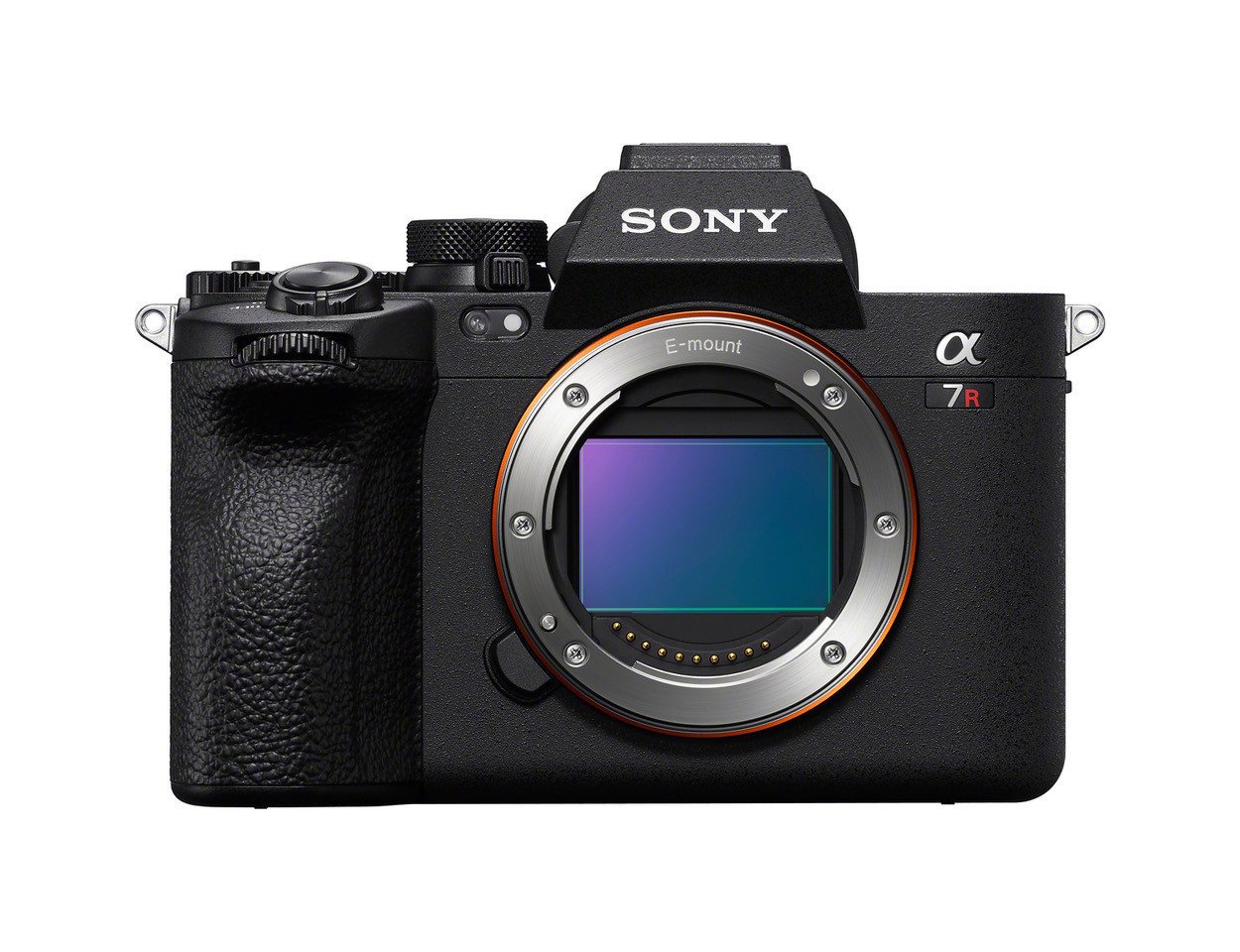

The Sony A7R V and the Sony ZV-E1 are two high-quality cameras from Sony's extensive mirrorless lineup, targeted at different groups of photographers and videographers. The A7R V, released in 2022, is designed for professionals who demand the utmost in image quality and resolution, boasting a 60-megapixel full-frame sensor, making it ideal for high-resolution photography and detail-oriented work. On the other hand, the ZV-E1, a recent addition from 2023, targets content creators and vloggers, featuring a more compact and lightweight design with a simpler user interface. This comparison will help potential buyers glean insights into which camera may best suit their specific needs based on key differentiators such as image quality, video capabilities, and overall ergonomics.
Key differences include the A7R V's impressive resolution and extensive autofocus capabilities compared to the ZV-E1's lightweight form and user-focused features. The A7R V excels in professional-level photography while the ZV-E1 appeals to those who prioritize ease of use and portability for video content creation. Thus, potential users must weigh these factors carefully to make a well-informed choice between the two.
Specifications Comparison
Detailed Comparison
Image Quality
When it comes to image quality, the Sony A7R V stands out significantly due to its 60-megapixel full-frame sensor, which produces exceptionally detailed images suitable for large prints and professional editing. This high resolution is especially beneficial for landscape photographers and those needing to crop images without sacrificing detail. The A7R V also offers an impressive ISO range from 100 to 32000, expandable to 50-102400, ensuring excellent performance in low-light situations.
In contrast, the Sony ZV-E1 features a 12-megapixel full-frame sensor, which, while still capable of capturing good images, does not match the A7R V in terms of resolution. The ZV-E1 has a broader ISO range from 80 to 102400 (expandable to 40-409600), which may benefit videographers shooting in extreme low-light conditions. However, the lower resolution may not provide the same level of detail for still photography.
Ultimately, while both cameras deliver impressive image quality, the A7R V's higher resolution gives it a distinct edge for professional photography, whereas the ZV-E1 caters more to users who prioritize video over still image capture.
Autofocus System
The autofocus system is a crucial aspect for both photography and videography. The Sony A7R V features a highly advanced autofocus system with 693 phase-detection points, allowing for quick and accurate focusing even in challenging conditions. This is particularly advantageous for portrait, wildlife, and action photography where capturing fleeting moments is key. The A7R V's autofocus system is also enhanced by Real-time Eye Autofocus for both humans and animals, ensuring sharp focus on subjects.
On the other hand, the ZV-E1's autofocus system is impressive in its own right, boasting 759 phase-detection points, which offers excellent subject tracking capabilities suitable for vlogging and content creation. This system is optimized for video, providing smooth transitions between subjects, which is essential for continuous shooting in dynamic environments.
While both systems excel, the A7R V's autofocus is specifically tailored for diverse photography styles and offers better performance for stills. However, the ZV-E1's autofocus is more tailored towards video users, making it user-friendly for vlogging.
Video Capabilities
Both the Sony A7R V and the ZV-E1 can shoot high-quality 4K video at 60 frames per second, catering to a wide range of videography needs. However, the ZV-E1 is designed with content creators in mind, incorporating features like a fully articulated screen, optimized audio settings, and user-friendly interfaces tailored for vlogging. These dedicated functionalities make it a compelling choice for those primarily focused on video.
In contrast, while the A7R V is certainly capable of delivering stunning video, it is primarily a photography-first camera, which may not provide the same ease of use for vloggers. The lack of a dedicated video-focused design might limit its appeal compared to the ZV-E1 for video-centric users.
Overall, for dedicated videographers or vloggers, the ZV-E1's additional video-centric features position it as a stronger option, while the A7R V excels in mixed-use scenarios where high-quality video is desired in tandem with still photography.
Build & Ergonomics
When assessing build quality, both cameras boast weather-sealed bodies, making them reliable options for outdoor shooting. The A7R V, weighing 723 grams and measuring 131 x 97 x 82 mm, provides a solid, professional feel that many photographers appreciate. Its larger grip accommodates long shooting sessions, particularly for stills photography, ensuring comfort and ease of handling.
Meanwhile, the ZV-E1, while still robust, is significantly lighter at 483 grams and smaller in size (121 x 72 x 54 mm). This compact form factor makes it ideal for casual shooters and content creators who value portability. However, some may find its ergonomics less comfortable for prolonged photography sessions compared to the A7R V.
Ultimately, your choice may depend on your shooting style and whether you prioritize a more professional setup with the A7R V or a lighter, more portable option with the ZV-E1 for everyday use and vlogging.
Battery & Storage
Battery life plays an essential role for photographers and videographers alike. The Sony A7R V delivers a battery life of approximately 530 shots per charge, which is respectable for a full-frame camera, especially when considering its high-resolution capabilities and feature-rich design. It also supports dual card slots, offering ample storage options for extended shooting sessions, enabling photographers to capture high-resolution images or 4K video without worrying about storage limits.
Conversely, the ZV-E1 boasts an even longer battery life, rated for around 570 shots. This makes it an excellent option for content creators who might shoot extended video segments. However, it has only one card slot, which can limit the storage options for users shooting high data-rate video.
In terms of battery performance, the ZV-E1 edges slightly ahead for video users, while the A7R V's dual card slots provide critical advantages for high-resolution photography, especially for professionals who require redundancy in their workflow.
Value for Money
The price difference between the two models is significant, with the Sony A7R V priced at $3900 and the ZV-E1 at $2200. For dedicated photographers and professionals requiring top-tier specifications, the A7R V's price may be justified due to its high resolution, robust autofocus system, and dual card slots. This camera can meet the demanding requirements of professional work, making it a worthy investment for serious photographers.
Conversely, the ZV-E1 presents exceptional value for content creators and vloggers who need a high-quality video camera but may not require the extensive specs of the A7R V. Its competitive pricing combined with user-friendly video-centric features positions it as a cost-effective solution for those entering or actively participating in video content creation.
Overall, while the A7R V offers premium features aligning with its price, the ZV-E1 provides commendable value without compromising the essential quality that content creators need.
Our Verdict
In conclusion, the Sony A7R V emerges as the overall winner in this comparison due to its superior image quality, advanced autofocus system, and robust build quality. It is ideal for professional photographers and enthusiasts demanding high levels of detail and versatility. However, for vloggers and content creators, the ZV-E1 shines in ergonomics and value, making it a strong contender for those primarily focused on video work. Ultimately, the best choice depends on individual usage scenarios; if the highest image quality and photographer-centric features are paramount, the A7R V is the recommended option. Conversely, if a lightweight, video-oriented camera with great value is preferred, the ZV-E1 will not disappoint.
Sony A7R V
Sony ZV-E1
Also Compare
Frequently Asked Questions
Which camera is better for professional photography?
The Sony A7R V is better for professional photography due to its 60-megapixel sensor and advanced autofocus capabilities.
Is the ZV-E1 suitable for vlogging?
Yes, the ZV-E1 is specifically designed for vlogging, with features like a fully articulated screen and optimized audio settings.
How do the video capabilities compare between the two cameras?
Both can shoot 4K at 60p, but the ZV-E1 offers more video-centric features, making it more user-friendly for videographers.
Which camera has better battery life?
The Sony ZV-E1 has better battery life, rated for approximately 570 shots compared to the A7R V's 530 shots.
What is the price difference between the two cameras?
The Sony A7R V is priced at $3900, while the Sony ZV-E1 is available at $2200, making the ZV-E1 more affordable for casual users.
Can the lenses used on both cameras be interchanged?
Yes, both the A7R V and ZV-E1 use the Sony E mount, allowing for compatibility with the same lenses.